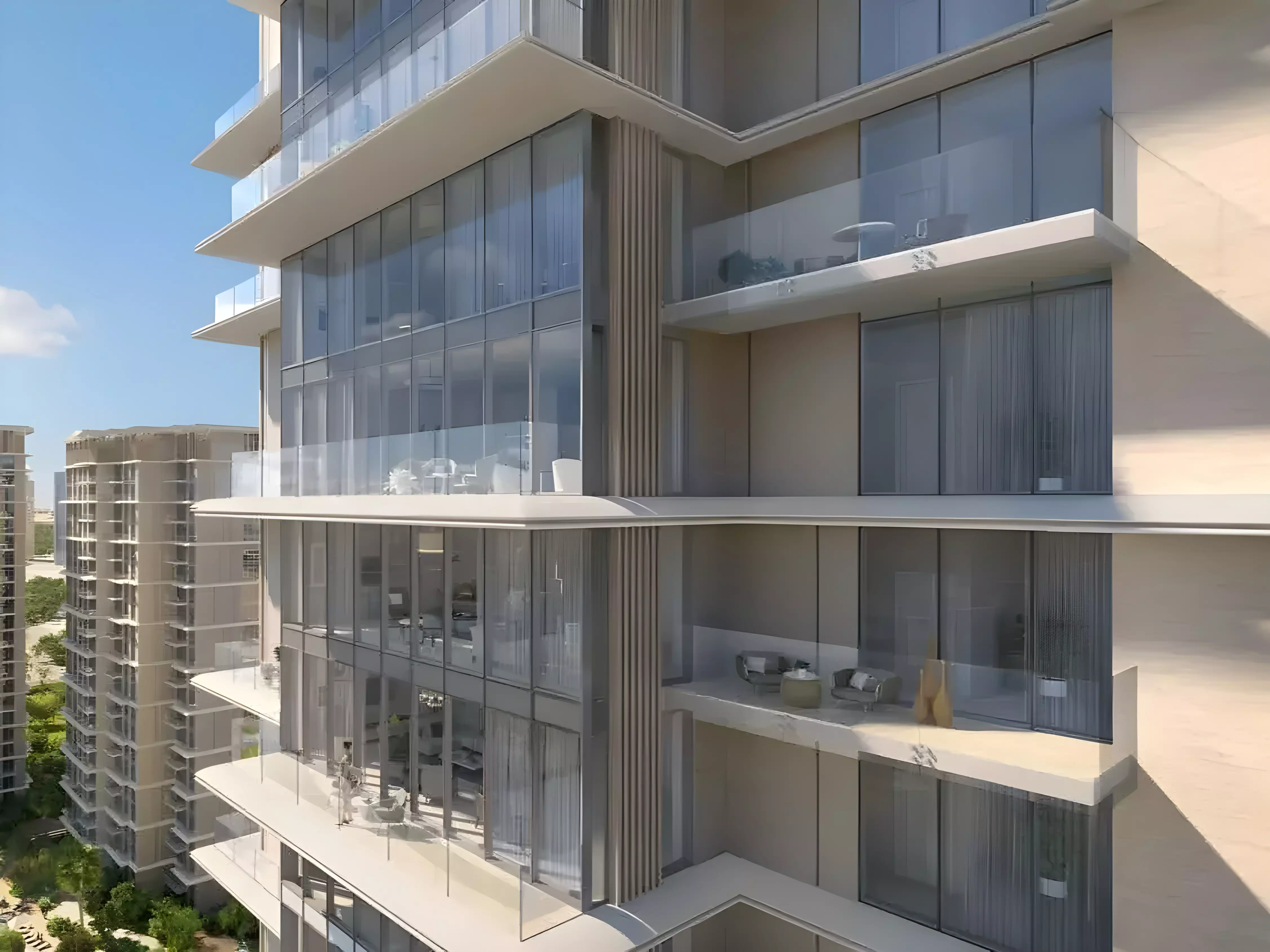
East Residence 5 at Serenia District: What Buyers Need to Know
Palma Development and the Serenia District Story
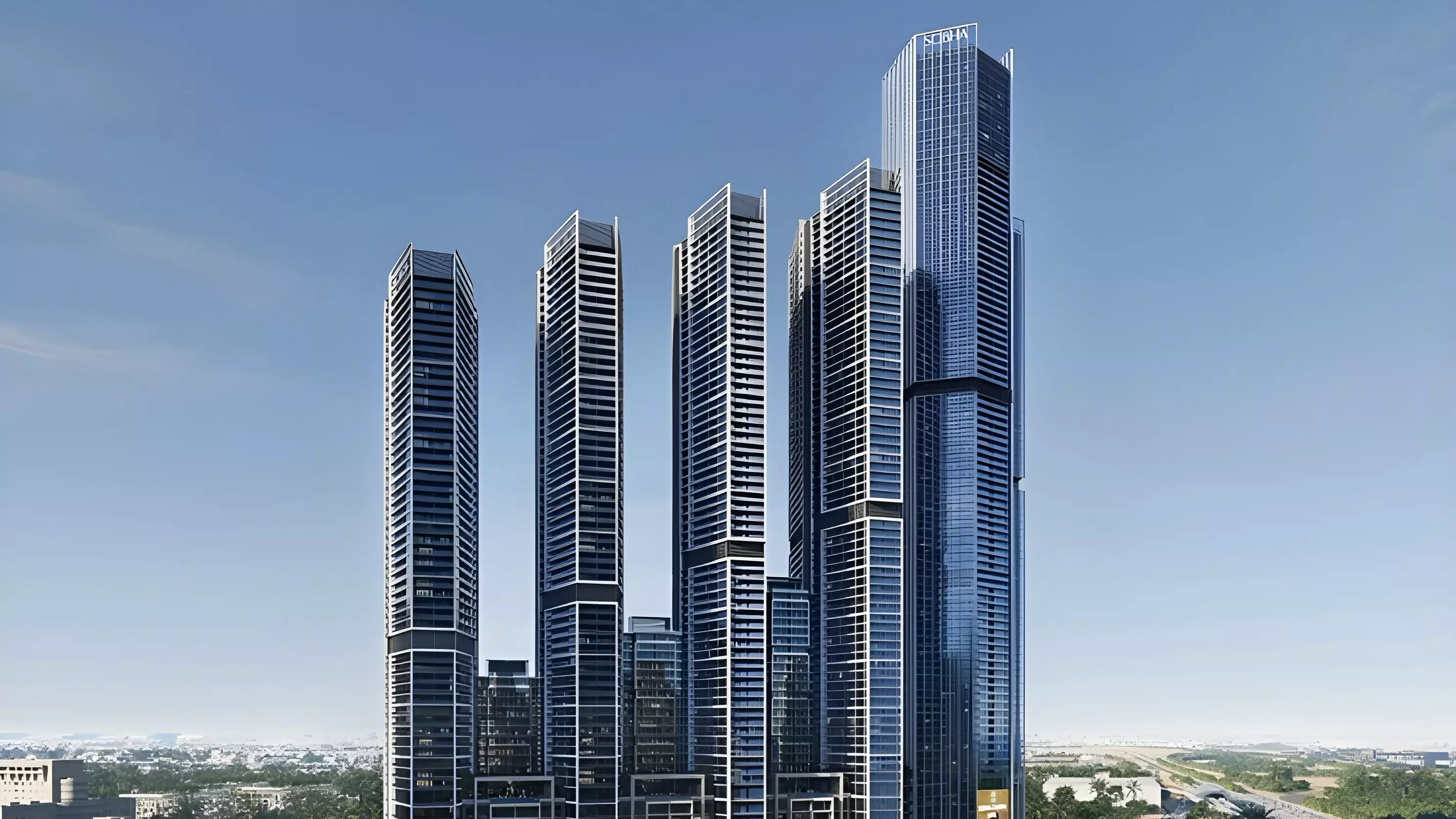
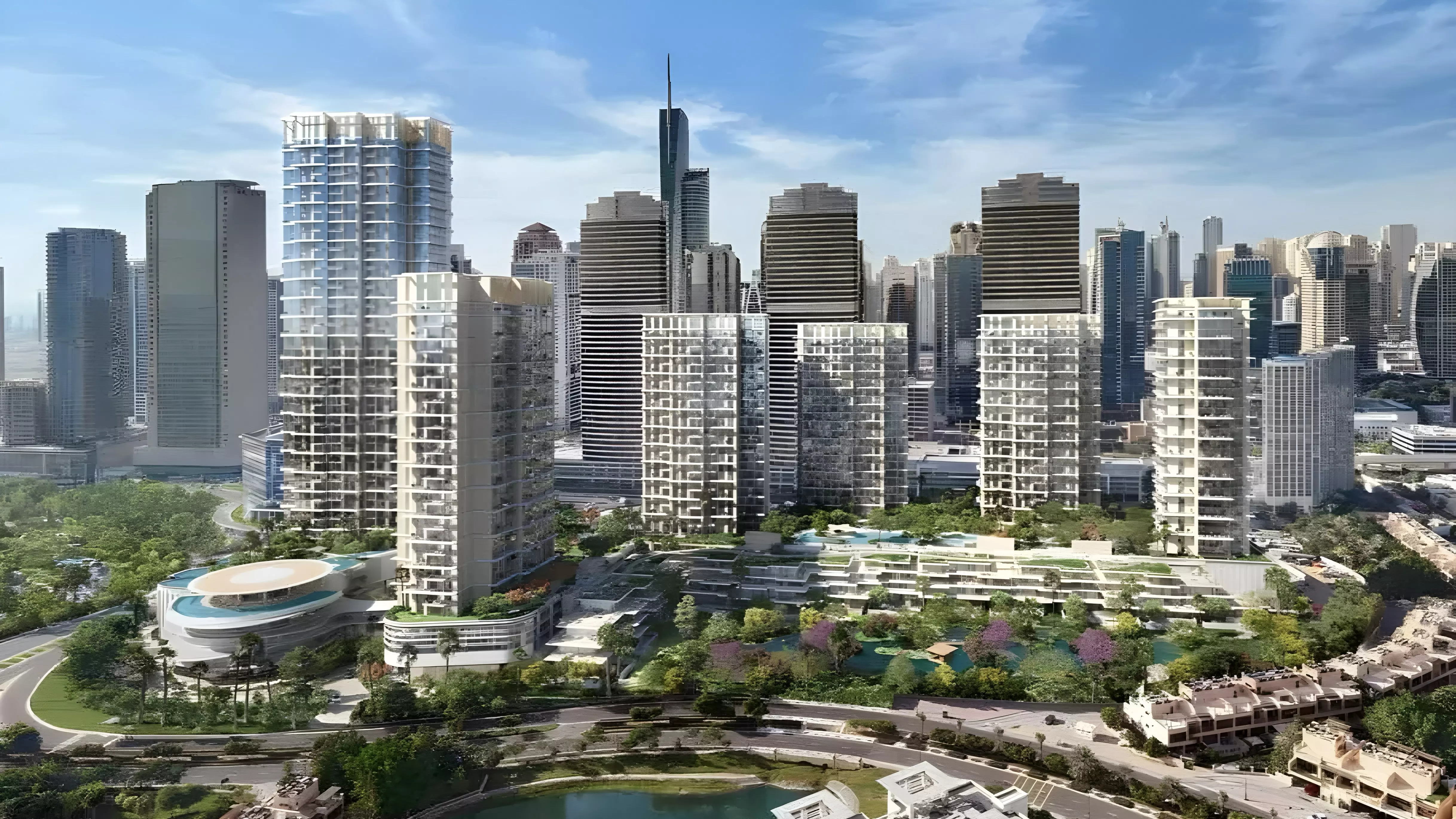
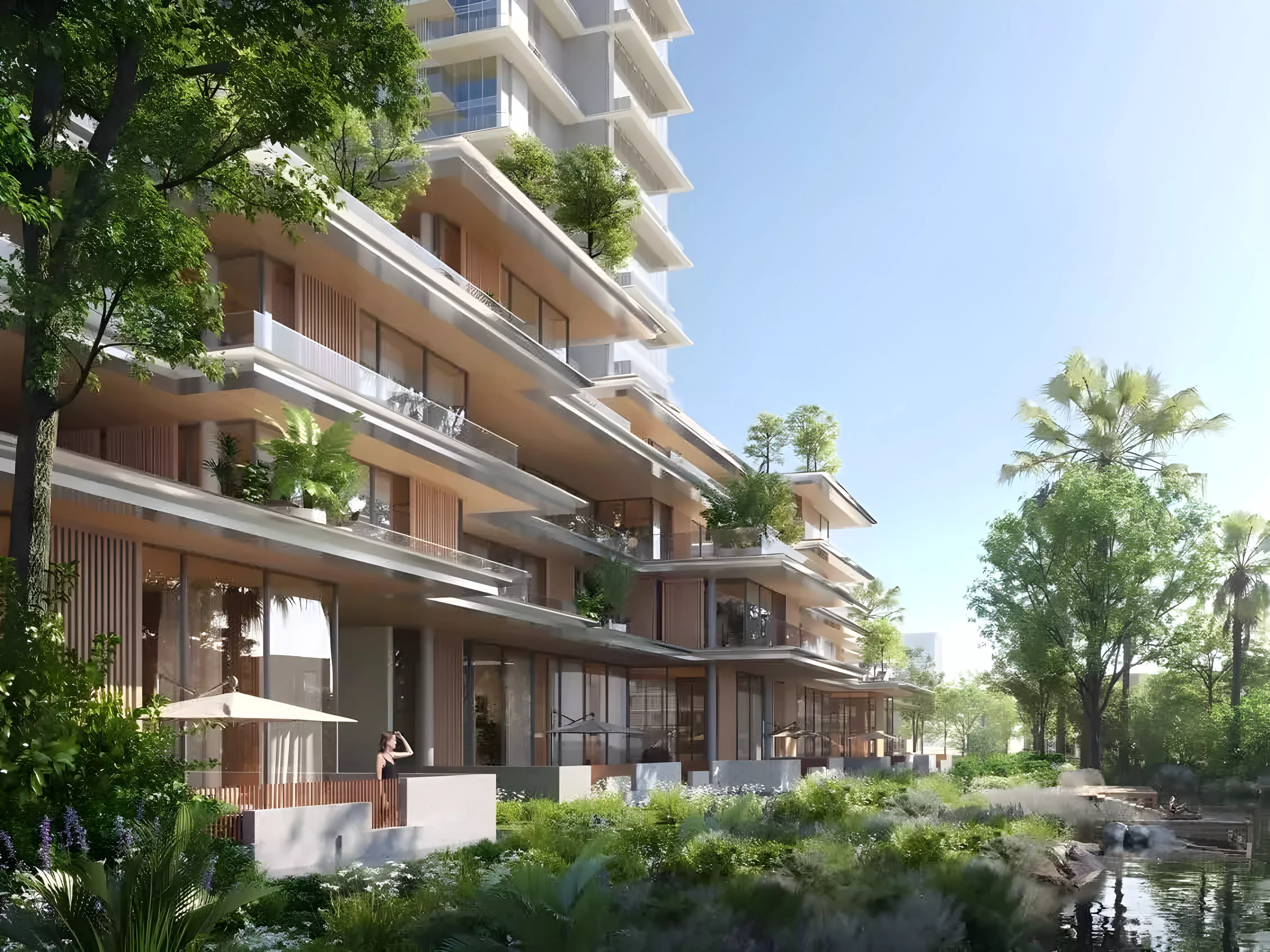
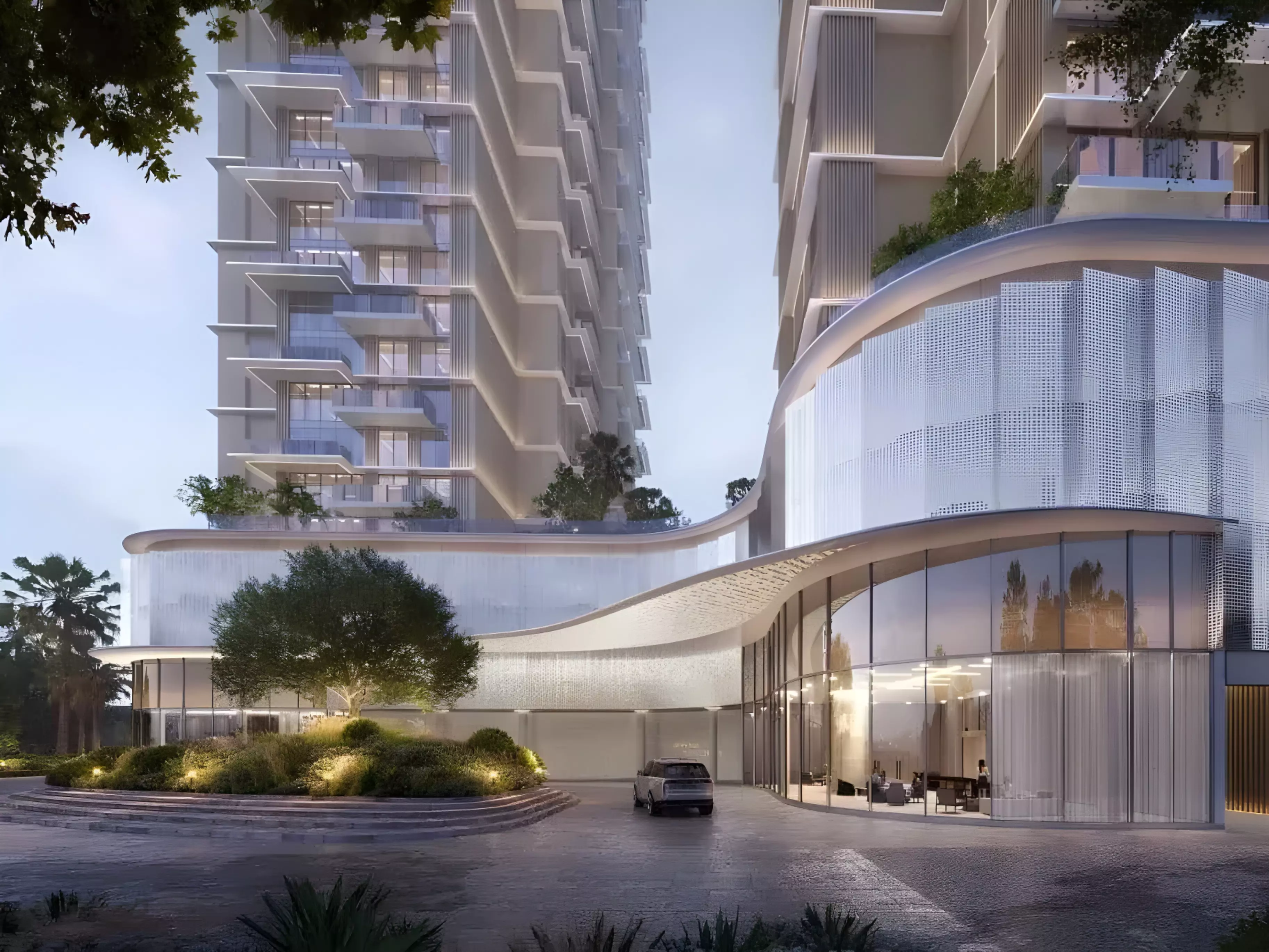
Palma Development has been building within the Serenia District for several years, and East Residence 5 is the latest addition to that ongoing master community. This is not a standalone tower dropped into an unfamiliar neighbourhood. It sits within a developer-led district that already has an established identity, which matters both for daily liveability and for resale confidence. Buying into a named district with a track record is a different proposition from buying into an isolated project.
Jumeirah Islands: What the Address Actually Means
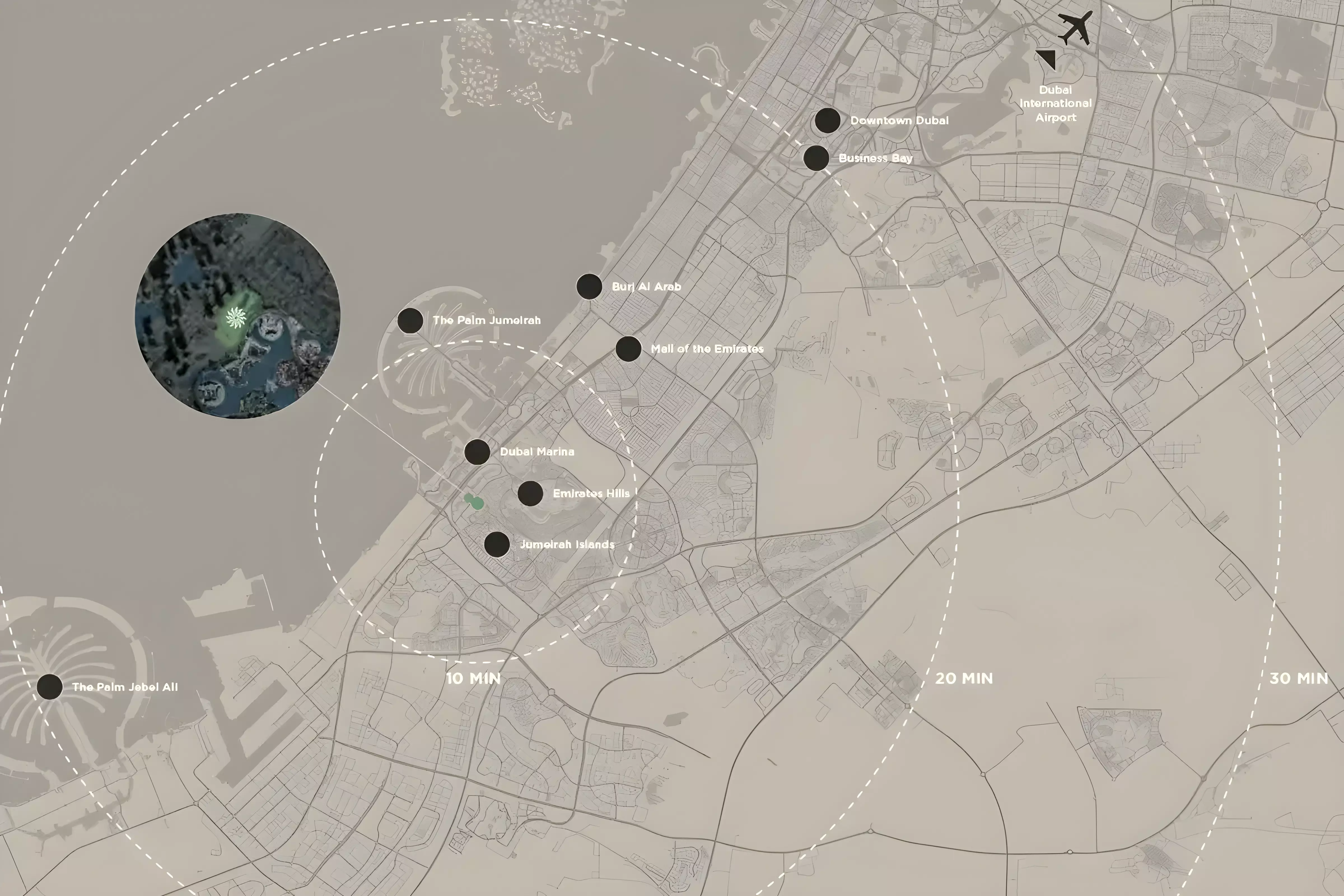
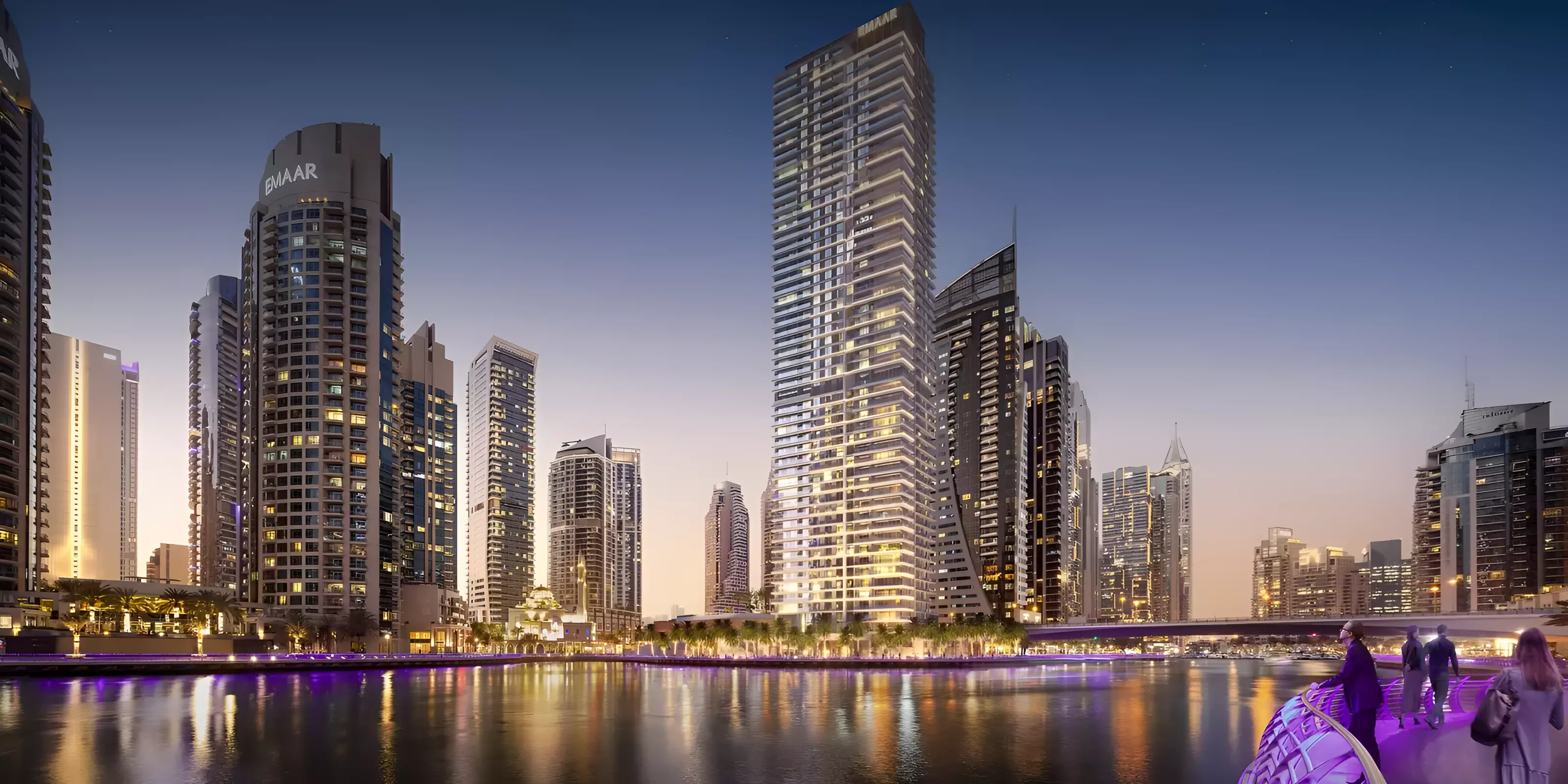
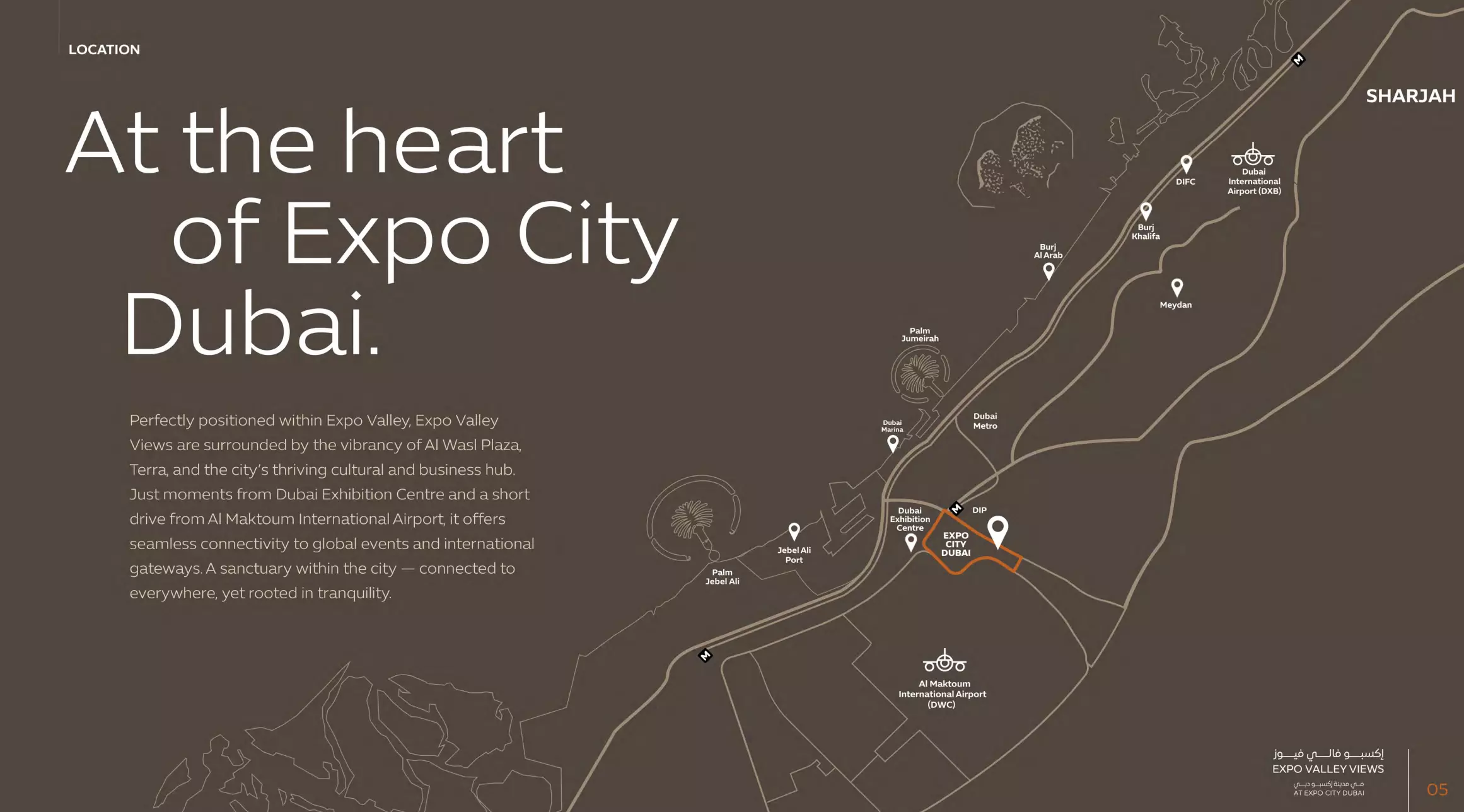
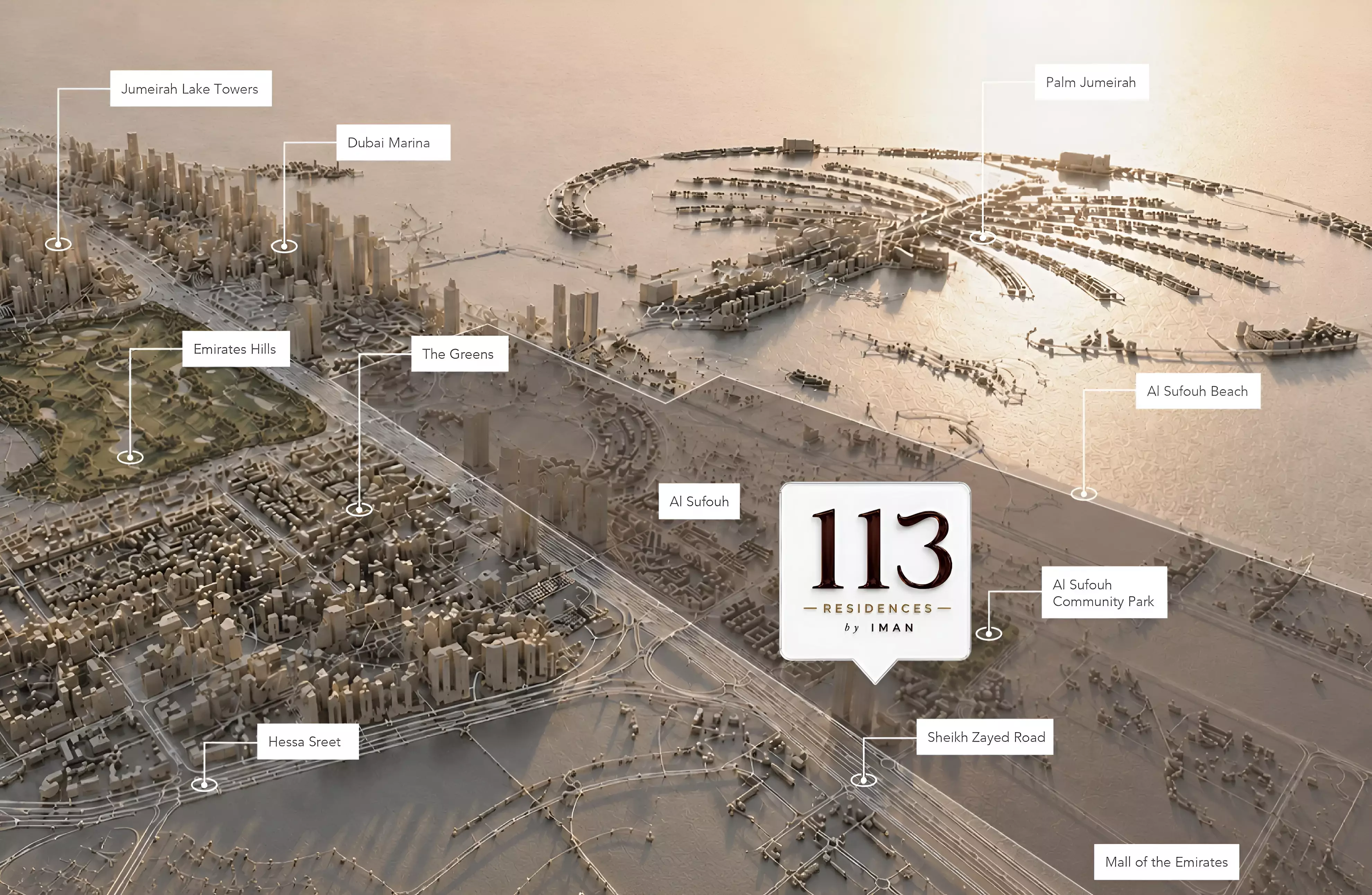
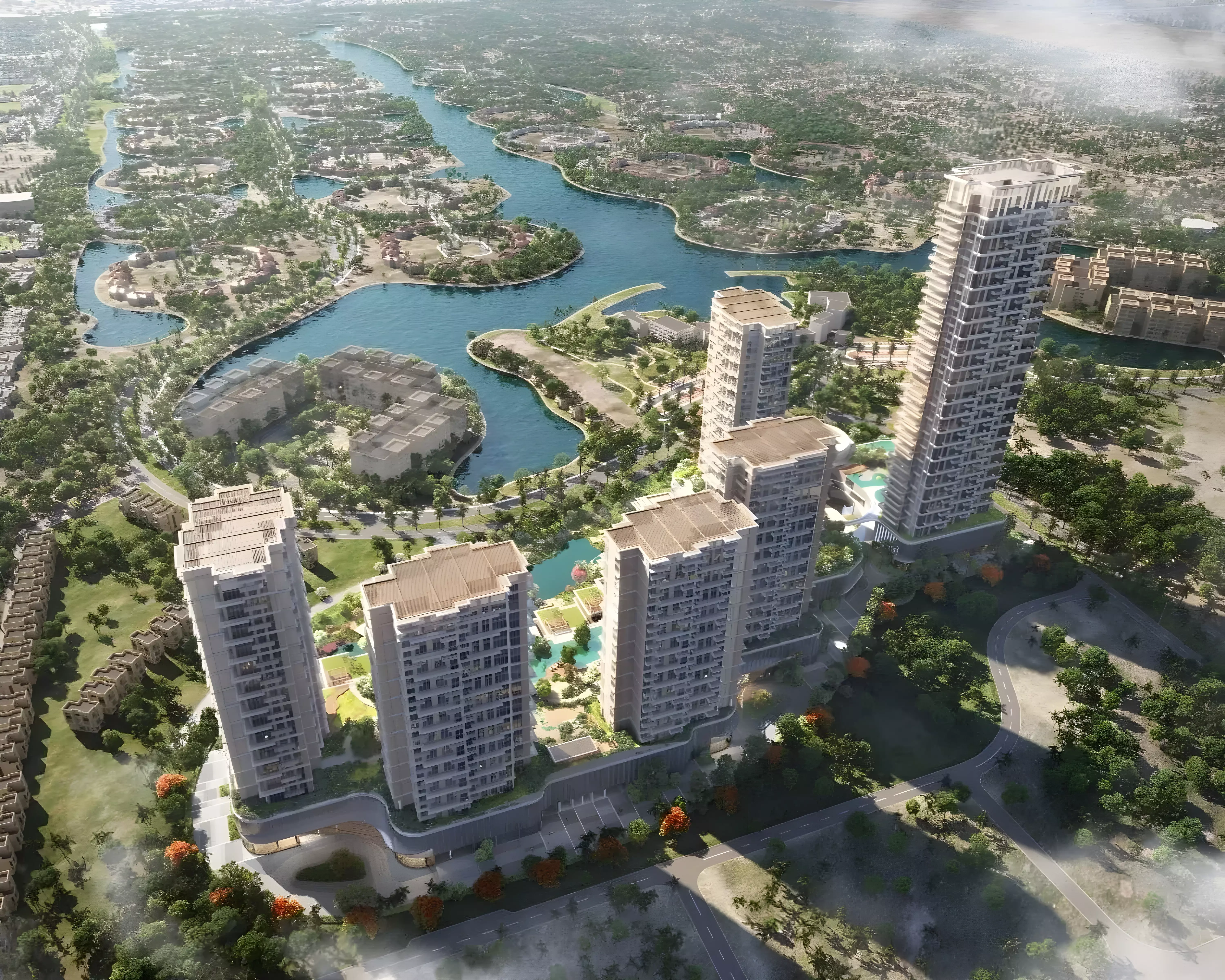
Jumeirah Islands is one of Dubai's more established residential clusters. It sits off Sheikh Zayed Road near the Jumeirah Islands interchange, which puts major arterial routes within easy reach. The area attracts residents who want a quieter, low-density feel without being far from the commercial core of Dubai. Jumeirah Lakes Towers and Dubai Marina are roughly ten minutes by car. The airport is accessible without crossing the city.
For investors, Jumeirah Islands has historically held its value well. It is not a high-turnover, transient community. Residents tend to stay. That dynamic supports rental yields and limits the oversupply risk that affects some other districts. Serenia District East specifically adds a newer, more curated layer to that address, which broadens its appeal to buyers who want the location but also want modern construction and managed amenities.
From AED 1.96M to AED 8.23M: Understanding the Range
The price spread here is significant, and it reflects the product mix rather than inconsistency in quality. AED 1.96 million places a buyer in an apartment, likely at a smaller configuration. AED 8.23 million sits firmly in penthouse territory. These are not comparable products, and the gap between them is appropriate for a development that combines standard residential units with full-floor or upper-level penthouses.
A buyer at the lower end is making a different investment decision from one at the upper end. The apartment buyer is accessing a well-located community at a competitive entry point for the area. The penthouse buyer is making a lifestyle purchase with a premium for space, height, and finish. Both are within the same project, but the use case and return profile differ considerably.
Apartments and Penthouses: Who Each Product Suits
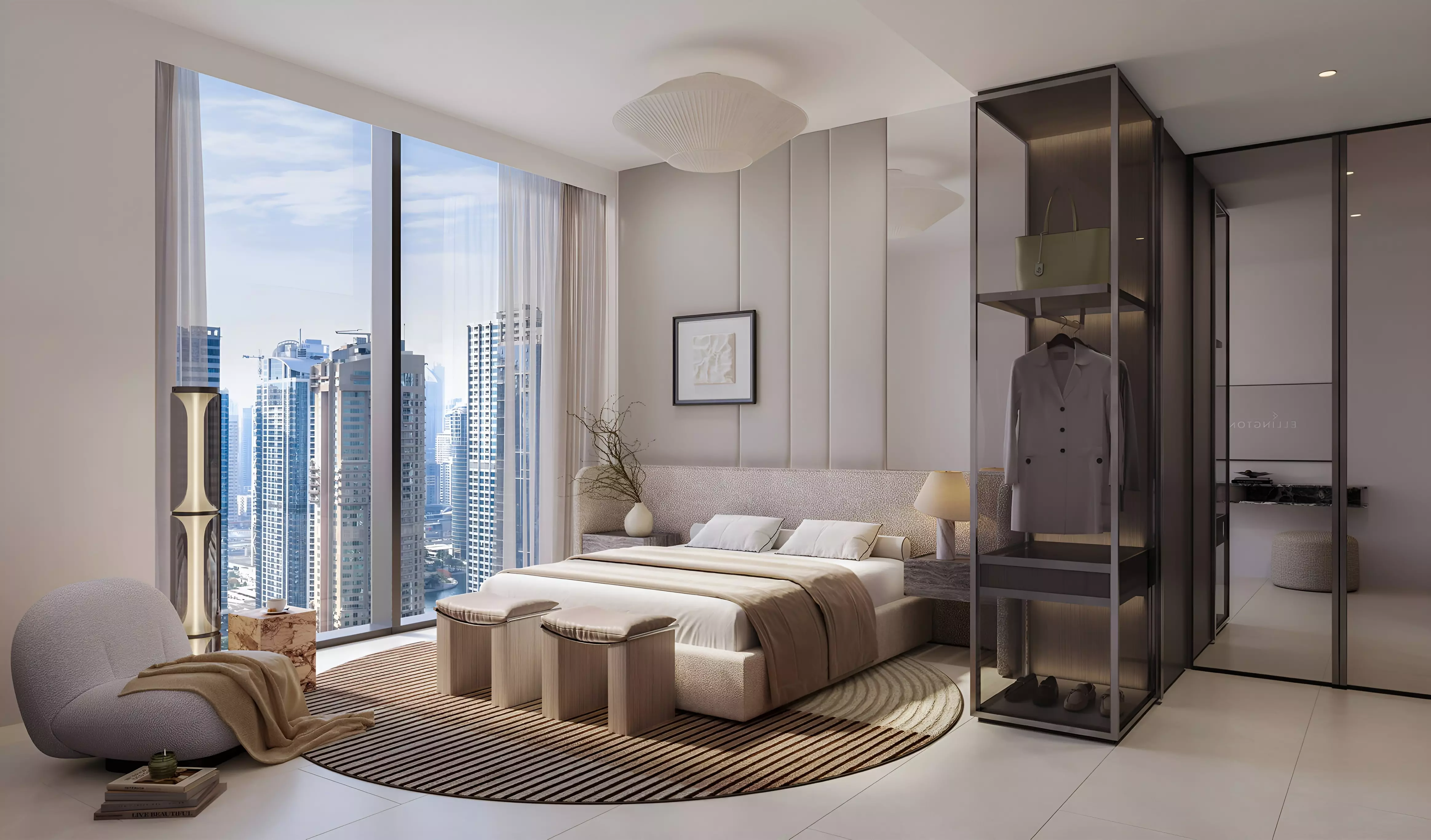
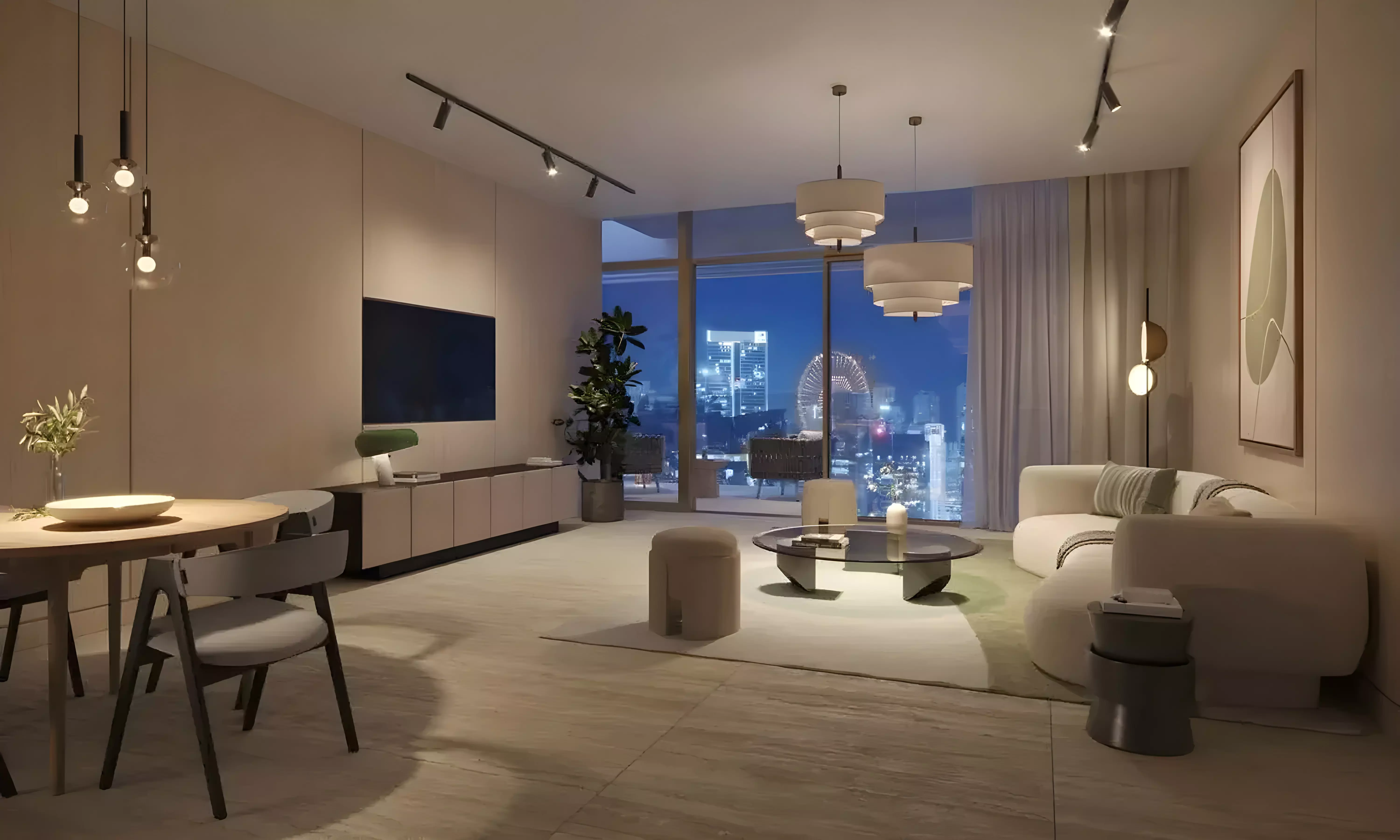
The apartment offering suits investors looking for rental income, professionals relocating to Dubai who want a ready community, and buyers who want Jumeirah Islands proximity without villa pricing. Apartments in a managed district tend to lease well to corporate tenants and families who want access to shared facilities.
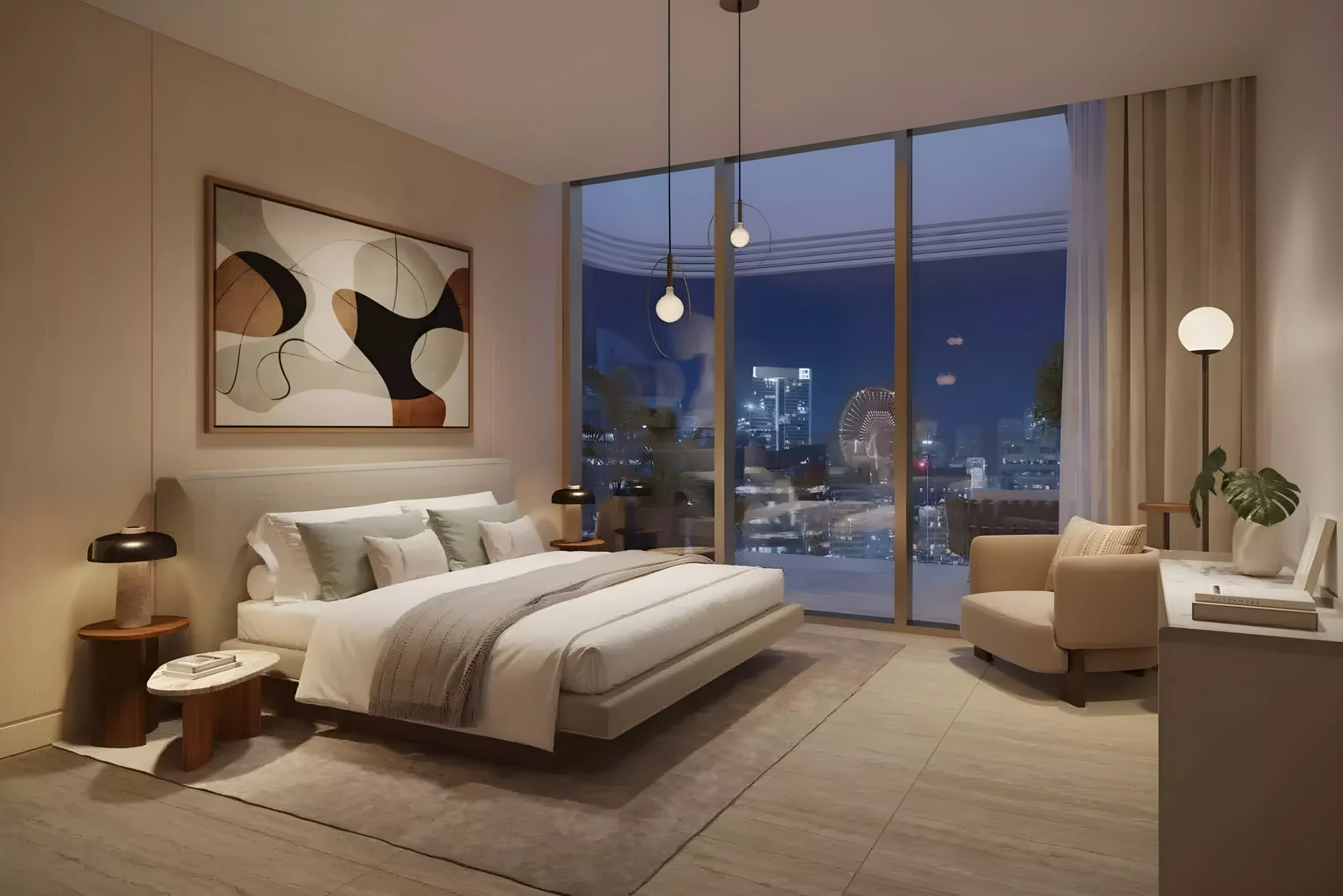
The penthouses are a different conversation. At this price level, buyers are typically end-users or high-net-worth investors looking for capital preservation in a premium asset. Penthouses in district developments with strong fundamentals tend to be illiquid but resilient. They are not a quick-flip product.
What the Amenities Say About the Resident Profile
| Lifestyle | Amenities |
|---|---|
| Fitness and wellness | Gymnasium, Indoor Swimming Pool, Shared Spa |
| Family and social | Children's Play Area, Community Hall, Landscaped Gardens |
| Convenience | Retail Facilities, Restaurants |
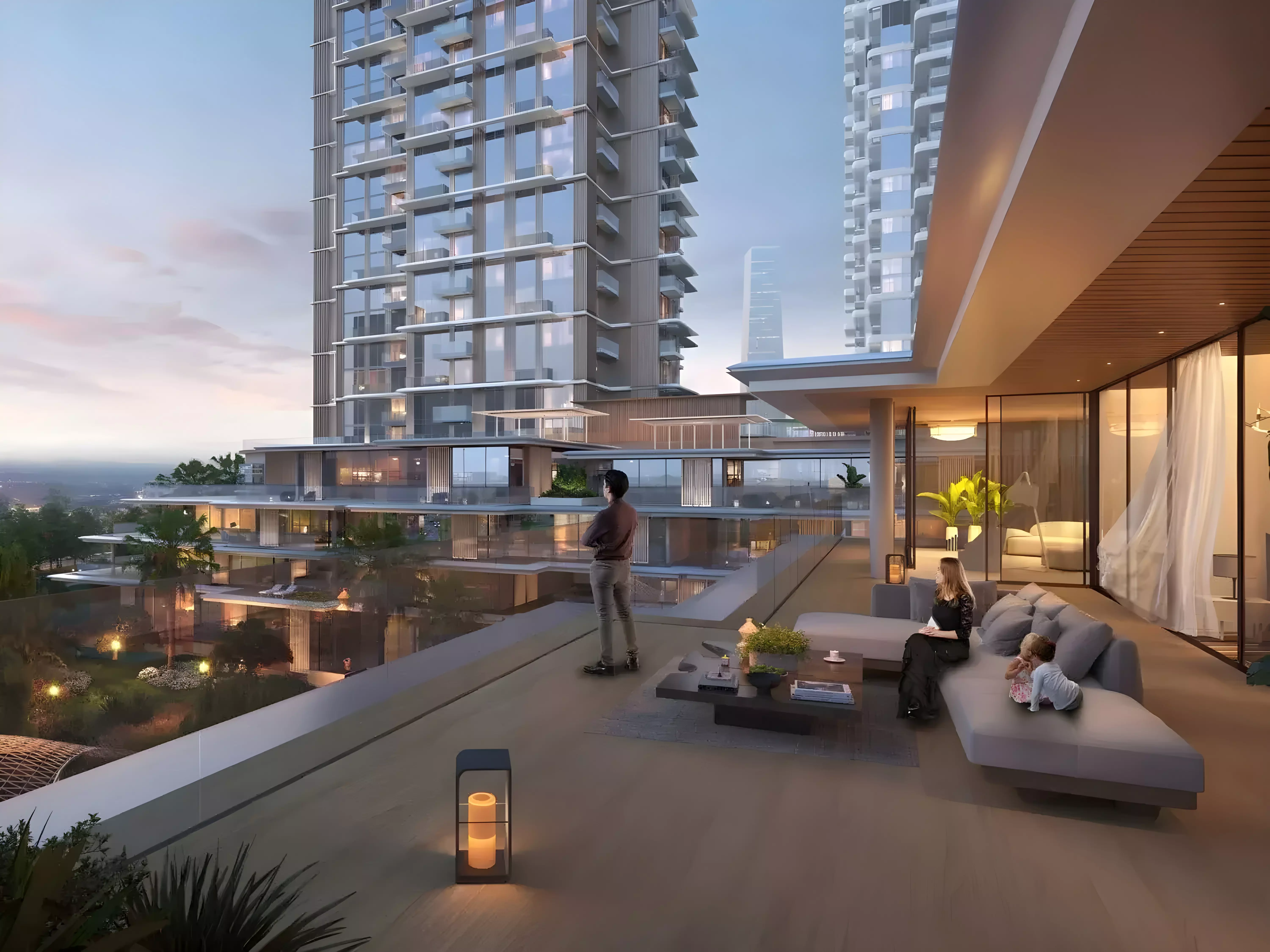
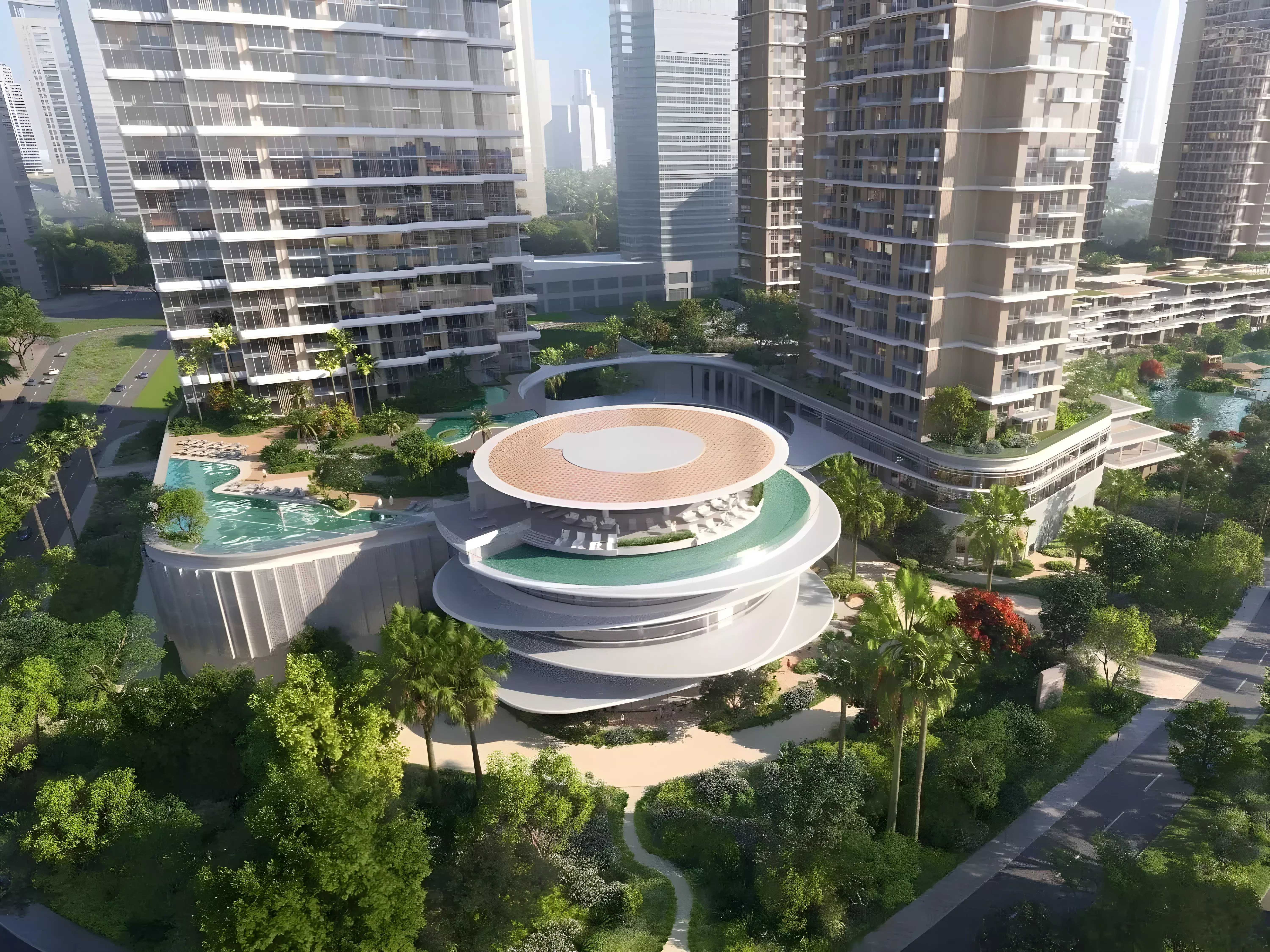
An indoor pool and a shared spa together signal that this project is targeting year-round residents, not seasonal visitors. Outdoor pools are standard; indoor ones are a deliberate investment that makes sense only if residents are expected to live here full time. The community hall and children's play area reinforce a family-oriented positioning. The retail and restaurant facilities suggest Palma wants residents to have day-to-day needs met within the district itself.
A 2030 Completion: What That Window Means for You
Construction started in April 2026, with handover targeted for June 2030. That is a four-year build cycle. For an off-plan buyer entering now, that window works in two directions. On one side, it gives time to manage cash flow across the payment schedule. On the other, it means four years before any rental income or personal occupancy. Buyers should factor that holding period into their return calculations.
Getting In for 10%
| Stage | Payment |
|---|---|
| Down payment | 10% |
| During construction | 50% |
| On handover | 40% |
A 10% down payment is at the low end of what Dubai developers typically ask. It reduces the barrier to entry and lets buyers commit capital gradually across the construction period. The structure places a meaningful 40% at handover, which is a cash flow consideration. Buyers who plan to mortgage the property need to ensure financing is arranged well before the 2030 completion date, since that final payment is substantial.