
Projects in Dubai
View on map- Jumeirah Village Circle (240)
- Dubai Land (166)
- Dubai Islands (157)
- Dubai South (Dubai World Central) (150)
- Meydan (91)
- Al Furjan (76)
- Business Bay (76)
- Mohammed Bin Rashid City (75)
- Arjan (53)
- Jumeirah Village Triangle (53)
- Dubai Hills Estate (50)
- Al Satwa (43)
- Dubai Land Residence Complex (43)
- Dubai Investment Park (DIP) (41)
- Damac Lagoons (37)
- Dubai Creek Harbour (The Lagoons) (37)
- Jebel Ali (36)
- Town Square (36)
- Majan (35)
- Maritime City (34)
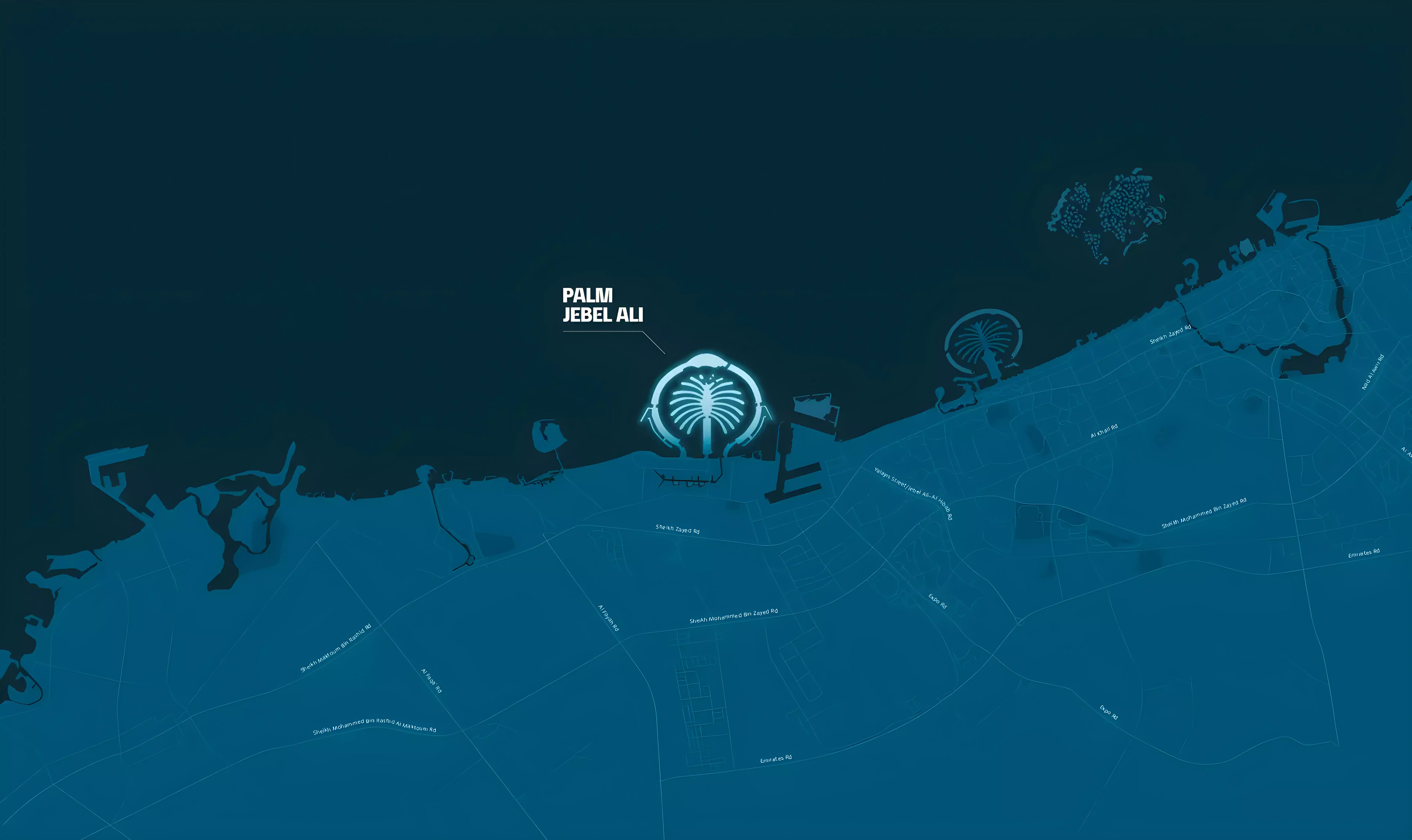
- Palm Jebel Ali (34)
- Al Jaddaf (33)
- Al Warsan (33)
- The Valley (33)
- Palm Jumeirah (32)
- Dubai Production City (IMPZ) (30)
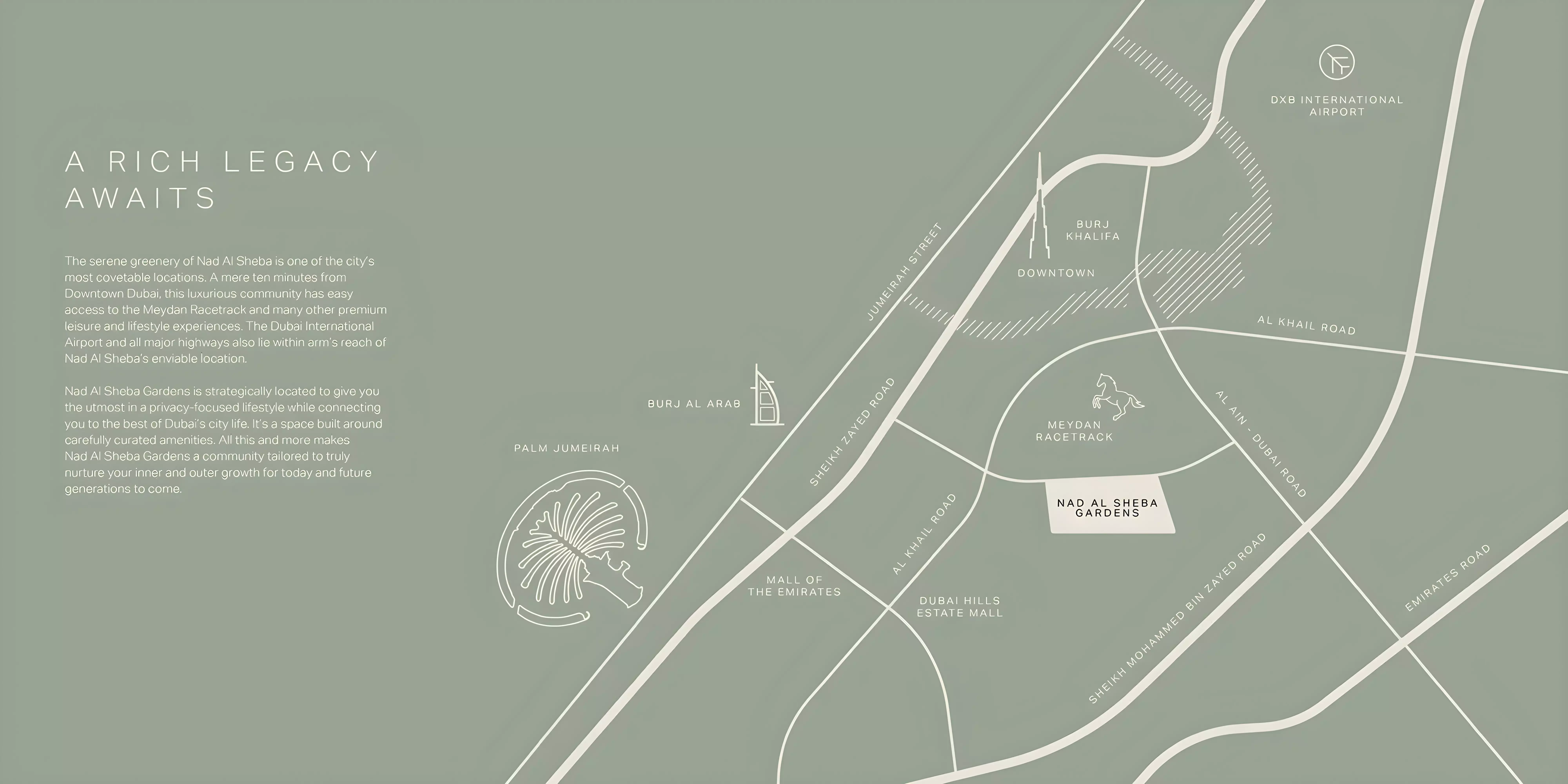
- Nad Al Sheba (29)
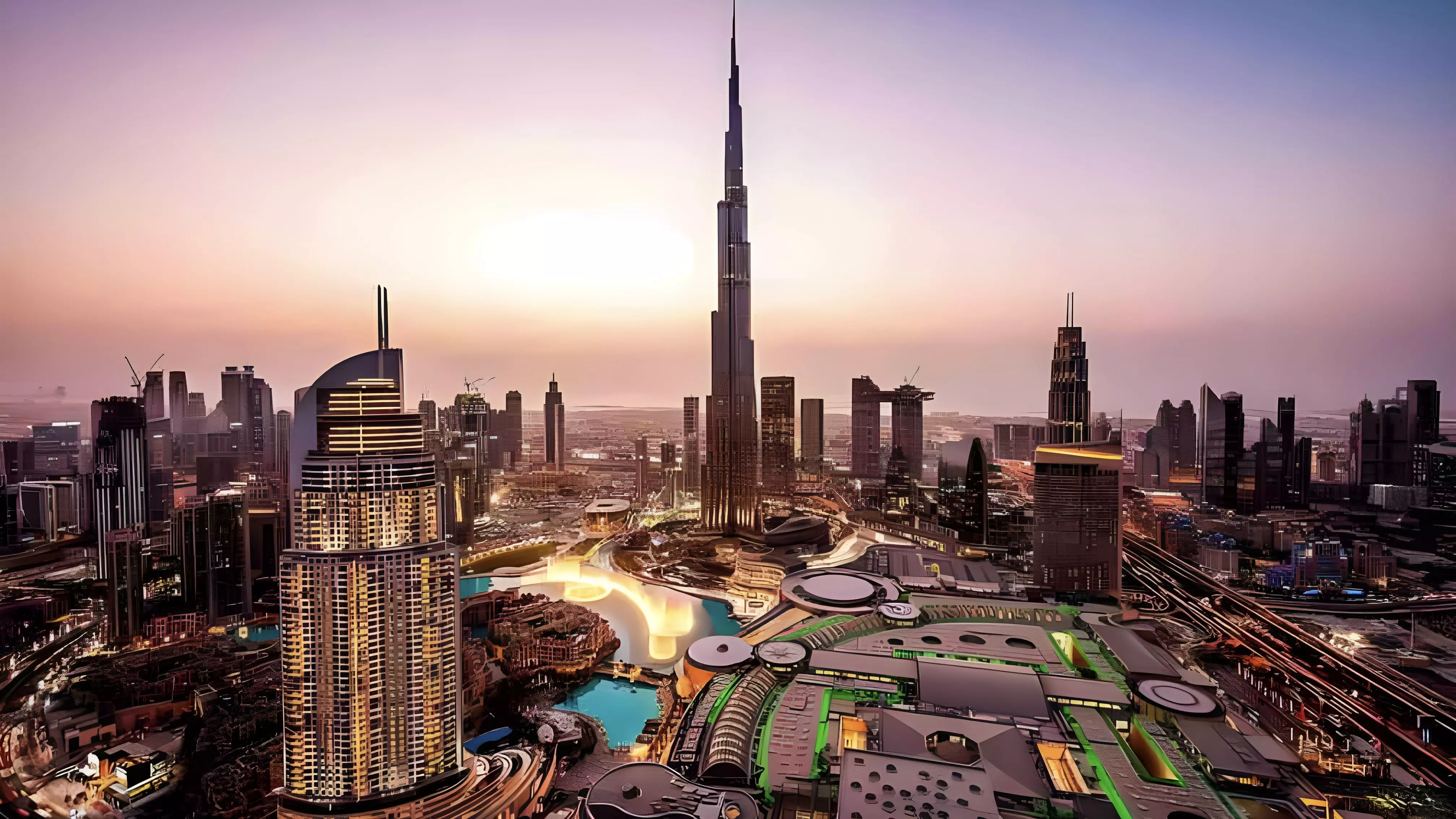
- Downtown Dubai (26)
- Dubai Sports City (26)
- Bukadra (25)
- Mina Rashid (24)
- Dubai Marina (23)
- Jumeirah (23)
- Jumeirah Lake Towers (22)
- Damac Hills 2 (21)
- International City (21)
- Wasl Gate (21)
- Damac Hills (20)
- Motor City (20)
- Dubai Harbour (19)
- Dubai Silicon Oasis (19)
- Expo City (18)
- City Walk (17)
- Dubai Industrial City (16)
- Arabian Ranches 3 (15)
- Dubai Science Park (15)
- Dubai Studio City (15)
- City of Arabia (14)
- Jumeirah Islands (13)
- Sheikh Zayed Road (13)
- The World Islands (13)
- Al Barari (12)
- Al Wasl (12)
- Jumeirah Golf Estates (12)
- Umm Suqeim (12)
- DAMAC Islands (11)
- Liwan (11)
- The Oasis by Emaar (11)
- Tilal Al Ghaf (10)
- Mudon (9)
- Sobha Sanctuary (8)
- Downtown Jebel Ali (7)
- Living Legends (7)
- Zabeel (6)
- Al Barsha (5)
- DIFC (5)
- Dubai Design District (5)
- Haven By Aldar (5)
- The Heights Country Club & Wellness (5)
- Villanova (5)
- Al Safa (4)
- Al Sufouh (4)
- Culture Village (4)
- Dubai Internet City (4)
- Falcon City of Wonders (4)
- Jumeirah Beach Residence (4)
- Jumeirah Park (4)
- Ras Al Khor (4)
- Bur Dubai (3)
- Nadd Al Hammar (3)
- Al Rowaiyah 1 (2)
- Barsha Heights (Tecom) (2)
- Deira (2)
- The Acres (2)
- Umm Al Daman (2)
- Wadi Al Safa 5 (2)
- Show all locations
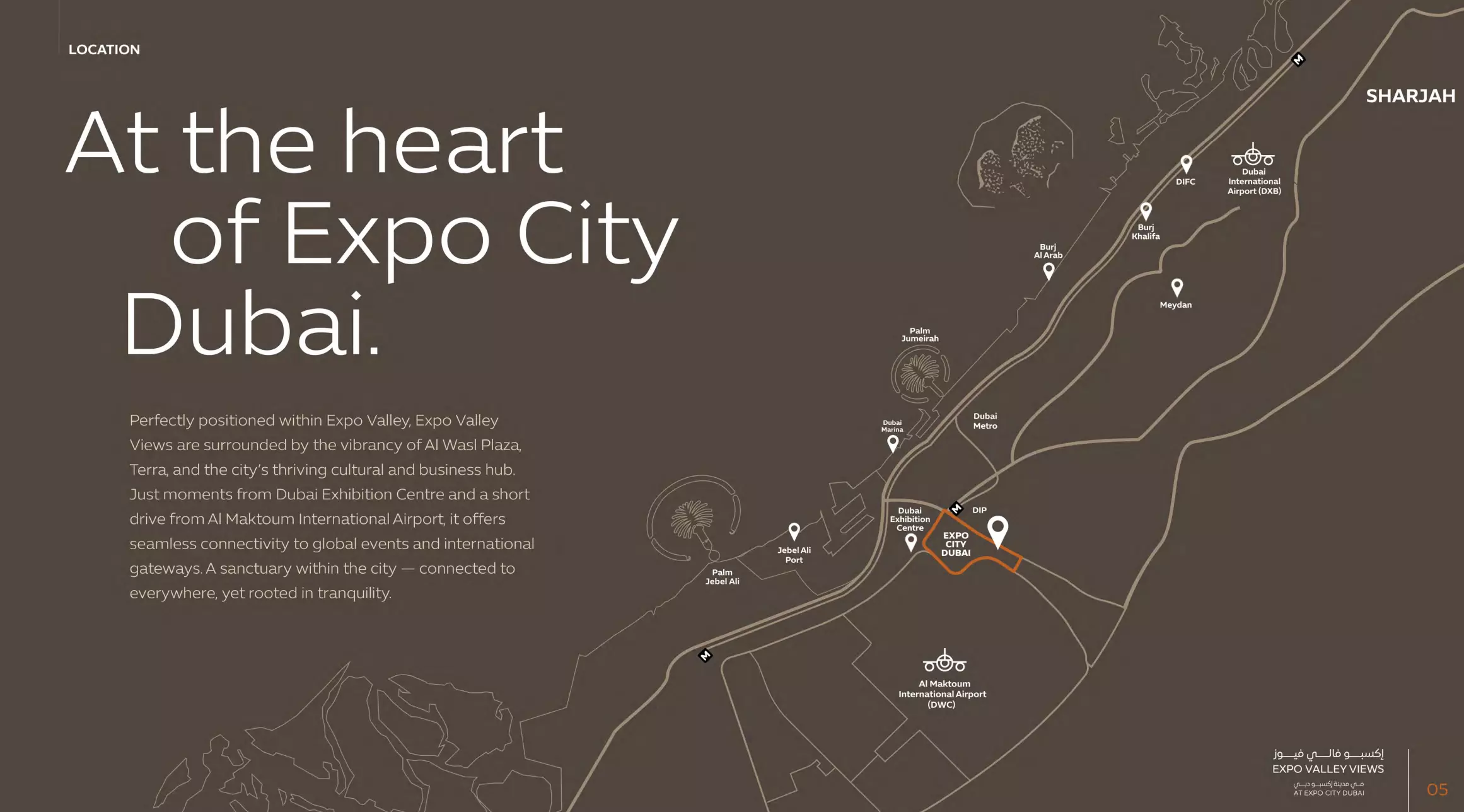
AED 1.7M
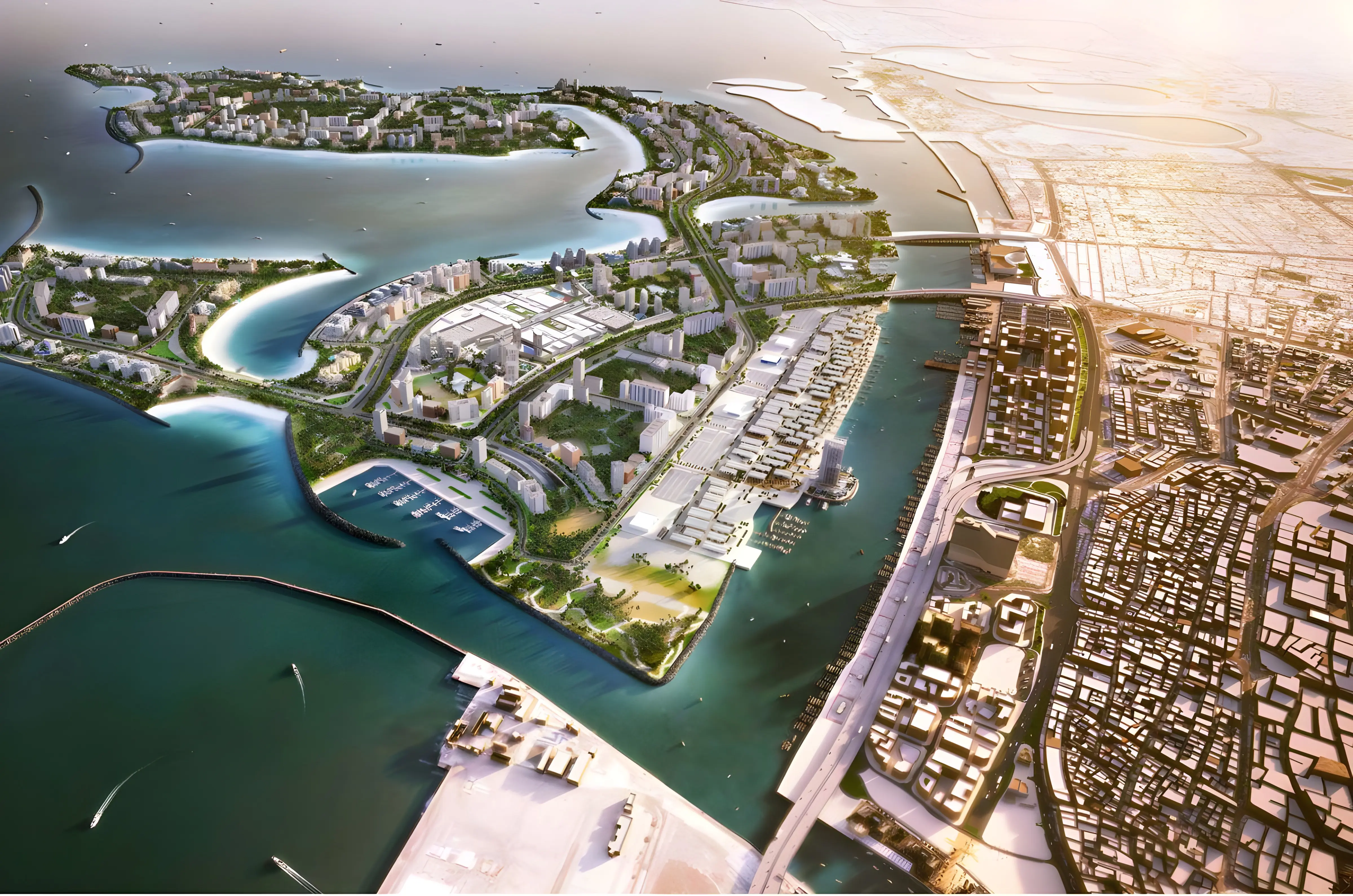
On request
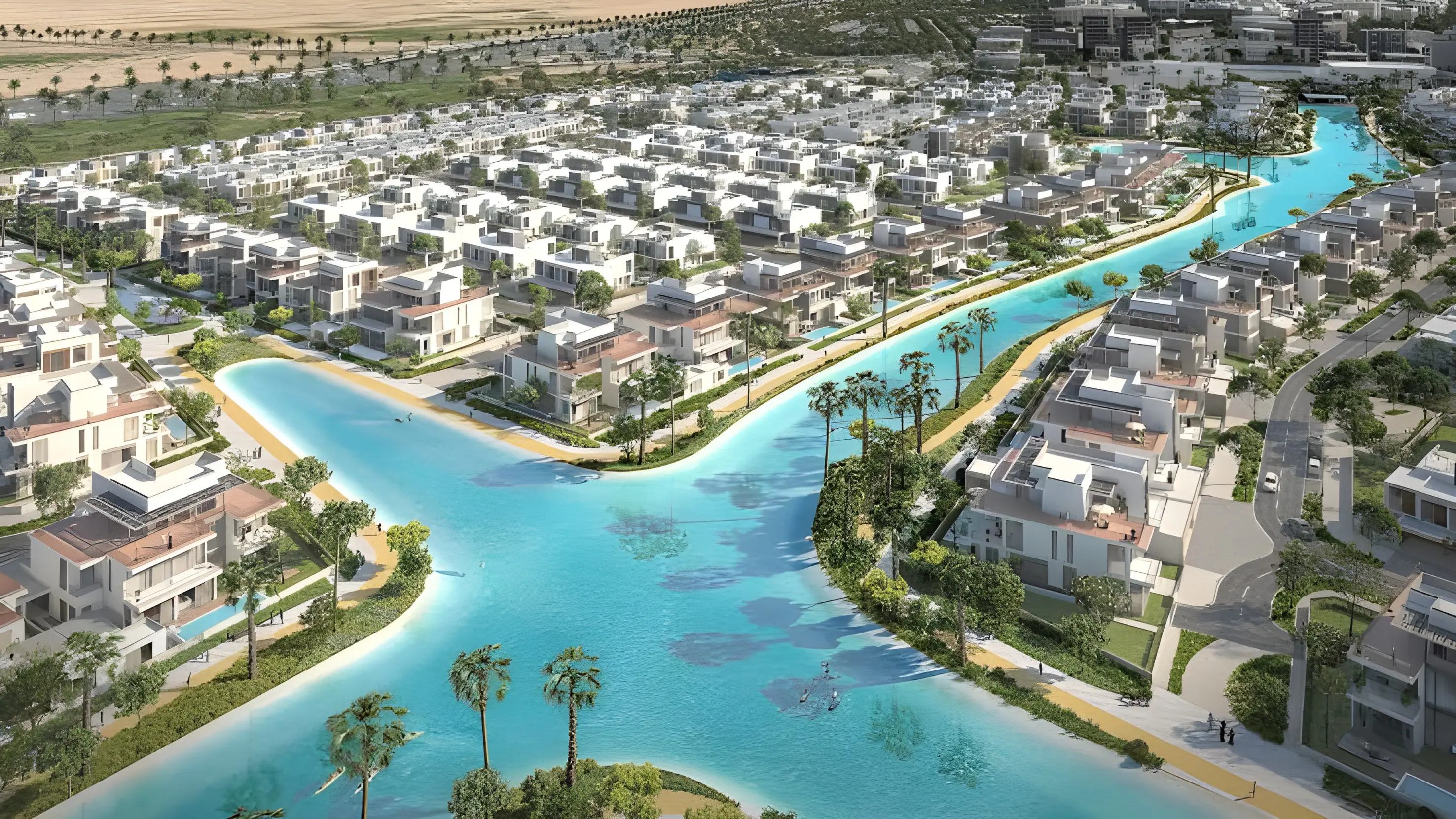
On request
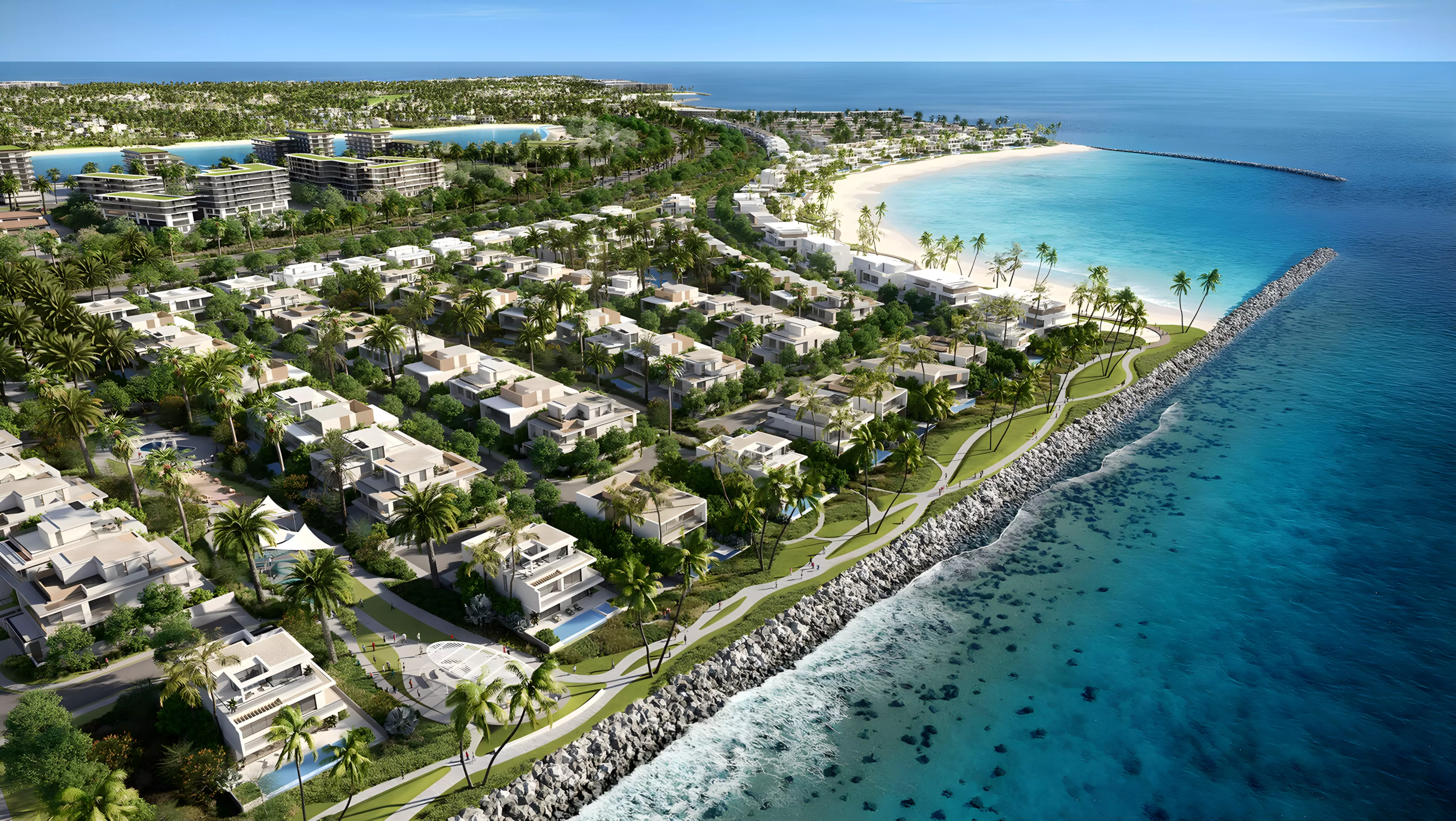
AED 4.7M
On request
On request
On request
AED 29.3M
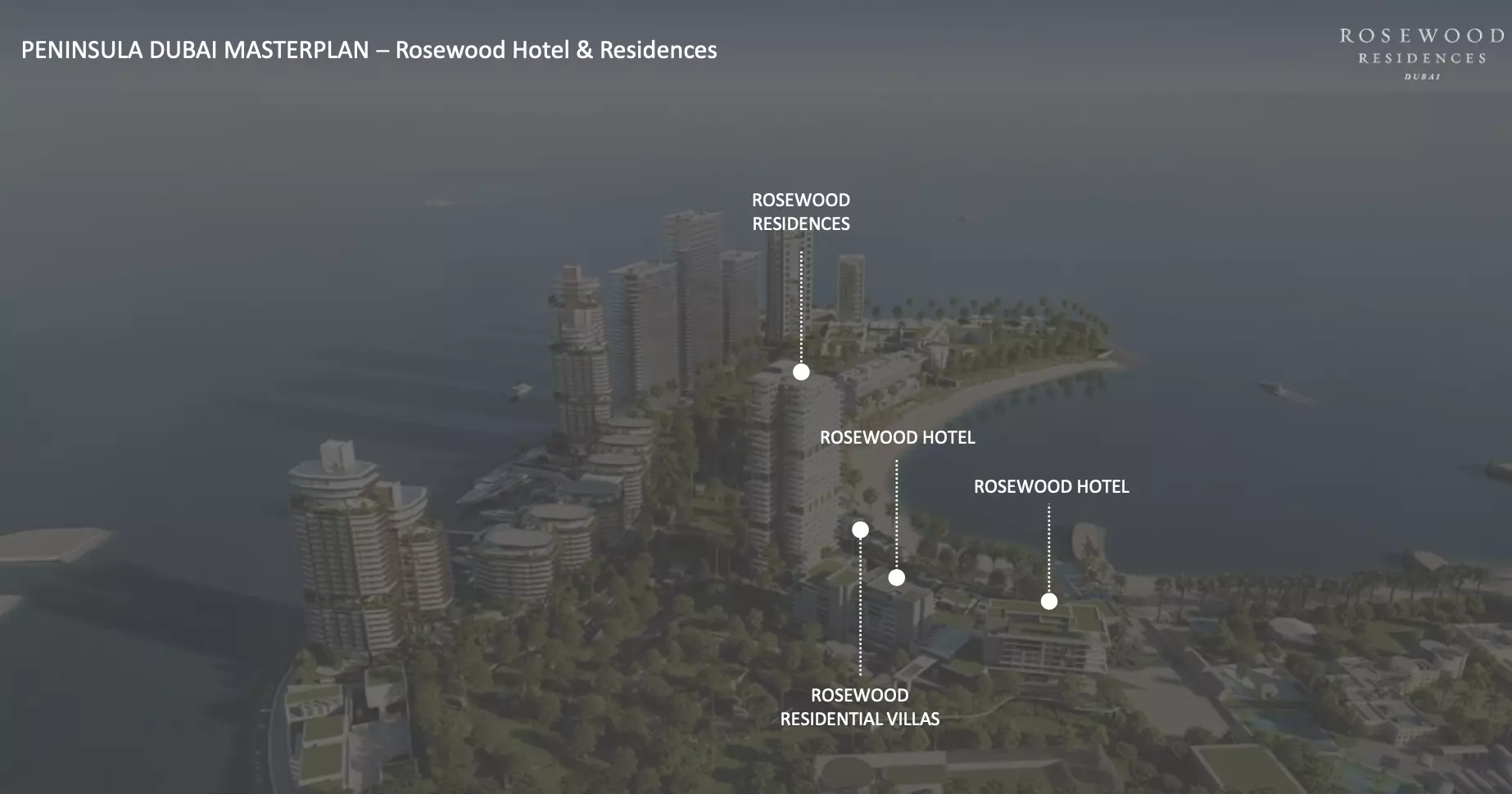
AED 32.8M
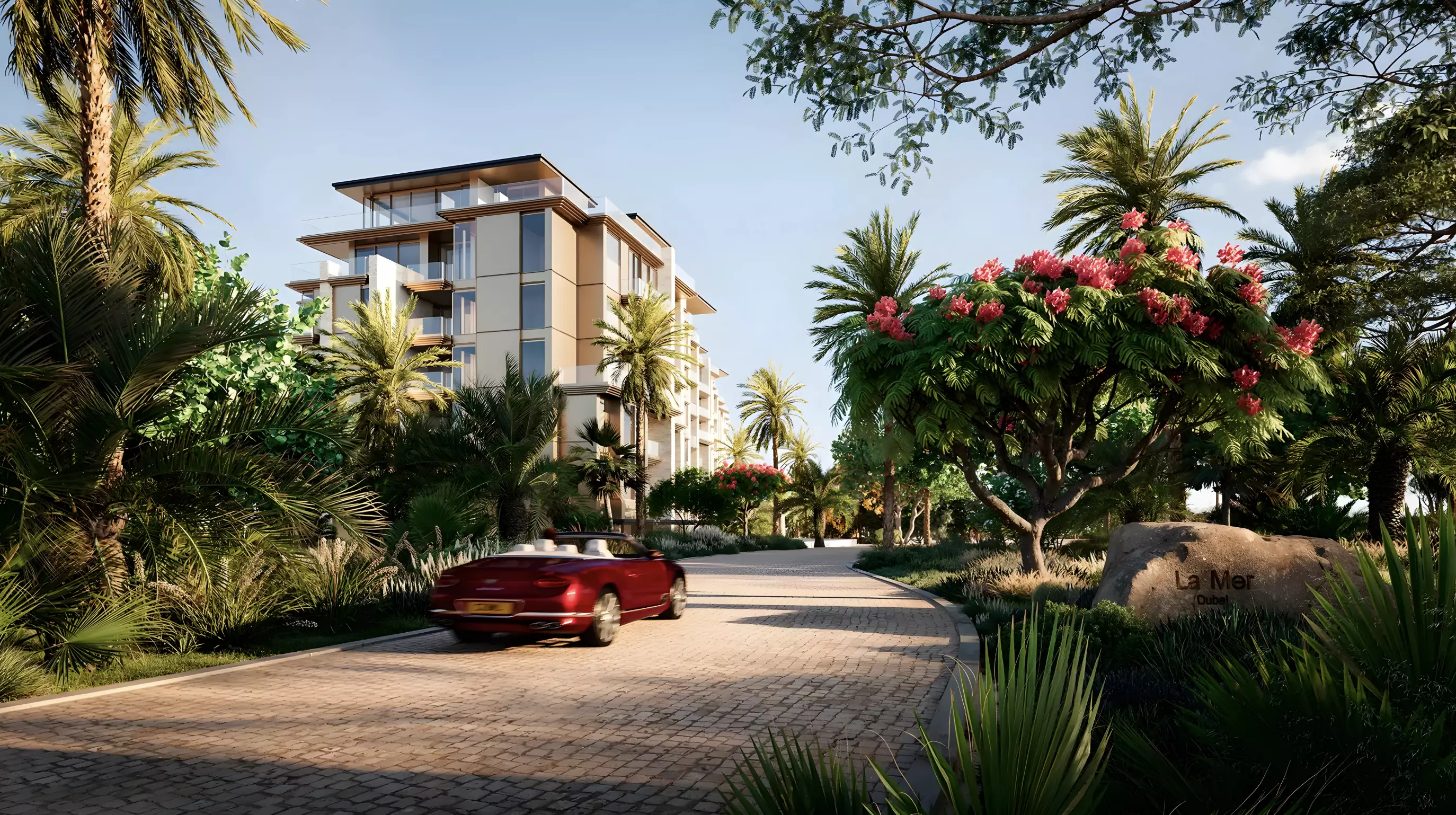
AED 11M
Other Developers
- New Projects by Emaar Properties
- New Projects by Damac Properties
- New Projects by Azizi Developments
- New Projects by Nakheel
- New Projects by Binghatti Developers
- New Projects by Ellington
- New Projects by Meraas Holding
- New Projects by Sobha Realty
- New Projects by Samana Developers
- New Projects by Aldar Properties PJSC
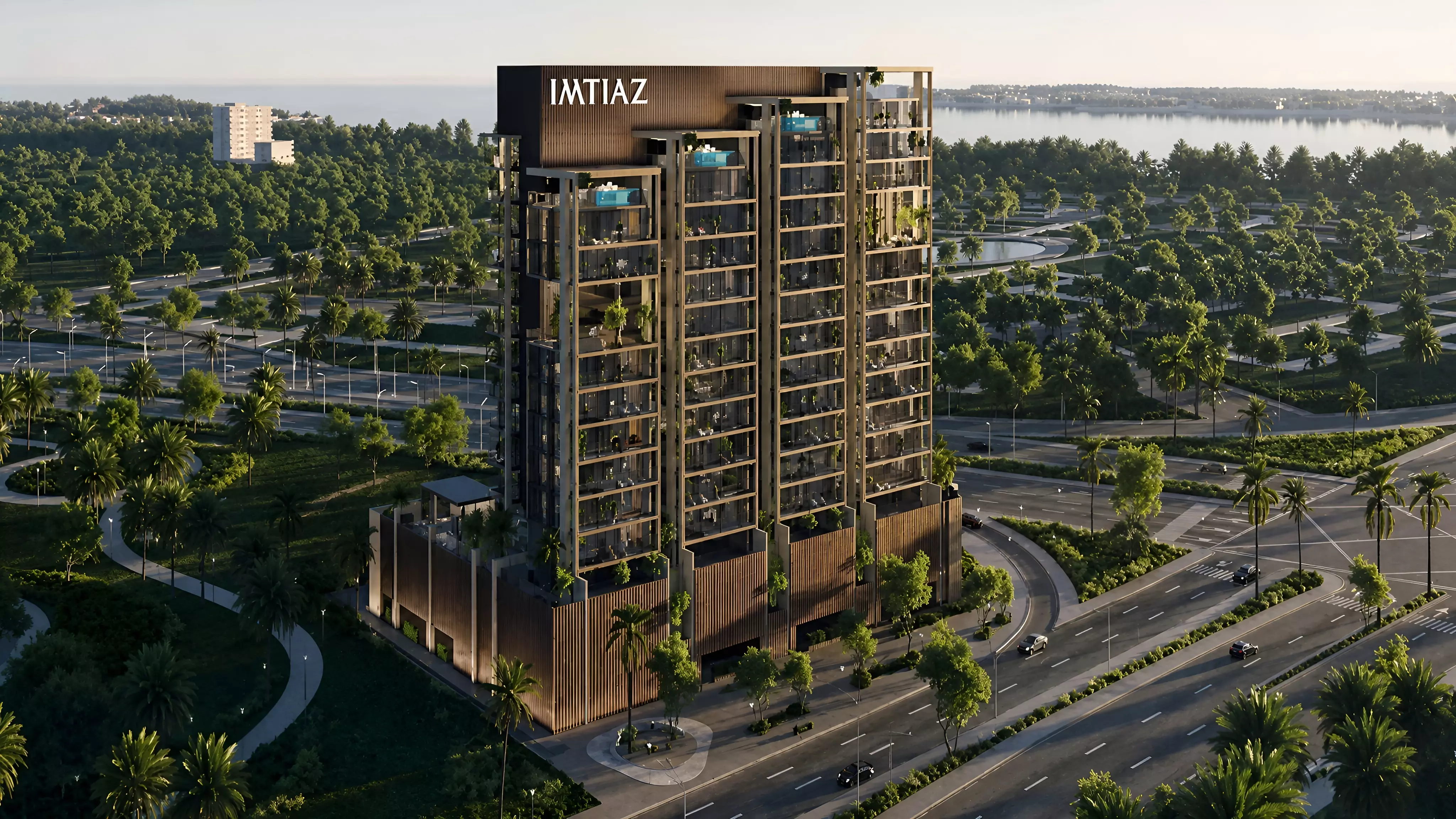
- New Projects by Imtiaz Developments
- New Projects by Nshama
- New Projects by Object 1
- New Projects by Danube Properties
- New Projects by Wasl Properties
Explore by Developer in Dubai
- Emaar Properties Projects in Dubai
- Damac Properties Projects in Dubai
- Azizi Developments Projects in Dubai
- Nakheel Projects in Dubai
- Binghatti Developers Projects in Dubai
- Ellington Projects in Dubai
- Meraas Holding Projects in Dubai
- Sobha Realty Projects in Dubai
- Samana Developers Projects in Dubai
- Aldar Properties PJSC Projects in Dubai
- Imtiaz Developments Projects in Dubai
- Nshama Projects in Dubai
The Full Range of Off-Plan Real Estate: New Projects in Dubai
Dubai's new-project pipeline covers more ground than any single search can hold. Active off-plan inventory spans established waterfront districts like Dubai Marina, Palm Jumeirah, and Dubai Creek Harbour, through central mixed-use zones including Downtown Dubai, Business Bay, and DIFC, out to master-planned suburban communities like Dubai Hills Estate, Arabian Ranches 3, Damac Hills 2, and Tilal Al Ghaf. Entry-level supply concentrates in outer districts such as Jumeirah Village Circle, Arjan, Dubai South, and International City. For a buyer starting a search here, the first decision is not which project to choose but which part of the emirate to focus on. The geographic spread is wide enough that two projects both listed as Dubai can be entirely different propositions in terms of price, commute, and buyer profile.
AED 1.36M at the Midpoint, AED 330M at the Ceiling
The floor in Dubai's current off-plan market sits at AED 117,136 and the ceiling reaches AED 330,000,000. Neither number is the most useful anchor for a typical buyer. The median is AED 1,362,255, and that is where most volume for a standard apartment purchase concentrates. Below AED 800K, the market is largely Jumeirah Village Circle, Dubai Silicon Oasis, Arjan, Liwan, and parts of Dubai South. From AED 800K to AED 3M, buyers are looking across Business Bay, Dubai Creek Harbour, Mohammed Bin Rashid City, and Meydan. The AED 10M-plus segment belongs to Palm Jumeirah, Dubai Islands, Bluewaters, Maritime City, and branded residence towers in central districts. The spread between minimum and maximum is extreme because Dubai runs two parallel off-plan tracks: affordable apartments in outer districts and high-ticket waterfront or central product that prices to a global buyer pool.
76% Apartments Across Six Property Types
| Property Type | Projects |
|---|---|
| Apartment | 1,855 |
| Villa | 361 |
| Townhouse | 299 |
| Duplex | 223 |
| Penthouse | 184 |
| Land | 3 |
Apartments account for 76% of all listed projects. That concentration reflects a structural bias toward high-density supply and means the majority of inventory skews toward investors and single occupants. Villas and townhouses together represent 660 projects and are largely confined to master-planned communities: Damac Hills 2, Damac Lagoons, Damac Islands, Villanova, The Valley, Mudon, and Jumeirah Golf Estates. Duplexes and penthouses at 407 combined projects sit at the premium end of the tower market in central and waterfront locations. Land plots at 3 projects are a negligible slice.
508 Developers, a Long Tail Behind the Big Names
508 developers are active across this inventory, a figure that points to a market with both dominant players and a large number of smaller entrants. Emaar Properties, Damac Properties, Azizi Developments, Nakheel, and Binghatti Developers account for a substantial share of volume in the established zones. Below them sits a long tail of smaller developers, many concentrated in outer or emerging areas. For a buyer thinking about resale, a project from a well-capitalised developer in a high-demand district moves differently on the secondary market than one from a newer entrant in a fringe zone. Both can be valid purchases, but the due diligence required on construction risk and developer track record is different.
1% Entry, Post-Handover Plans on 374 Projects, Handovers Through December 2032
Projects in this dataset carry completion dates beginning as early as July 2019, which means a meaningful portion of listed inventory may already be complete or handed over. Any project with a recorded handover before mid-2026 needs a current status check before a buyer proceeds. The active off-plan window extends to December 2032, giving buyers entering now access to projects with up to six years of construction period ahead.
The minimum down payment currently listed in the Dubai market is 1%, which is a very low entry point relative to typical off-plan requirements. 374 projects, roughly 15% of total inventory, include post-handover payment plans. These arrangements spread part of the purchase price across the period after keys are received, reducing the cash intensity during the construction phase and smoothing cash flow for buyers or investors carrying a mortgage or rental income gap.
Gyms, Play Areas, and On-Site Retail: The Resident Profile the Amenities Point To
The most common amenities across Dubai's new projects are children's play areas, gymnasiums, shared pools, landscaped gardens, CCTV and security infrastructure, barbecue areas, and on-site retail and restaurants. Security features appear across all price tiers, not just premium ones. The consistent combination of children's play areas, barbecue areas, and fitness infrastructure points to developments targeting long-term occupiers, particularly families and working professionals who rent from investors. The frequency of on-site retail and restaurant amenities in the top list reflects how many outer-district developments have been built to function as self-contained communities where residents do not need to leave the complex for daily needs.