One by Preston, Dubai South: What Buyers Need to Know
The Project and the Developer
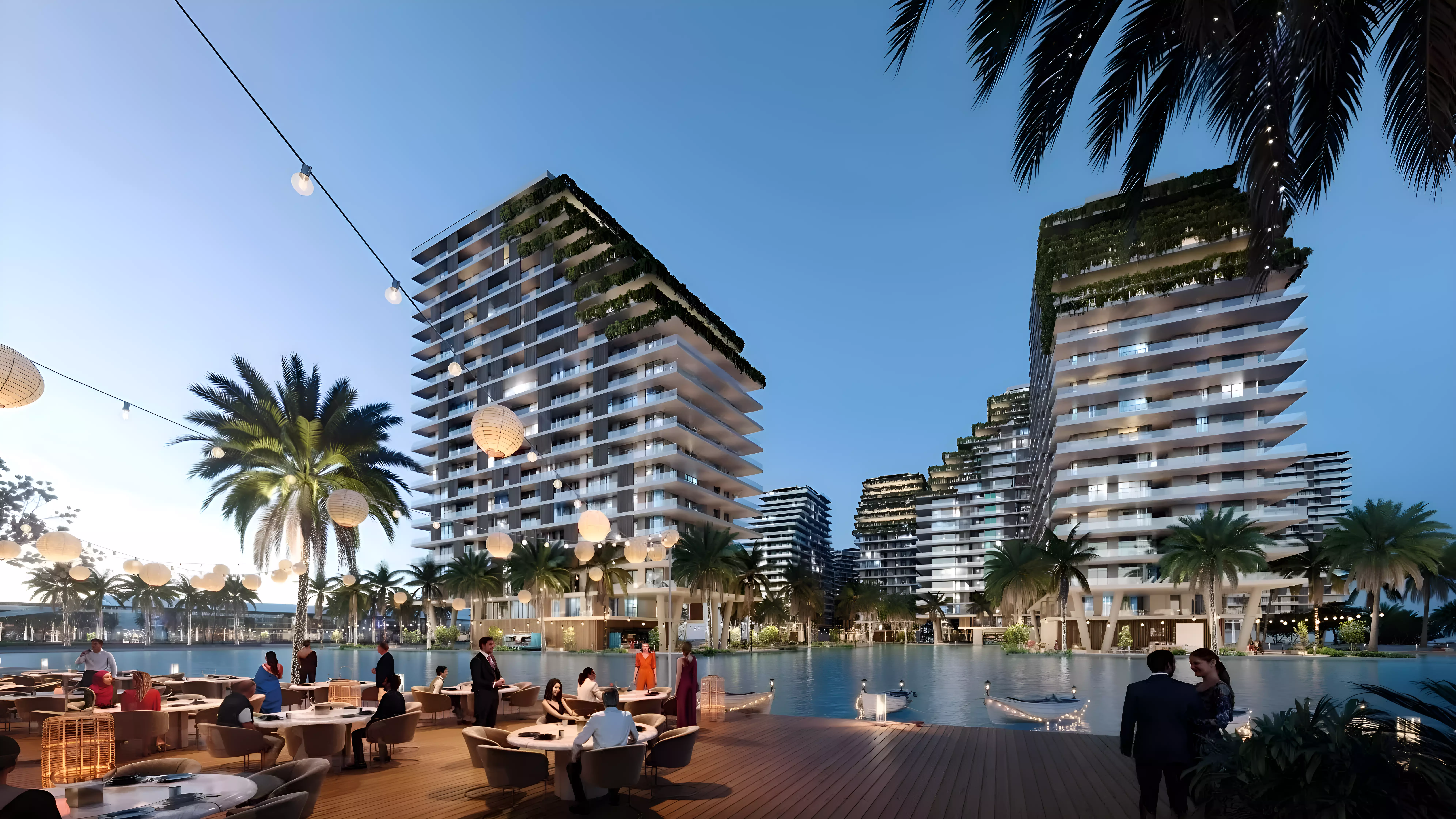
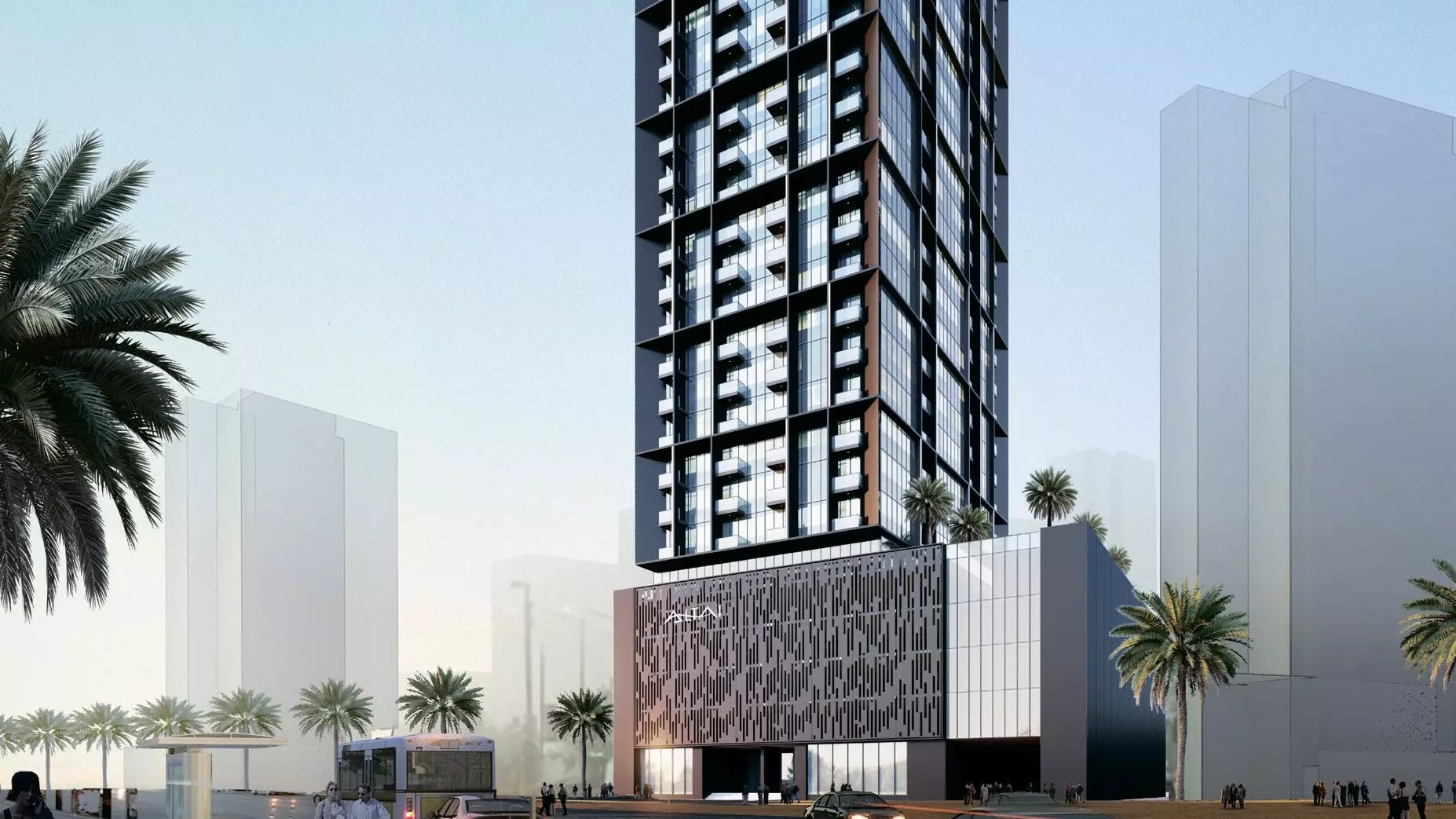
One by Preston is a residential apartment development in Dubai South, built by Preston, a developer operating in the mid-market segment of Dubai's off-plan space. The project sits within Dubai World Central, the large-scale planned district anchored by Al Maktoum International Airport. Preston is not among Dubai's highest-profile names, so buyers should do standard due diligence on delivery track record before committing.
What Dubai South Actually Means for You
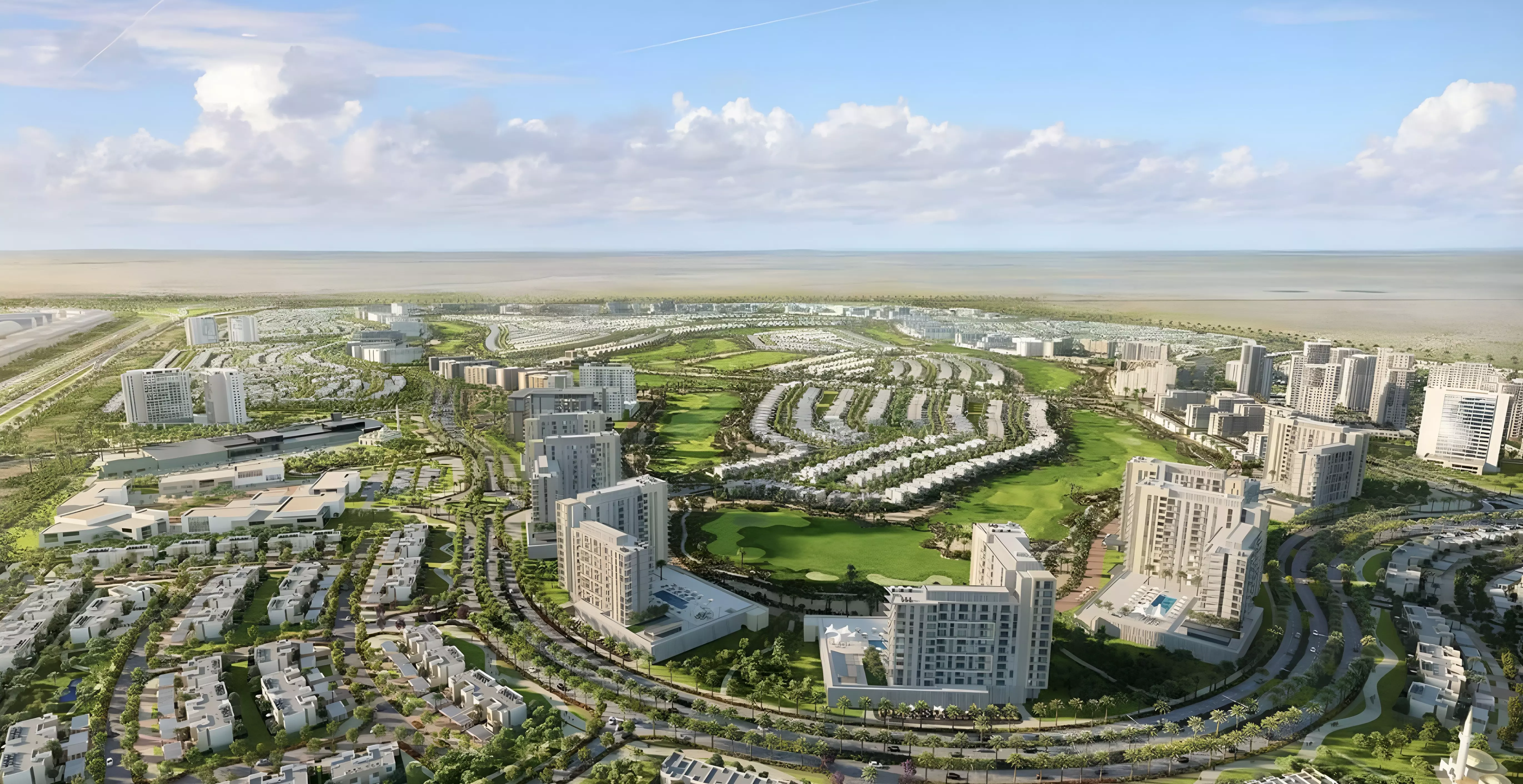
Dubai South is not a finished neighbourhood. That matters. It is a long-term infrastructure story, one of the largest urban development projects in the region, built around Al Maktoum Airport and the Expo City precinct. If you bought here for lifestyle convenience today, you would find it quieter and less connected than established districts like JVC or Dubai Marina.
The investment case is different. Al Maktoum Airport is expanding, and the surrounding district is expected to absorb significant population and commercial activity over the next decade. Buyers here are typically making a medium-to-long-term bet on that growth, not looking for immediate rental yields from a mature catchment. Commuters working near Expo City or in the logistics and aviation sectors around DWC have a more direct daily use case.
What AED 1.1M to AED 1.3M Gets You Here
The price range runs from AED 1,110,000 to AED 1,320,000. That spread is relatively tight, around 19%, which suggests the project has a limited number of unit configurations rather than a wide mix of sizes or floor levels. You are likely looking at one or two apartment types where the difference in price reflects floor position, aspect, or finishing tier rather than a fundamental difference in unit size.
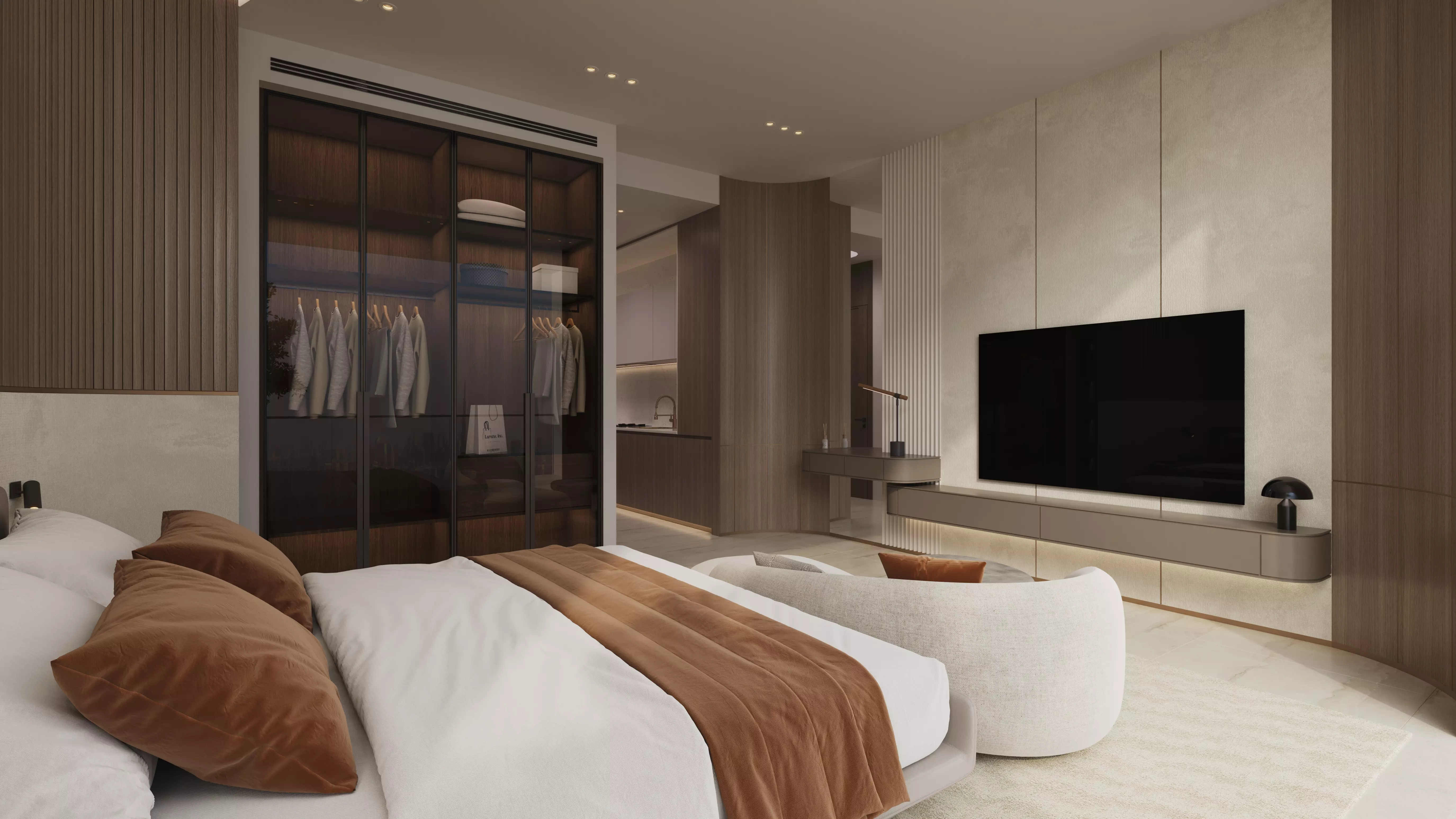
At the lower end, you are probably getting a compact one-bedroom or a lower-floor unit. At the upper end, expect a larger one-bedroom or a premium position within the same building. Buyers should ask the developer for a floor-by-floor breakdown before drawing conclusions.
For context, AED 1.1M to 1.3M in Dubai South sits in a competitive band. Supply here is growing fast. Buyers should compare nearby projects carefully before deciding this is the right entry point.
Amenities: Reading Between the Lines
| Category | Facilities |
|---|---|
| Fitness and Wellness | Health Club, Gymnasium, Indoor Swimming Pool |
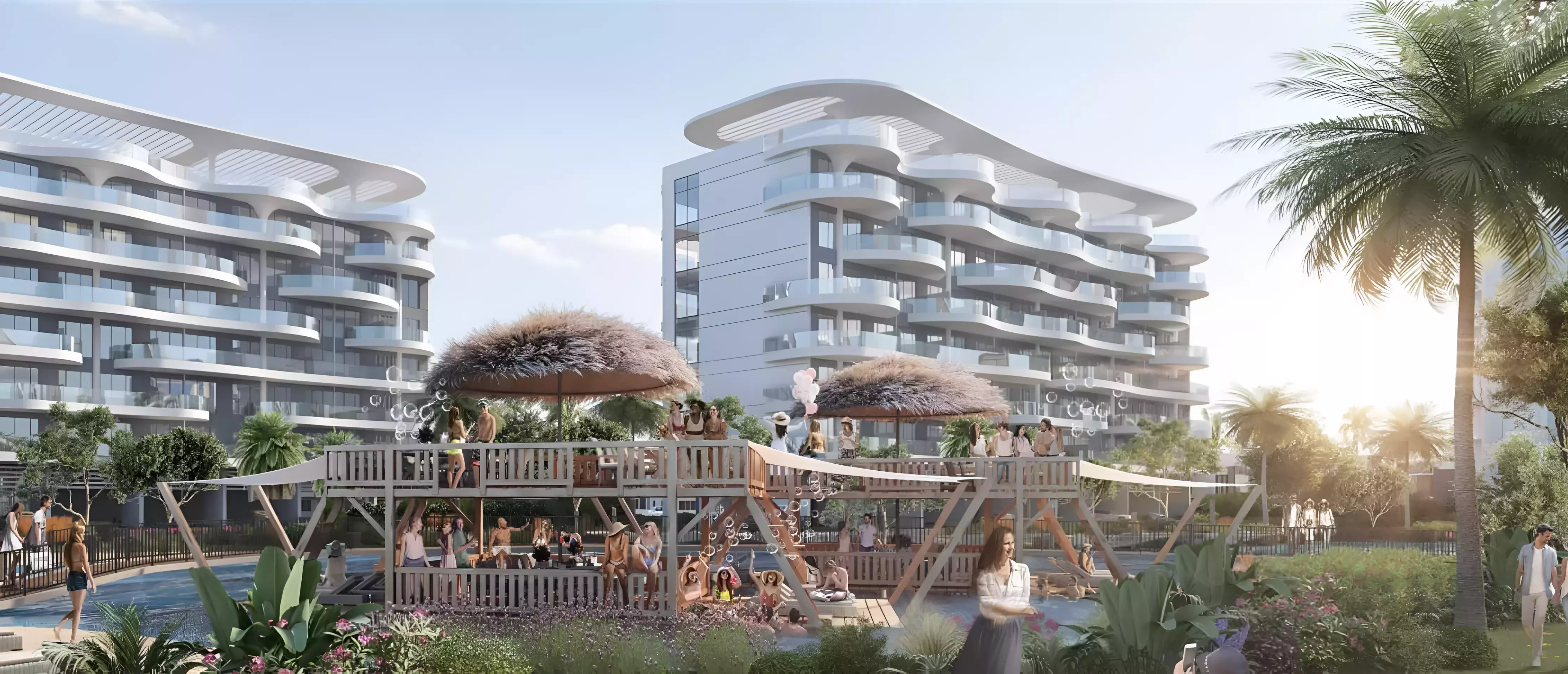
| Outdoor and Green Space | Landscaped Gardens, Children's Play Area |
| Practical | Covered Parking, Retail Facilities, Security |
An indoor pool is worth flagging. It is less common at this price point than a standard outdoor pool, and it adds year-round usability. The rest of the amenity list is solid but familiar: gym, gardens, play area, retail, security. Nothing here pushes beyond what the mid-market Dubai buyer expects.
The overall package targets working couples, young families, and buy-to-let investors. It is not pitching to single professionals looking for co-working or concierge services, and it is not targeting luxury occupiers.
Timeline: Where the Project Stands
Construction started in November 2024. The expected handover date is September 2026. As of the data updated in March 2026, the project is roughly a year and a half into a two-year build cycle. A buyer entering now is doing so close to completion, which reduces construction-period risk but also means less time for capital appreciation to build during the off-plan phase.
Given the handover is under six months away from the last data update, buyers should verify current construction progress and confirm whether the September 2026 date remains on track.
Getting In: The Payment Structure
| Stage | Percentage |
|---|---|
| Down Payment | 20% |
| During Construction | 24% |
| On Handover | 6% |
| Post Handover | 50% |
20% down is standard for Dubai off-plan. Nothing unusual there. What stands out is the post-handover plan carrying 50% of the purchase price. In practice, this means a buyer pays just 50% of the total before getting keys. The remaining half is paid after handover, which significantly reduces the cash required upfront and during the build.
For investors, this structure allows rental income to start offsetting payments before the full balance is settled. For end-users, it eases the transition from paying rent elsewhere while the unit completes. The trade-off is that you carry a payment obligation for an extended period after moving in, so model your cash flow accordingly.