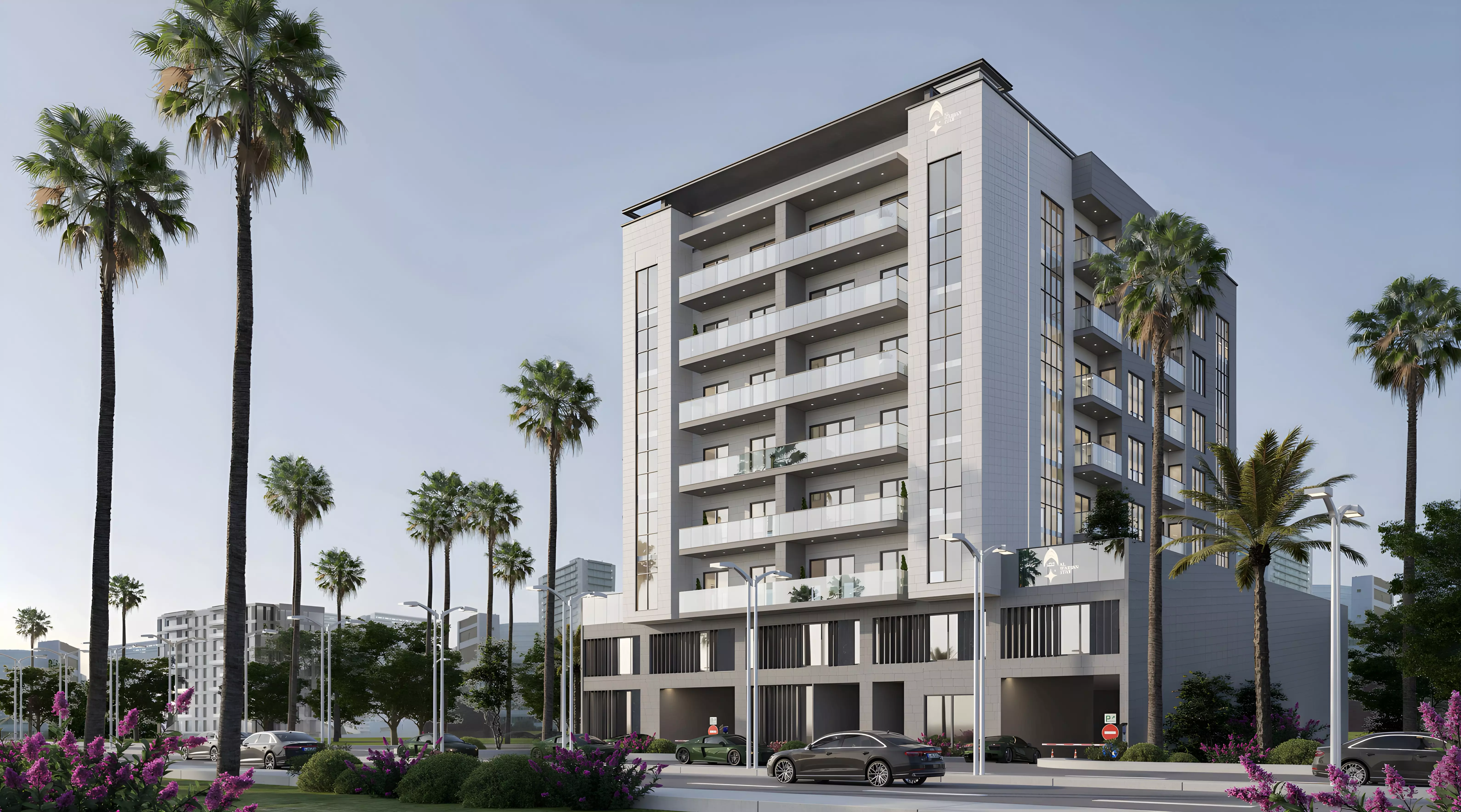
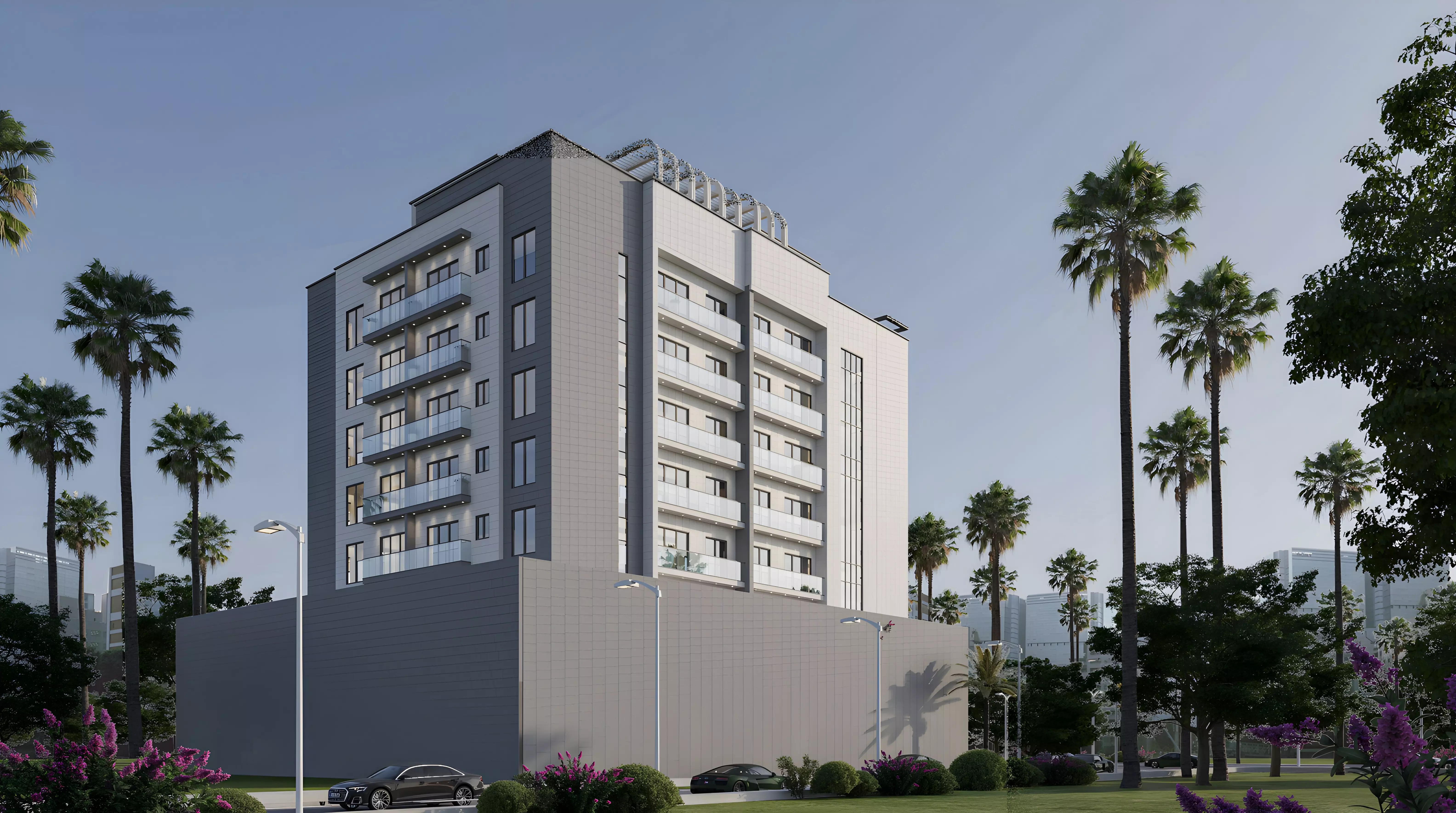
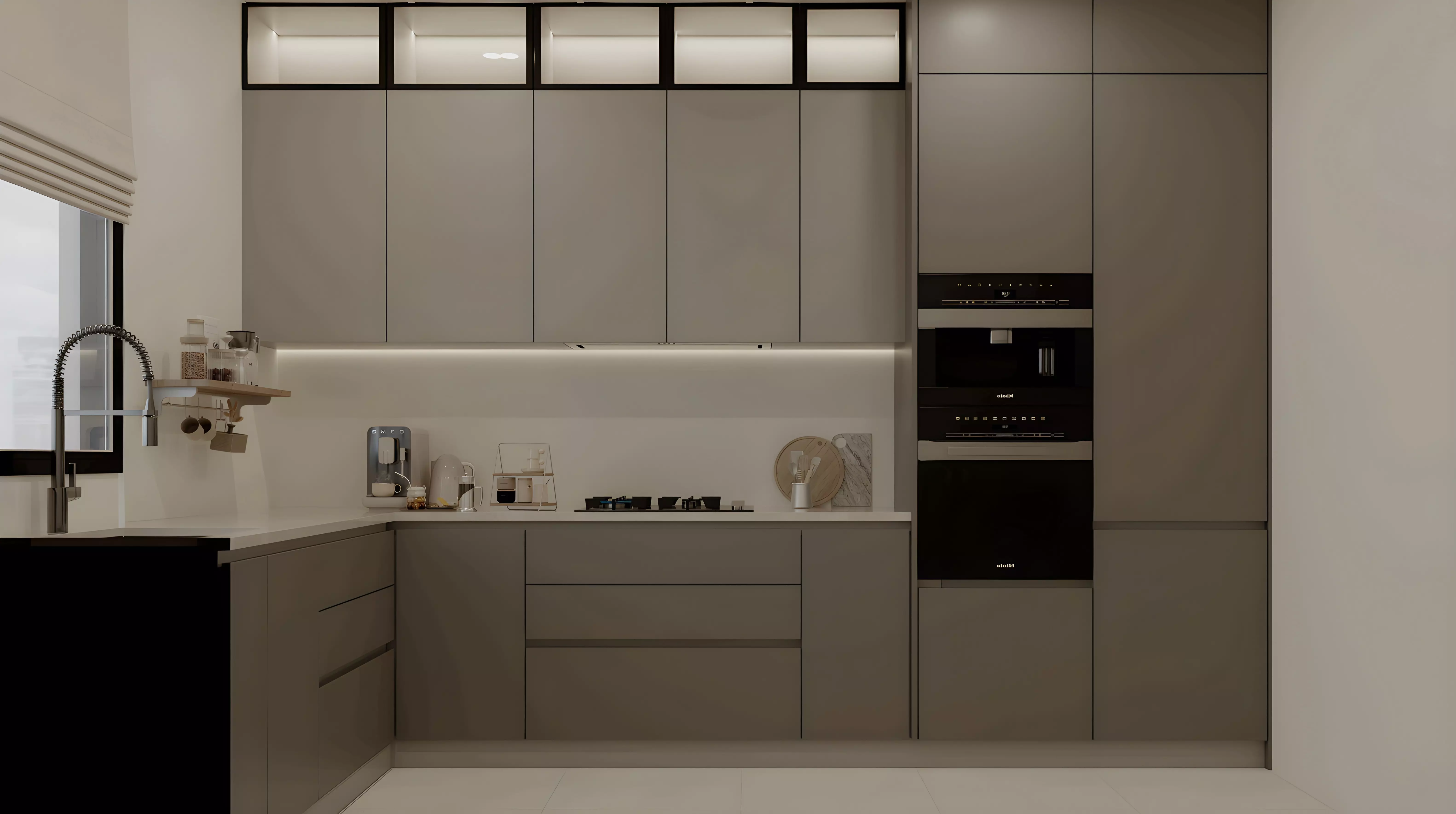
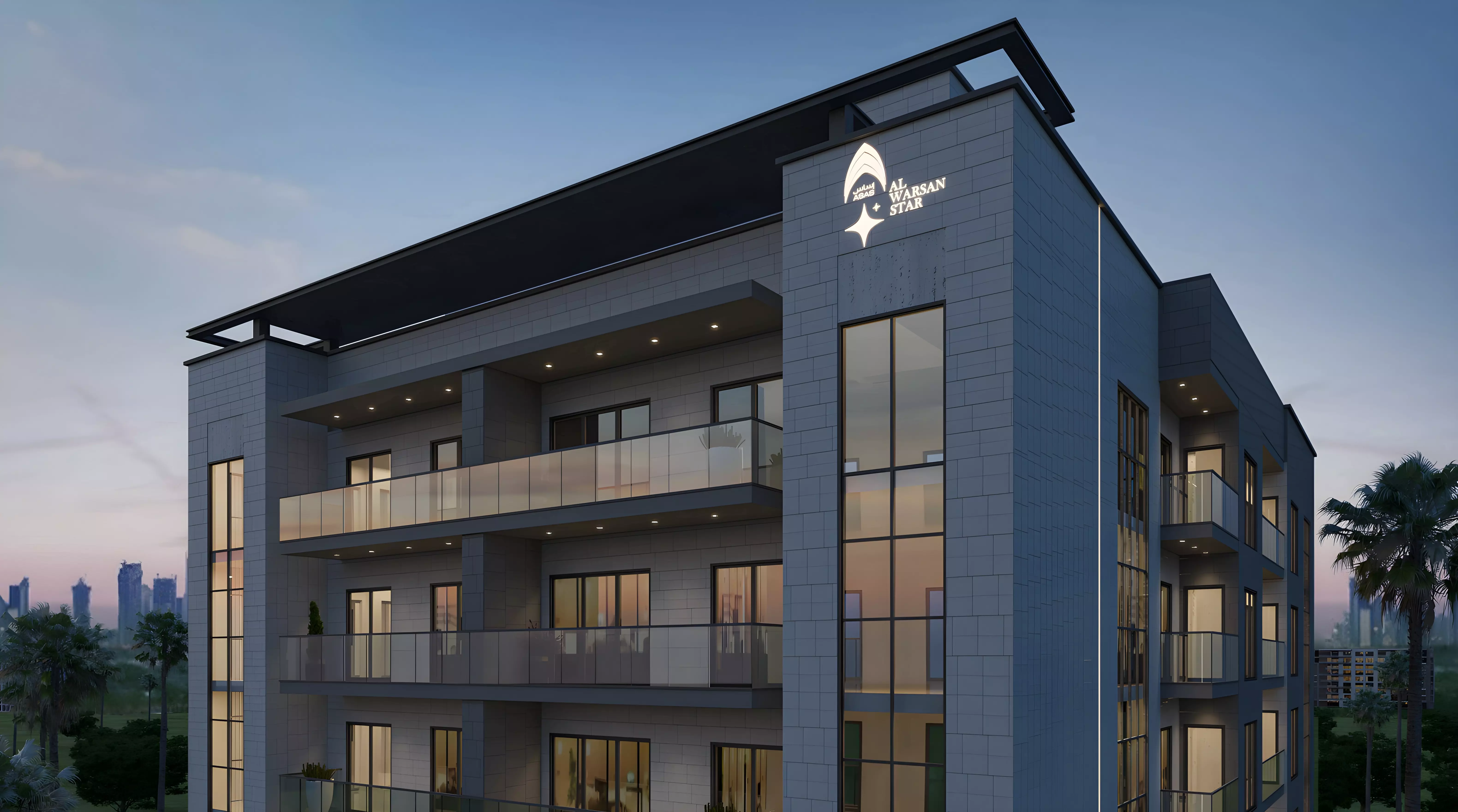
Al Warsan Star: A Straightforward Look at Rose Homes' International City Play
Who Built It and What You're Looking At
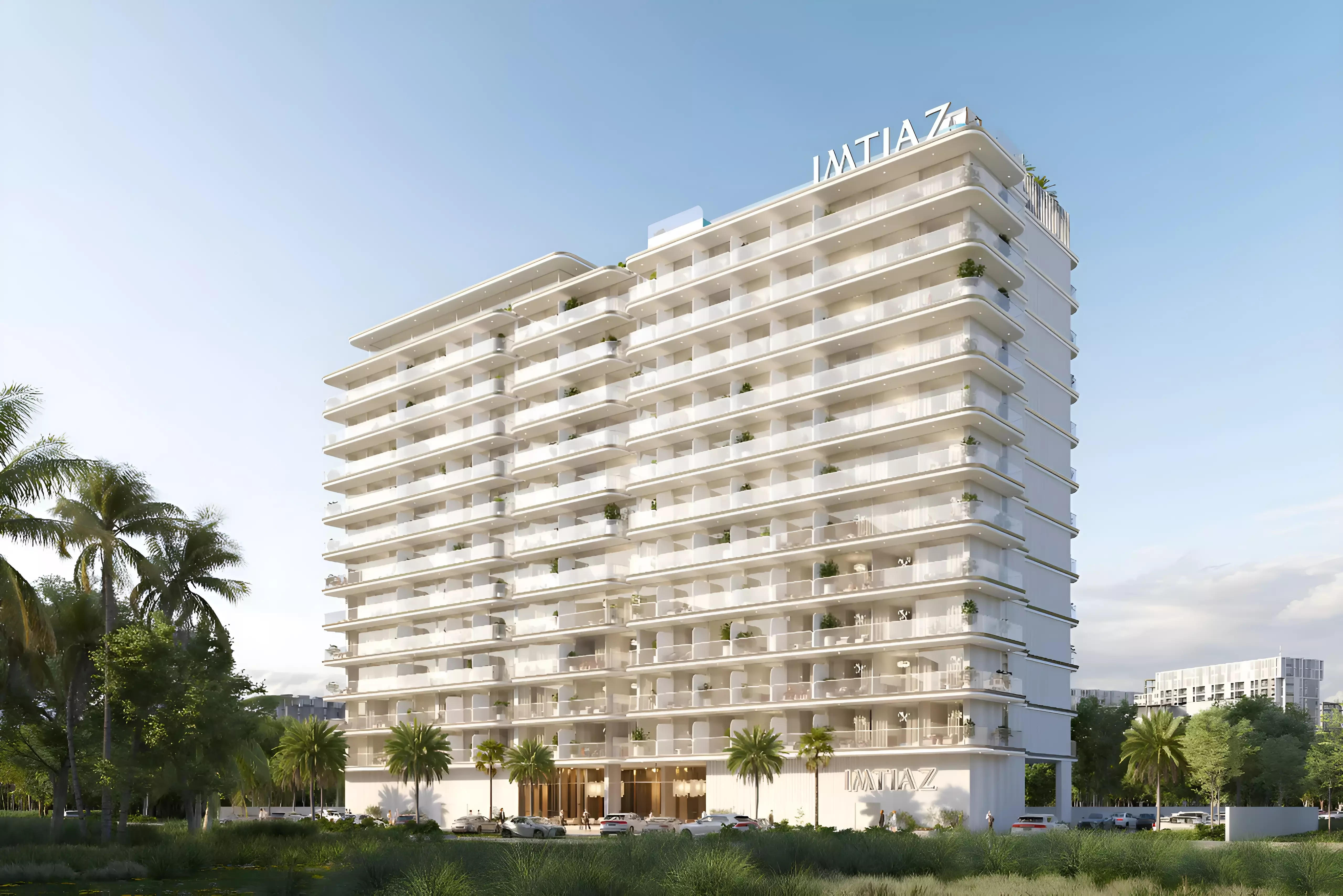
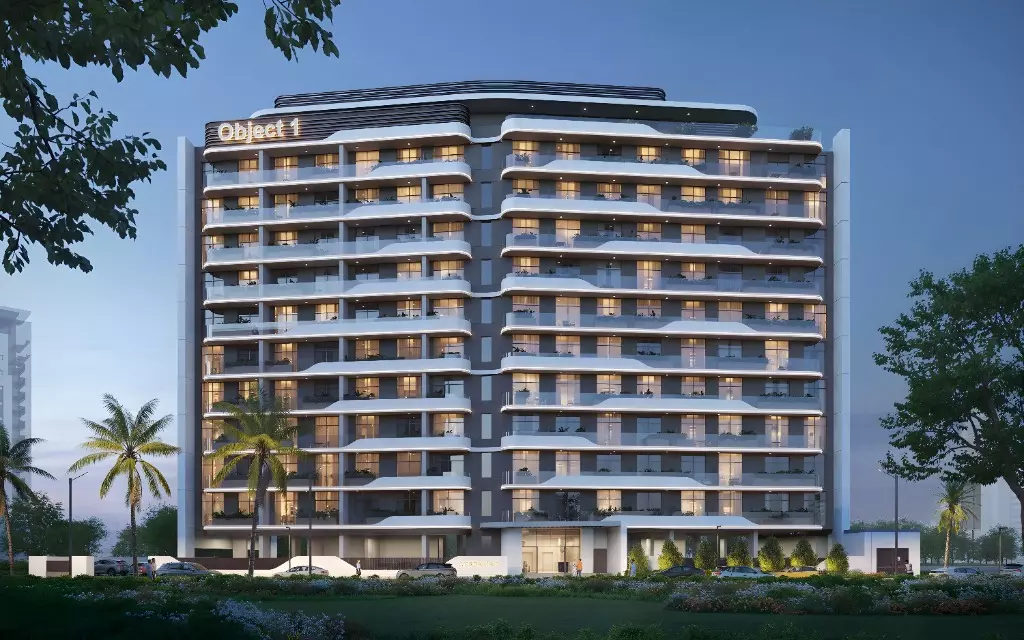
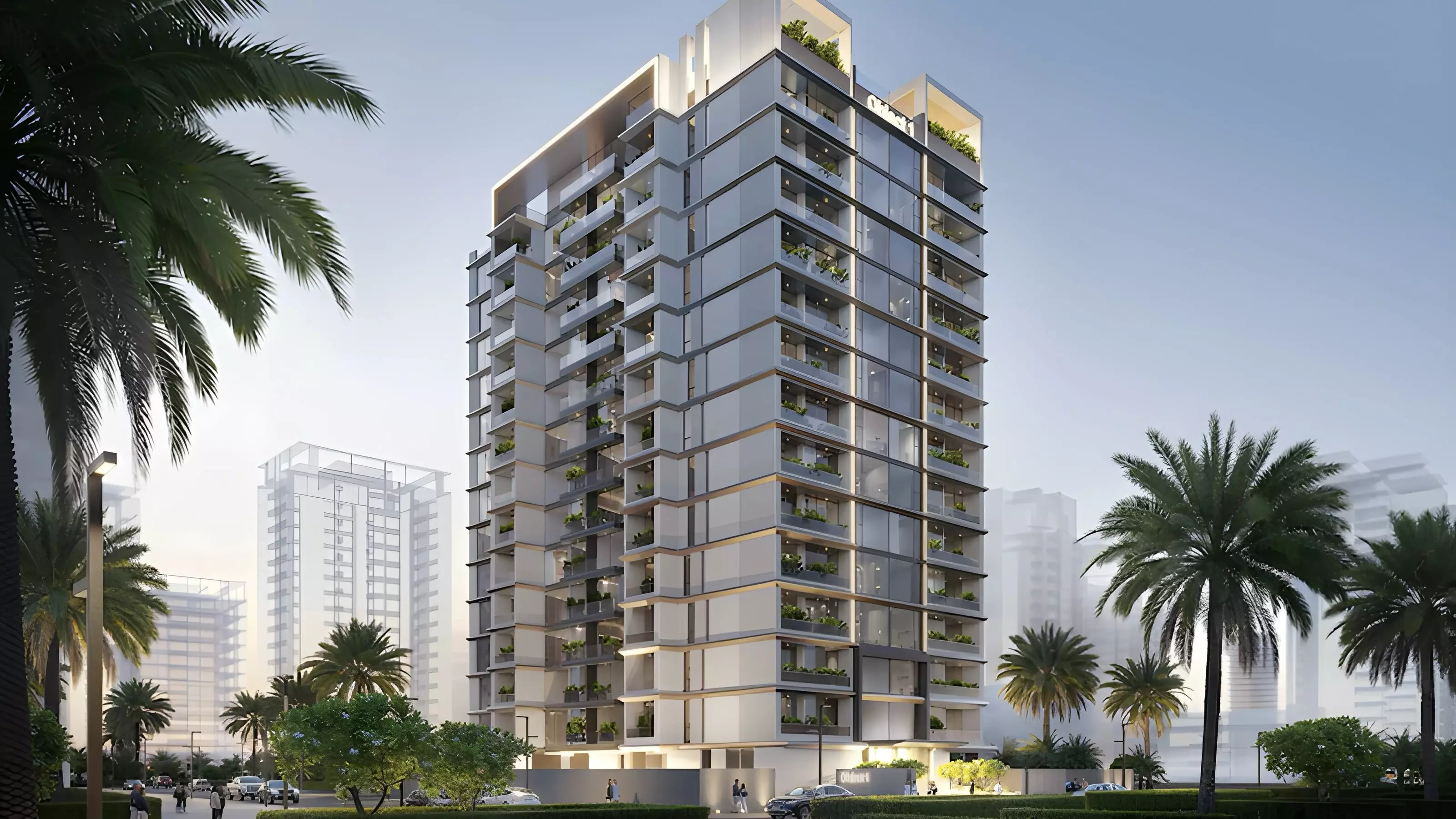
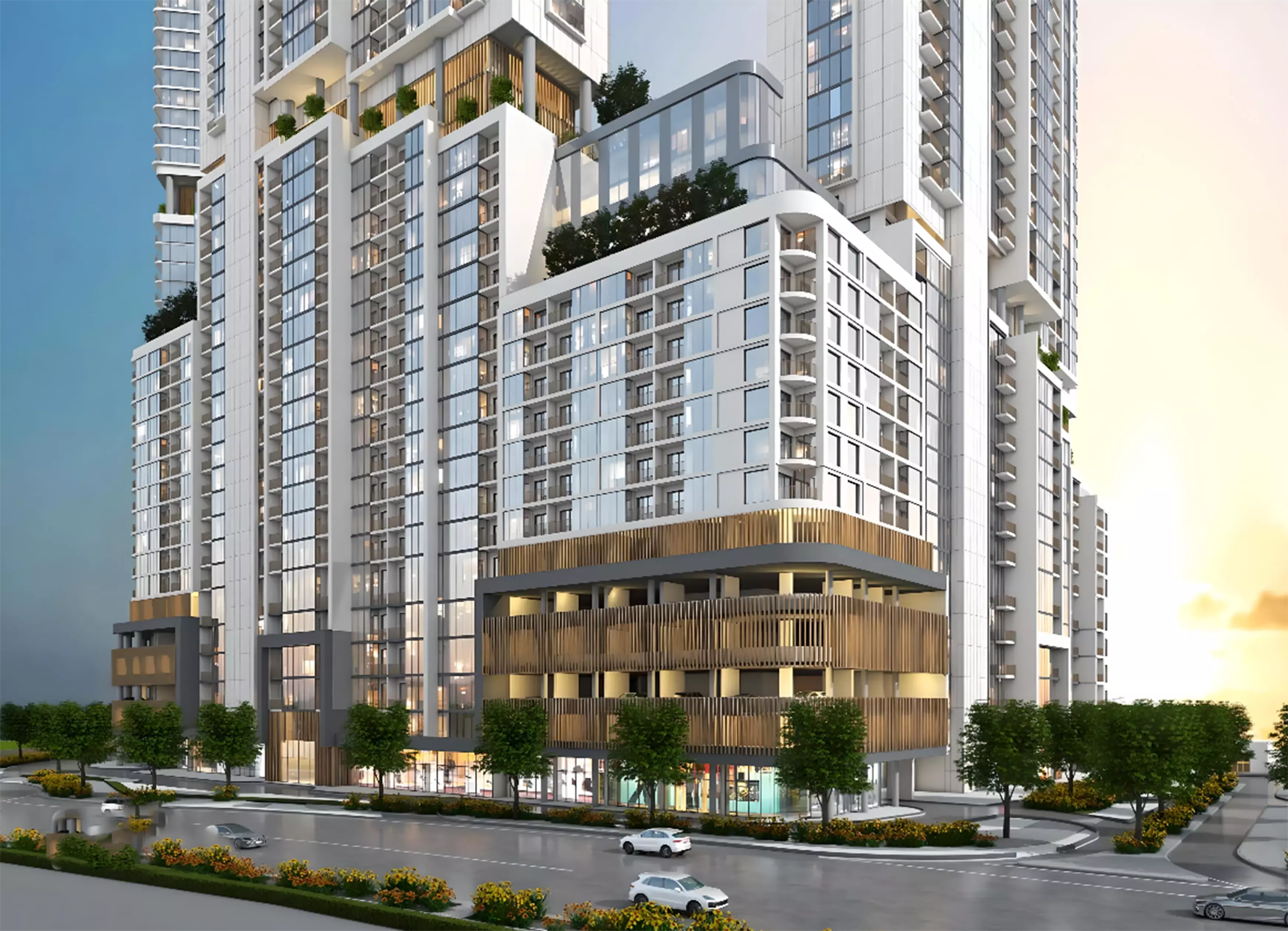
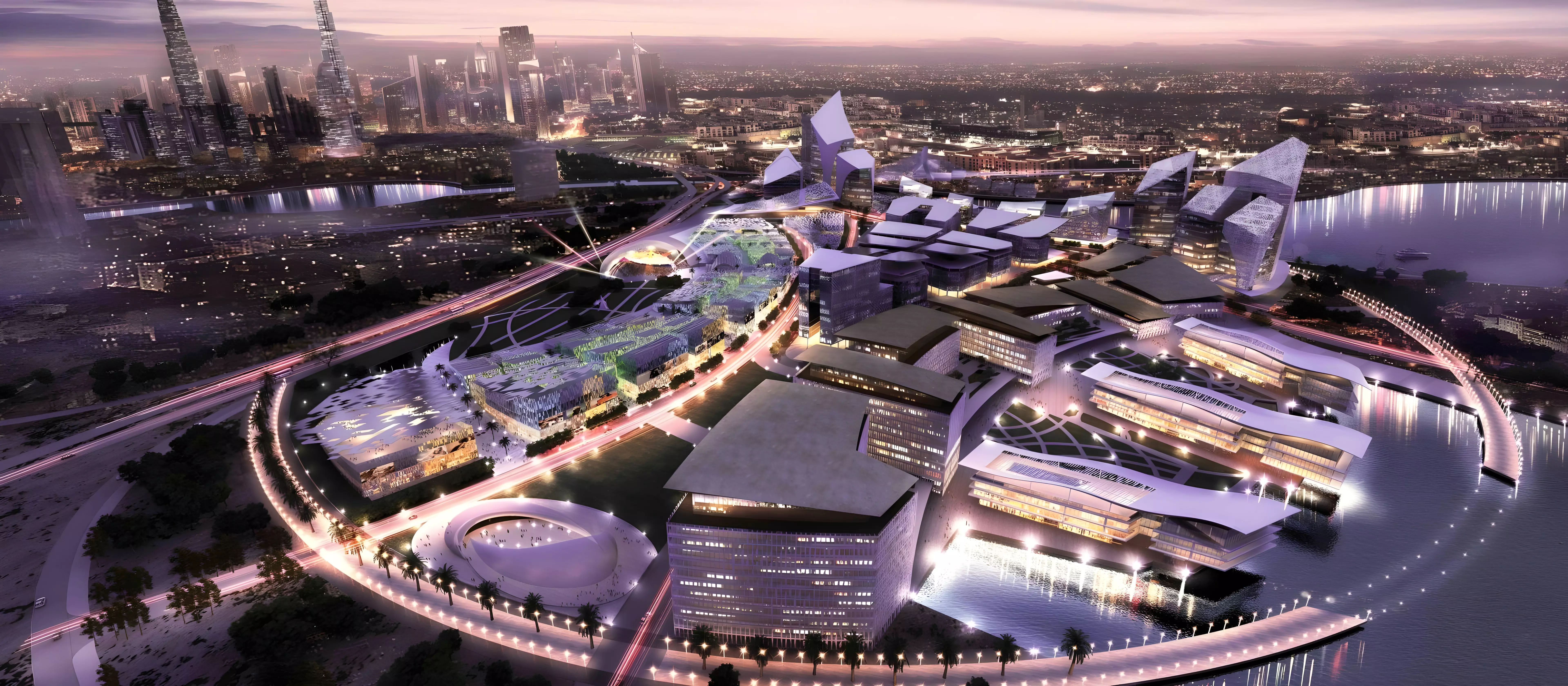
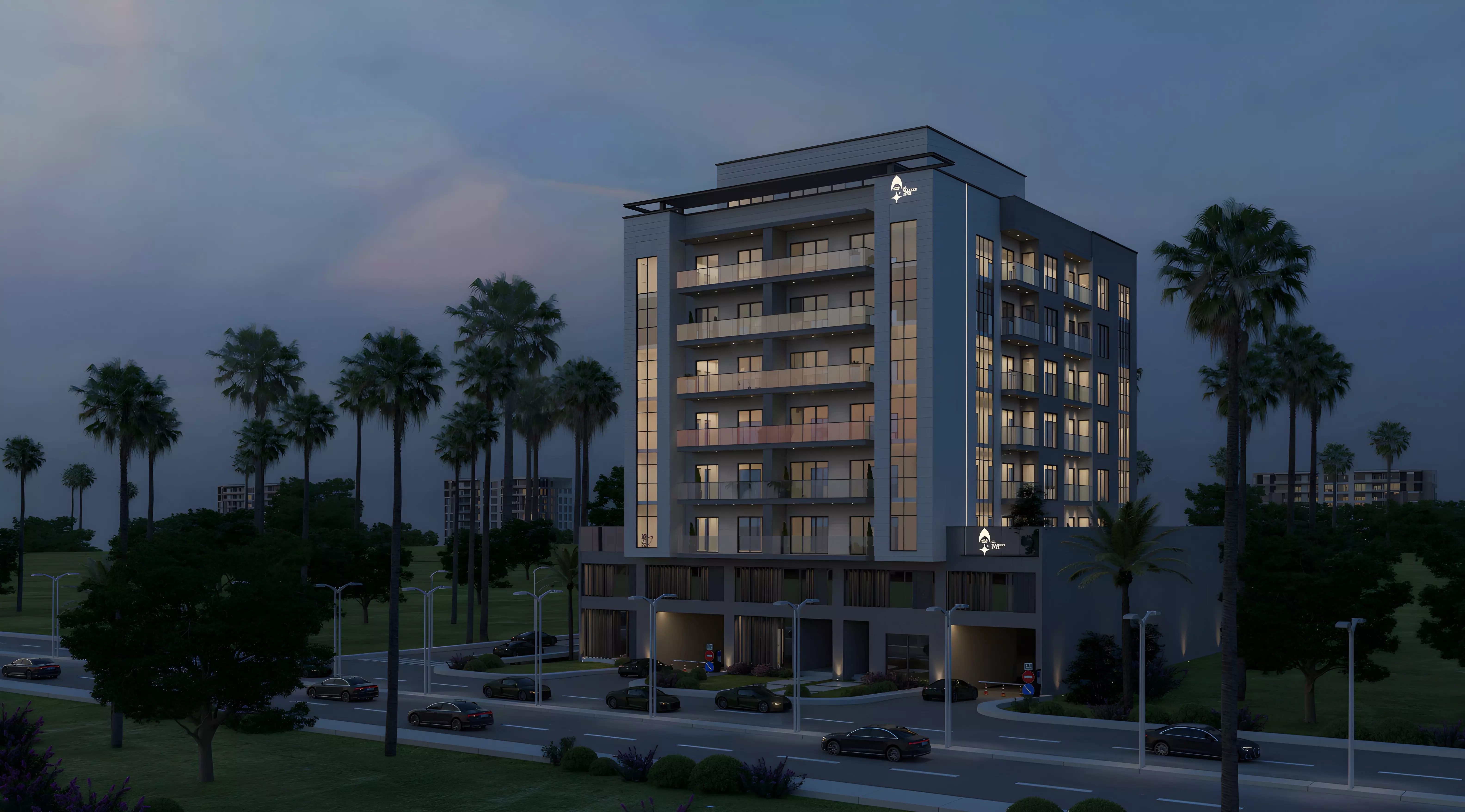
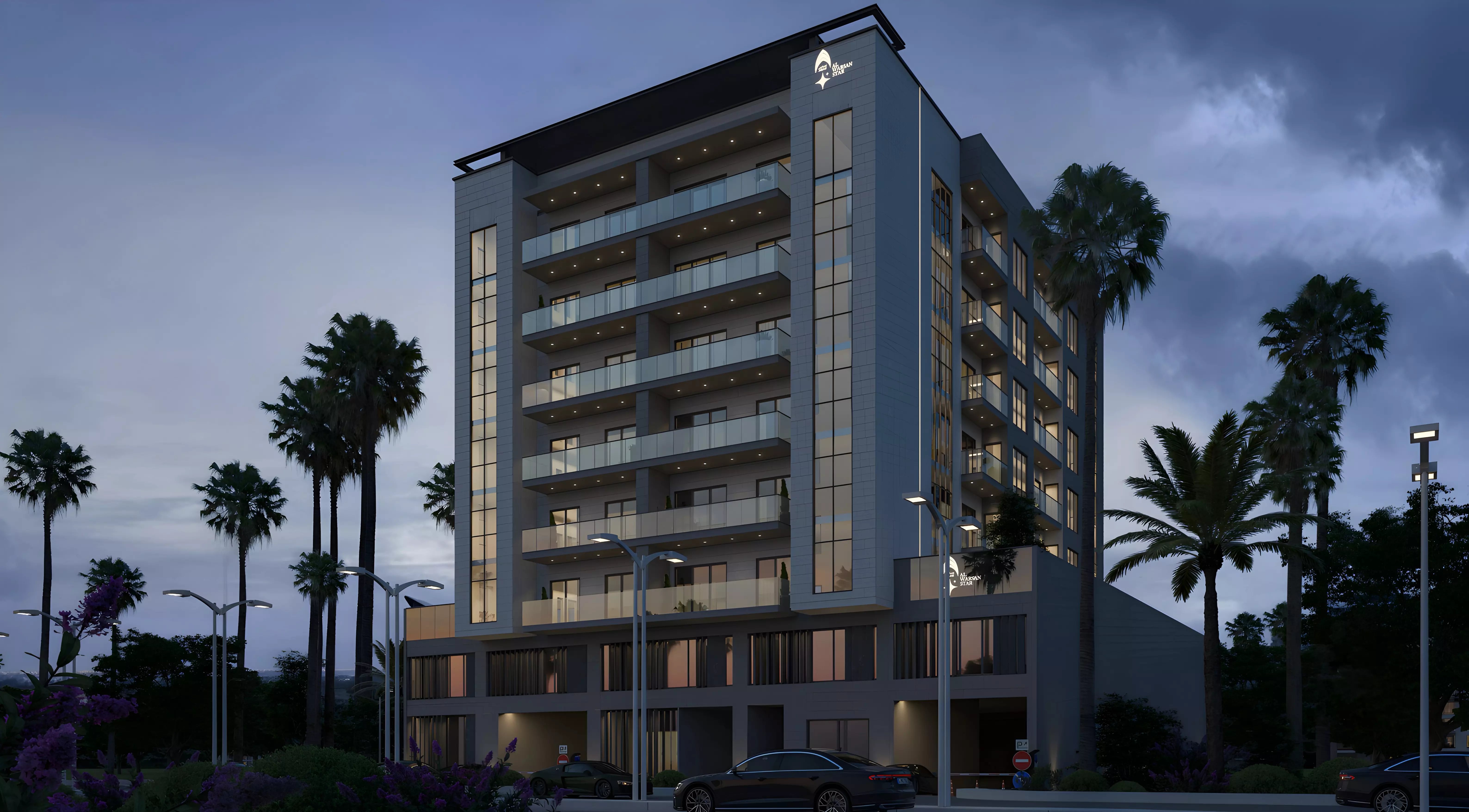
Al Warsan Star is a residential apartment project by Rose Homes Investment, located in International City, Dubai. Rose Homes is a smaller developer working in one of Dubai's most price-accessible districts. This isn't a luxury play. It's a project aimed squarely at buyers who want to own in Dubai without stretching to Downtown prices, and at investors who want rental yield over capital appreciation fireworks.
The project broke ground in October 2025 and targets completion in February 2027. That gives a buyer entering now roughly 22 months of construction ahead. For an off-plan buyer, that's a reasonable horizon, not too short to miss the payment runway and not so long that market conditions become hard to read.
What International City Actually Means for a Buyer
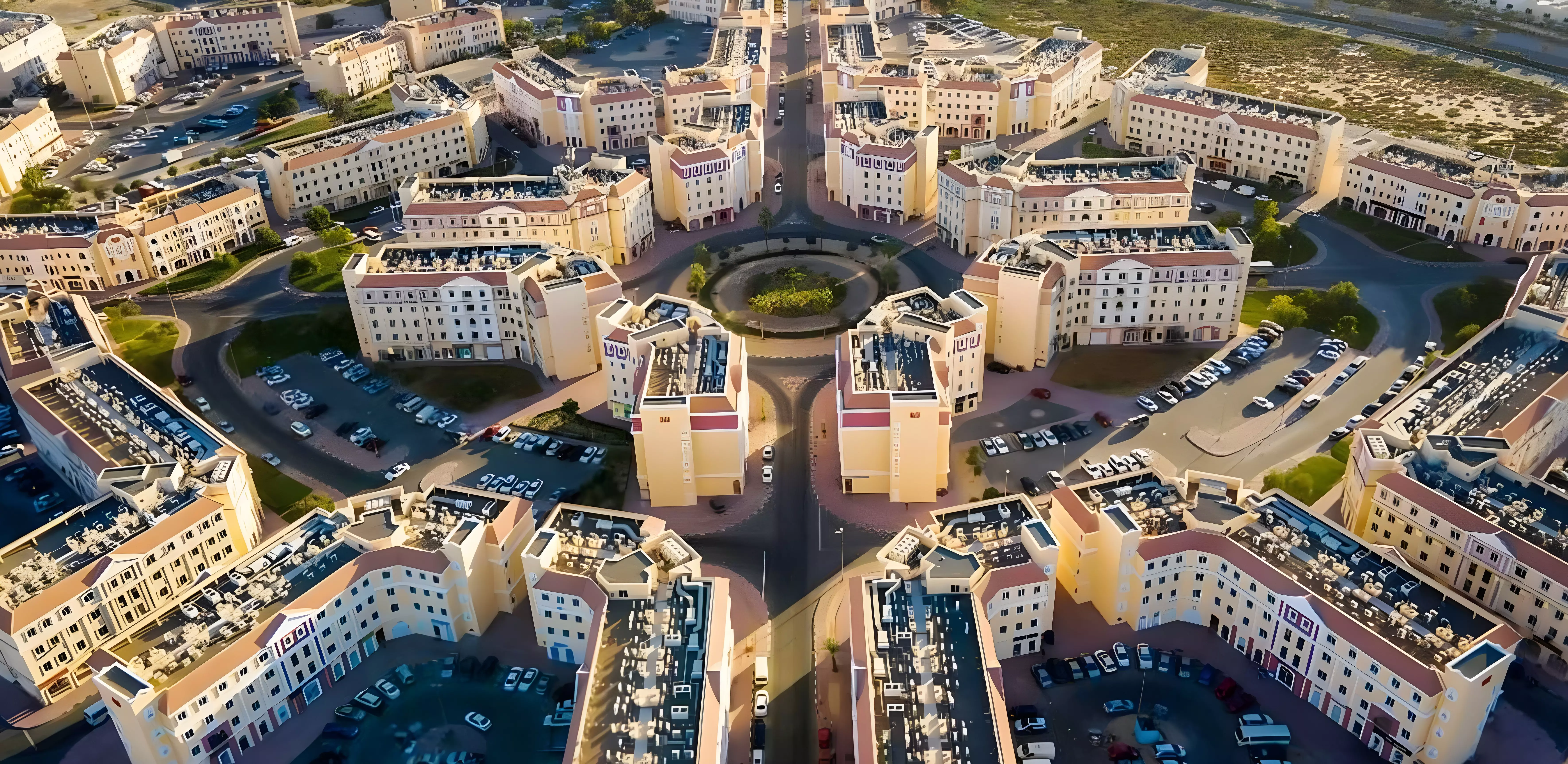
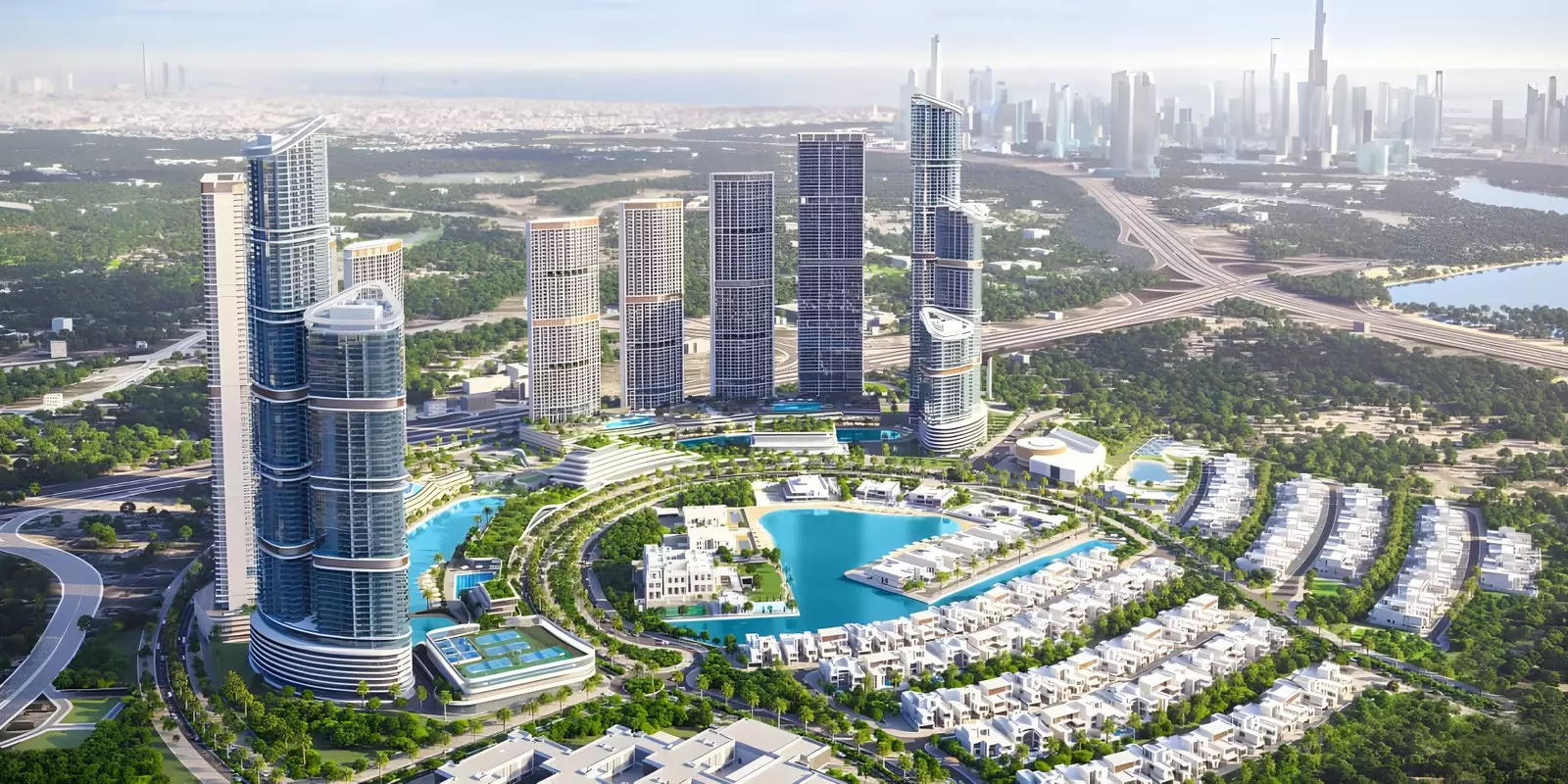
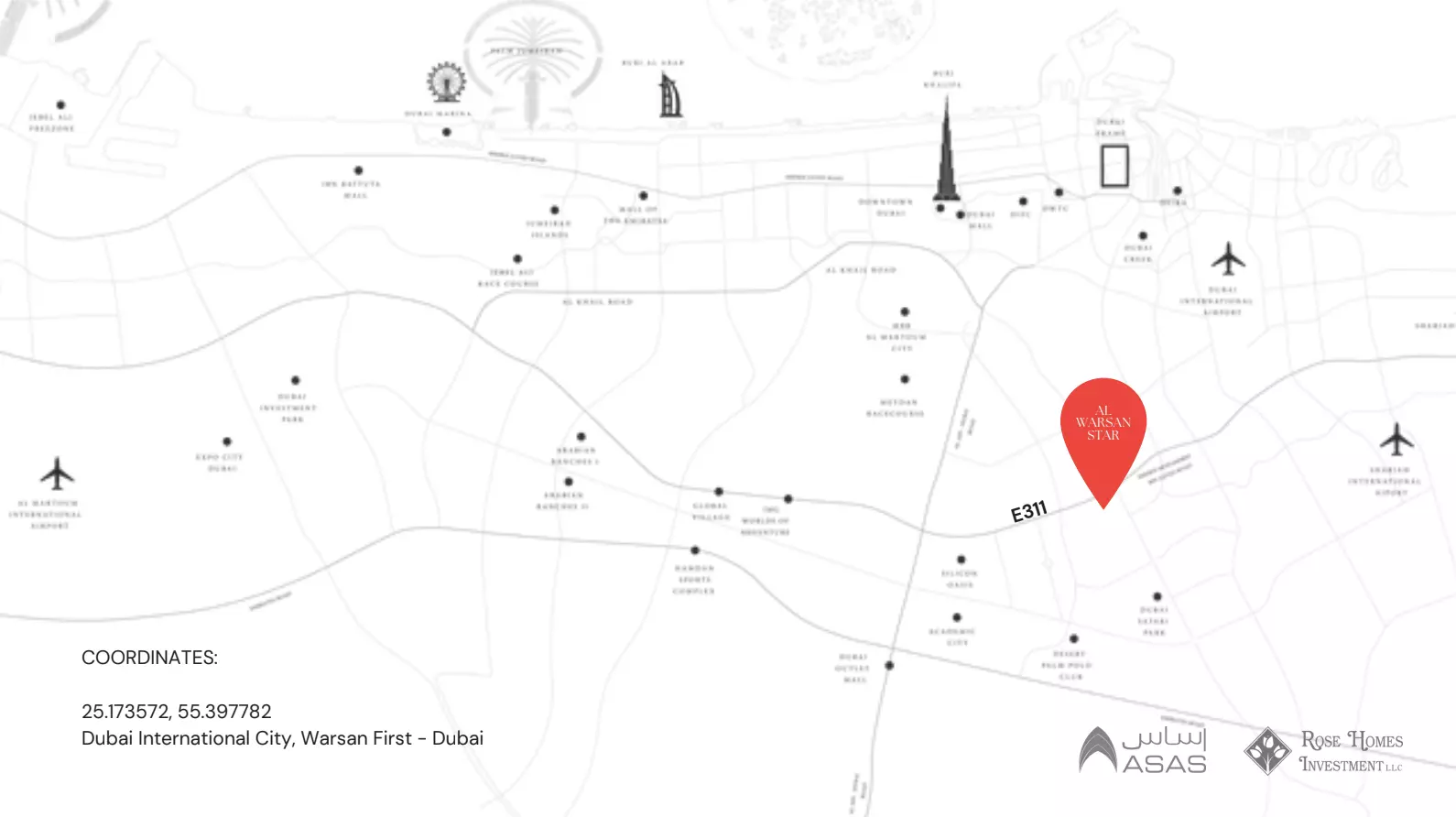
International City sits in the eastern corridor of Dubai, beyond Mirdif and close to the Warsan area. It's not a prestige address. But that's not the point. The district has one of the strongest gross rental yield profiles in the city, regularly cited among the top performers for smaller apartments. Tenants here are typically mid-income professionals and families who want affordable, well-connected housing without paying for a marina view.
Practically speaking, residents have access to Dragon Mart nearby, which covers retail and dining without needing to drive to a mall. Road connections to Al Khail Road and Sheikh Mohammed Bin Zayed Road put most of the city within 25 to 35 minutes. There's no metro station in International City itself, so car ownership or ridesharing is part of life here. If that's a deal-breaker, be honest with yourself before going further.
For investors, the area's low entry prices and consistent tenant demand make it a cash-flow story rather than a flip story. Buy-to-let buyers tend to do well here. End-users who want the same square footage they'd get elsewhere for significantly more money also find it makes sense.
What the Price Range Tells You
Pricing runs from AED 798,000 to AED 1,460,000. That's a spread of roughly AED 662,000 across a single project, which warrants some explanation.
At the lower end, you're likely looking at one-bedroom apartments, possibly compact ones on lower floors or with less favourable orientations. At the upper end, you're probably looking at two-bedroom units, larger layouts, or higher floors. In International City context, AED 1.46M for a two-bedroom is at the higher end of what the district commands, so buyers considering that range should scrutinise the specific unit carefully and compare against ready stock in the area before committing.
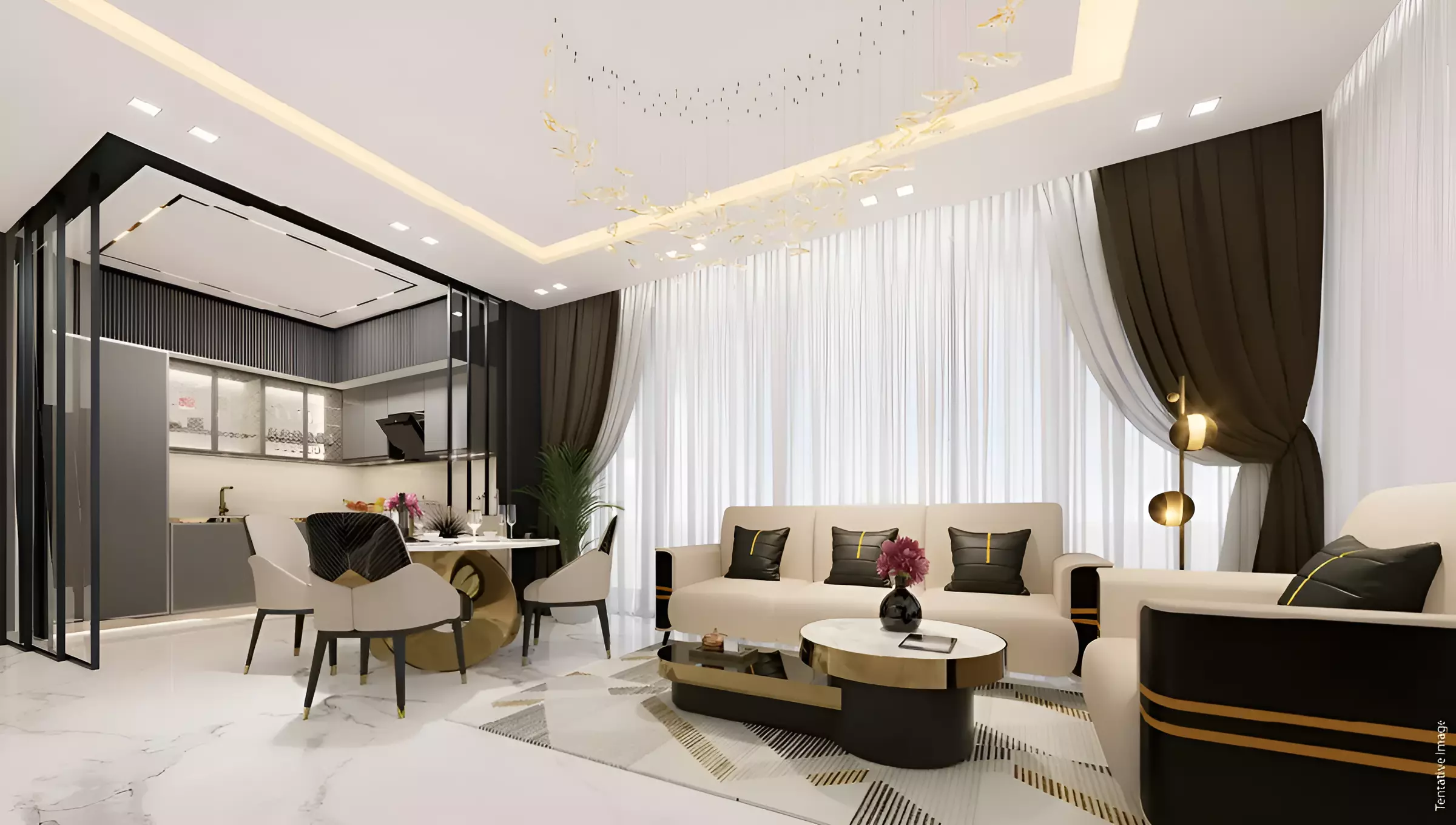
The AED 798K entry point is competitive. A buyer at that level is getting a brand-new apartment with a post-handover payment plan in a district where rental income can realistically service part of the ongoing cost.
The Amenity Set and What It Says
| Theme | Amenities |
|---|---|
| Fitness and Leisure | Indoor Swimming Pool, Gymnasium |
| Outdoor and Family | Landscaped Gardens, Children's Play Area |
| Dining | Restaurants |
| Security | CCTV Security |
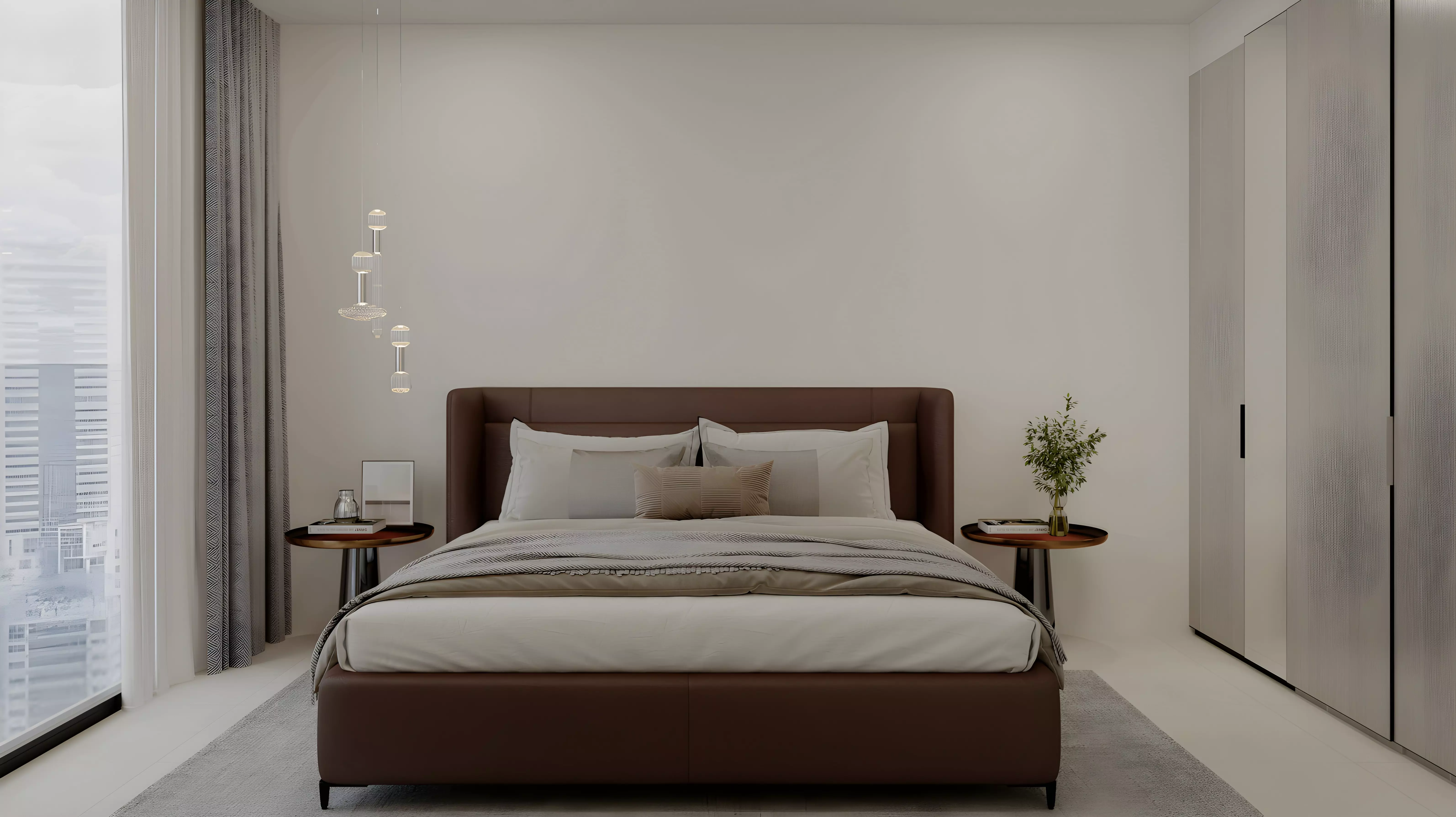
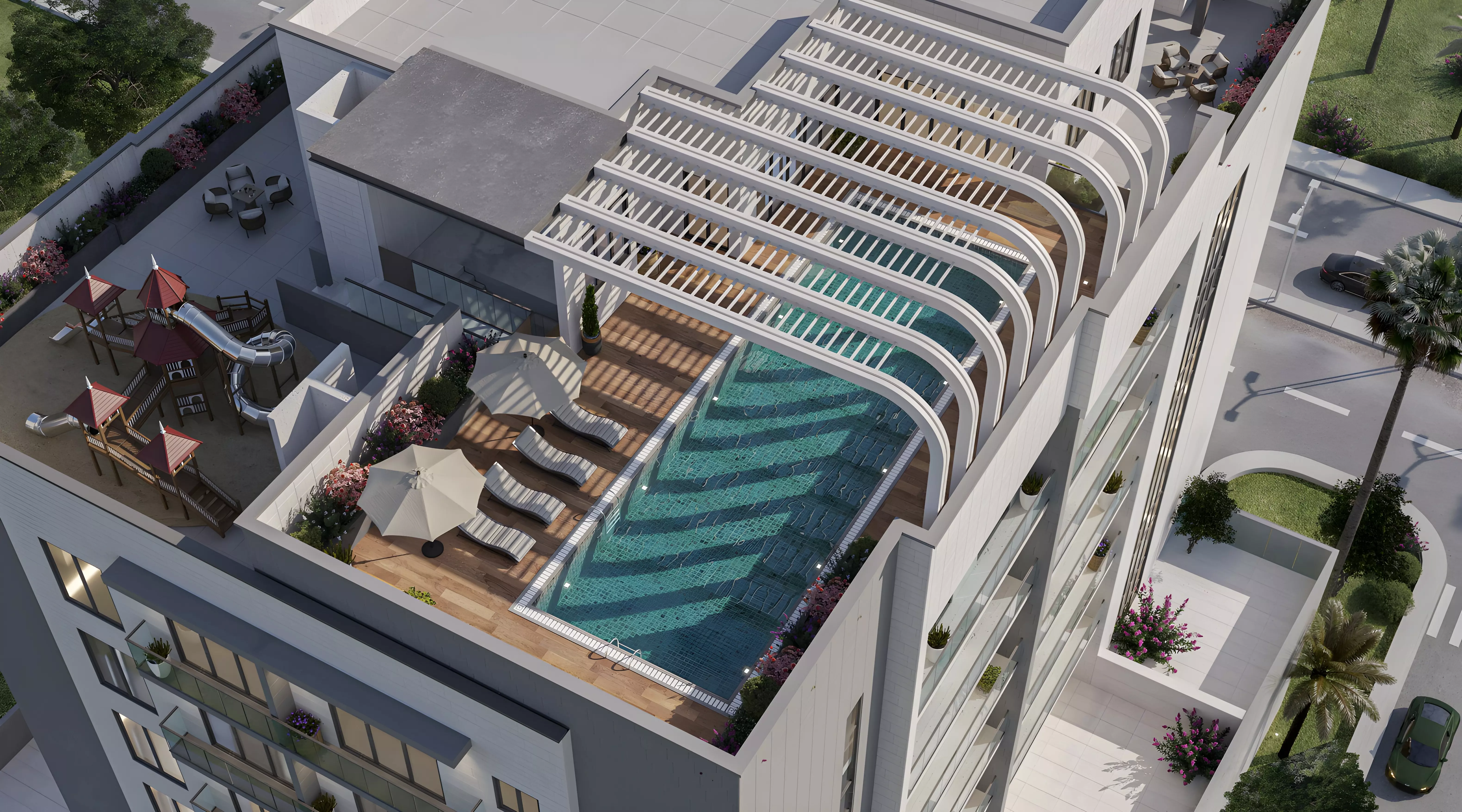
The indoor pool is worth flagging. In a project at this price point, covered pool access is not a given, and it extends usability across Dubai's hotter months. The presence of an on-site restaurant adds day-to-day convenience that mid-income renters genuinely value.
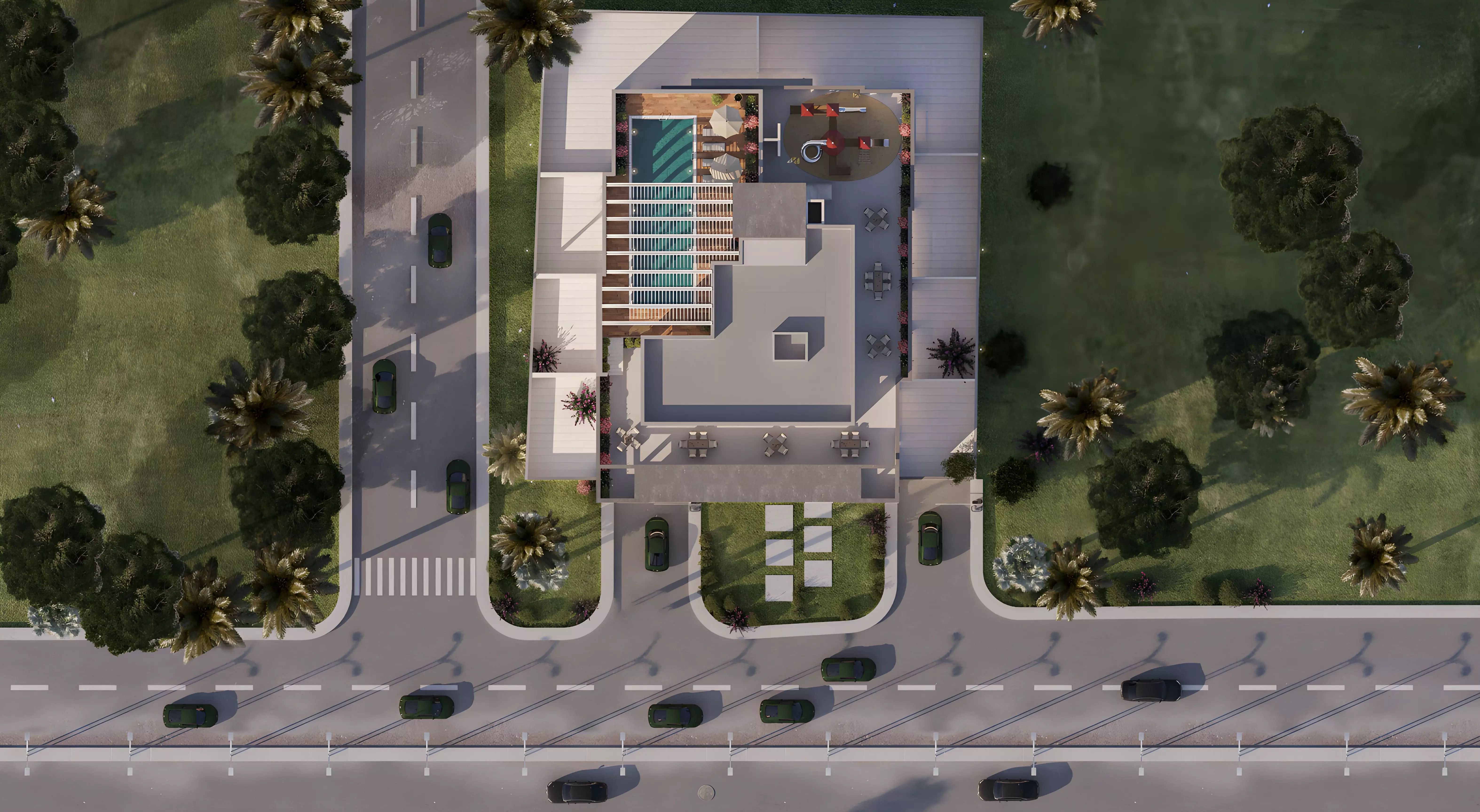
Overall, the amenity set signals a family-friendly building rather than a lifestyle-branded tower. It's practical, it covers the bases, and it will appeal to tenants with children. That's consistent with who actually rents in International City.
Getting In With 20% Down
| Stage | Percentage |
|---|---|
| Down Payment | 20% |
| During Construction | 40% |
| On Handover | 10% |
| Post Handover | 30% |
A 20% down payment is fairly standard for Dubai off-plan, so no particular advantage there. What does stand out is the 30% post-handover portion. That's meaningful. It means a buyer doesn't need to have the full purchase price available at handover, which takes pressure off the cash flow moment when many investors are also thinking about furnishing and finding a tenant.
For a buy-to-let investor, this structure is practical. Rental income can start covering costs while the final 30% is paid down. For an end-user, it eases the transition from paying rent elsewhere while also servicing a mortgage or instalment plan.