
Projects in Siniyah Island
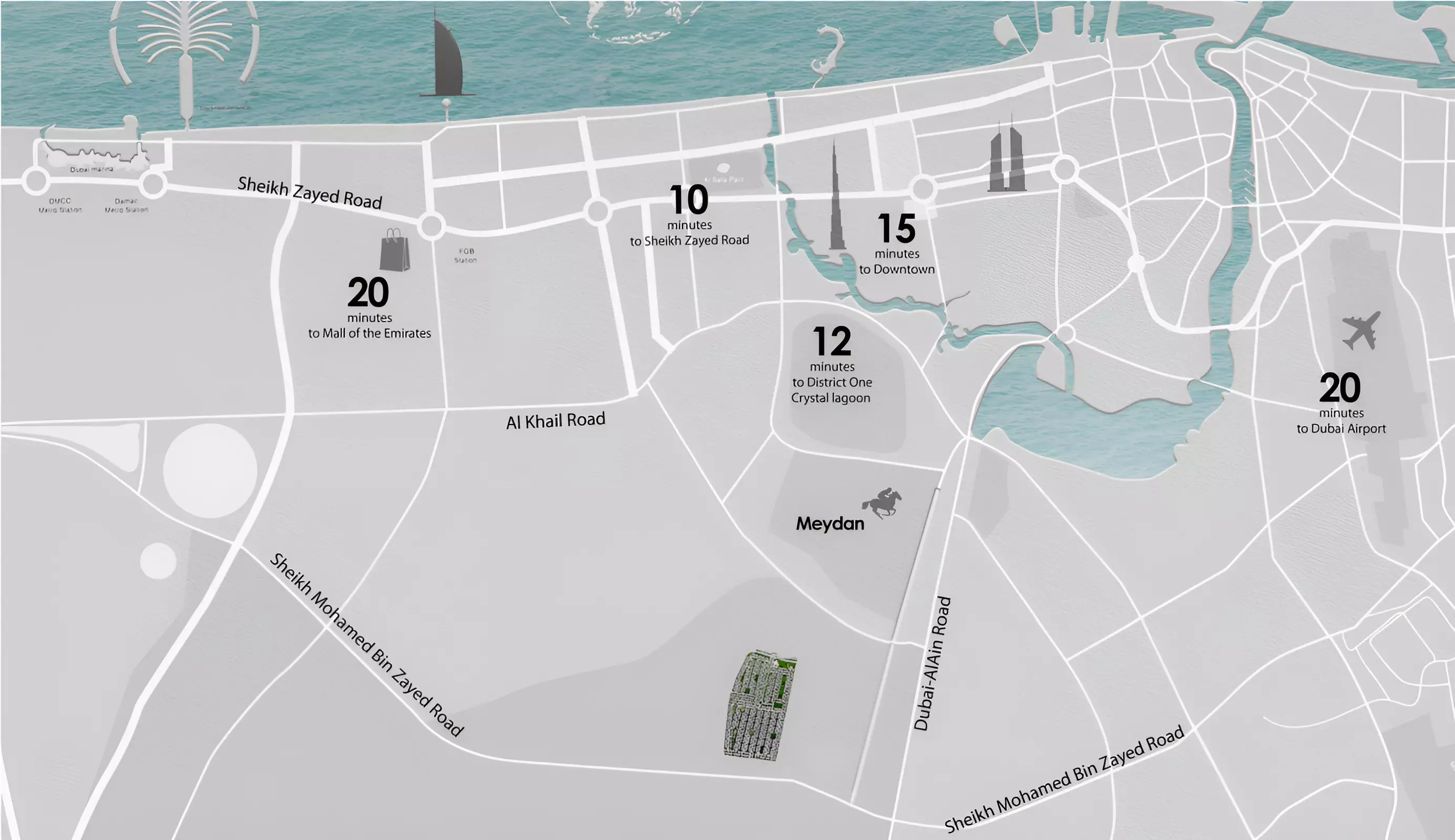
View on map
AED 1.4M
AED 1.2M
AED 1.3M
AED 750K
AED 2M
AED 1.3M
AED 1.4M
AED 1.5M
AED 1.4M
AED 1.4M
A Single Developer's Waterfront Build-Out: New Projects in Siniyah Island
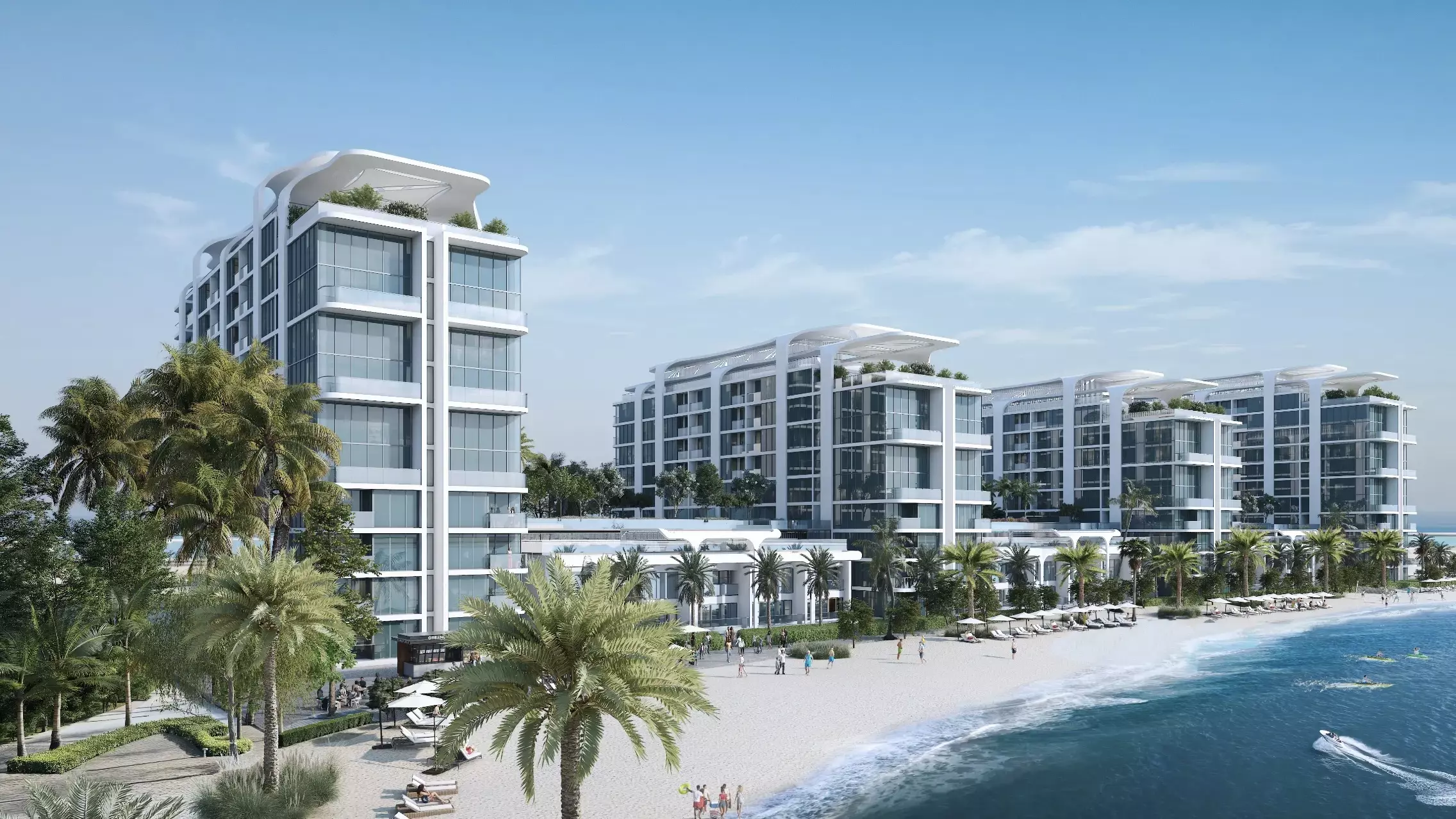
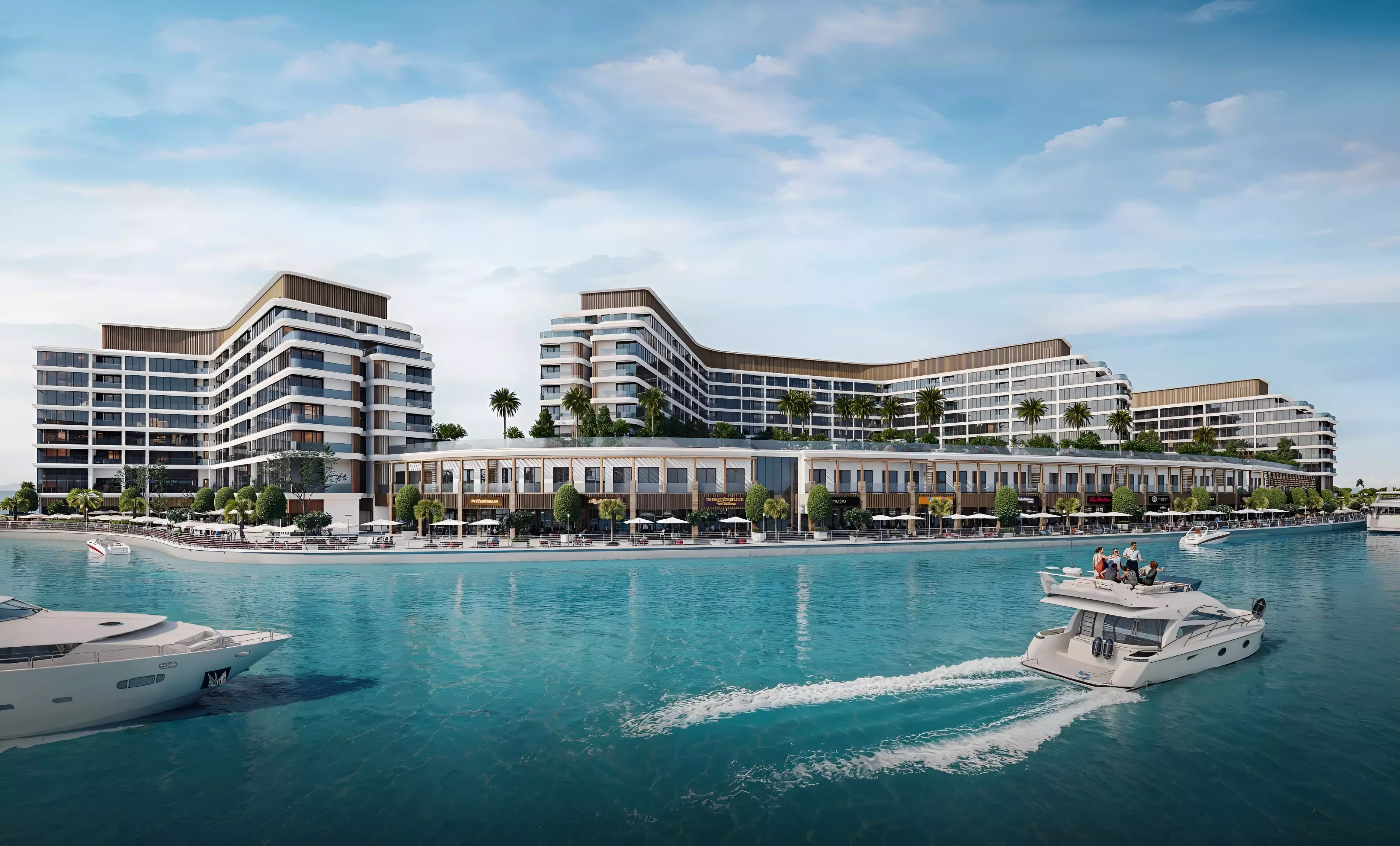
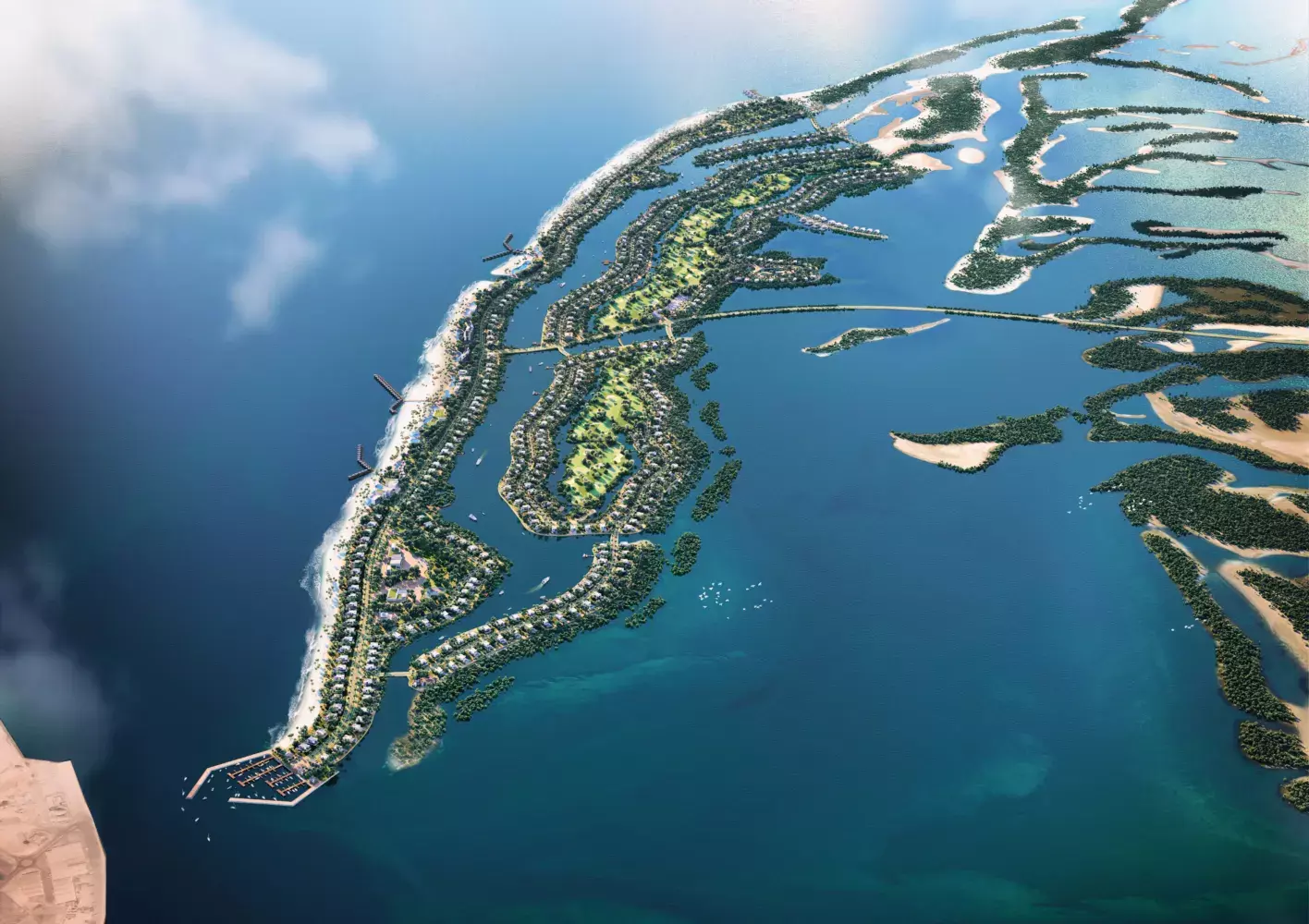
Siniyah Island sits within Umm Al Quwain Marina and represents one of the more concentrated development plays in the Northern Emirates. With 21 projects across the island, all delivered by one developer, this is a master-planned community in active execution. The product mix, pricing tiers, and community infrastructure all trace back to one development vision rather than a competing field of builders.
Sobha Realty is the sole developer here. That concentration carries a clear implication for buyers: construction standards and timeline commitments are consistent across the island, but so is the resale pool. When every unit on the island carries the same brand, differentiation between properties depends more on floor level, orientation, and handover timing than on developer reputation. Buyers looking for variety across builder names will not find it here, but those who want a coherent community with predictable delivery are buying into exactly that.
Where AED 1.4M Is the Median
Prices on Siniyah Island run from AED 750,000 to AED 27,000,000. The median sits at AED 1,404,556, which anchors the apartment inventory as the reference point for most buyers entering this market.
The upper end of the range connects to the villa segment, where larger waterfront positions push values far beyond the median. That spread is structural rather than a signal of volatility. It separates the entry-level apartment tier from high-end standalone villas, with duplexes sitting in between. Both ends of the market coexist on the same island, but they serve different buyer profiles entirely.
Three Product Types, One Island
| Property Type | Projects |
|---|---|
| Apartment | 15 |
| Duplex | 7 |
| Villa | 6 |
Apartments make up the largest share of the inventory at 15 projects, making Siniyah Island accessible to investors and owner-occupiers working near the median price point. The 7 duplex projects occupy the middle tier and attract buyers who want more space than a flat but are not committing to villa pricing. The 6 villa projects represent the top end, likely waterfront plots with private access, targeting buyers who want a standalone home on an island address rather than a managed building.
Beach Access, Restaurants, and Security Throughout
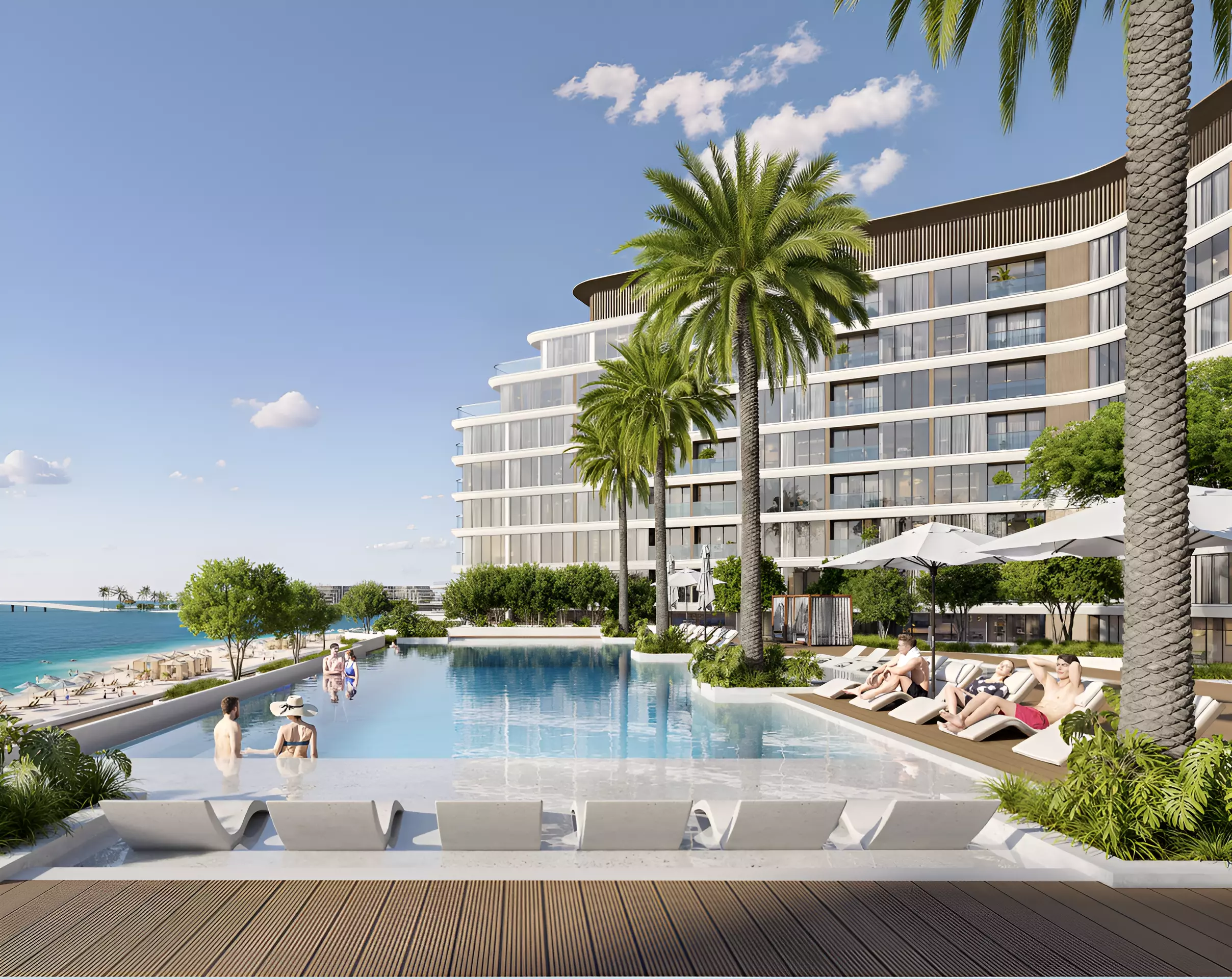
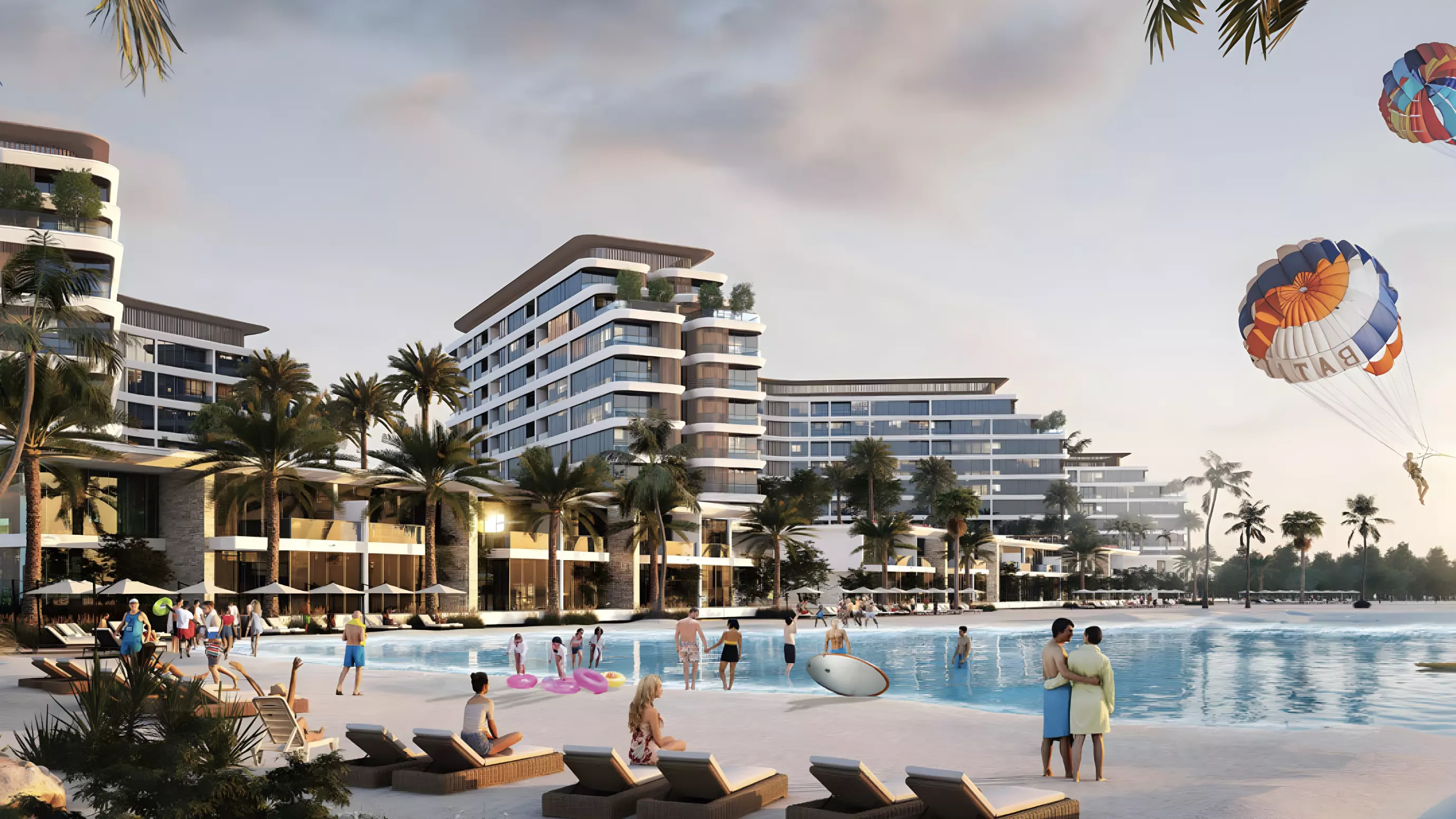
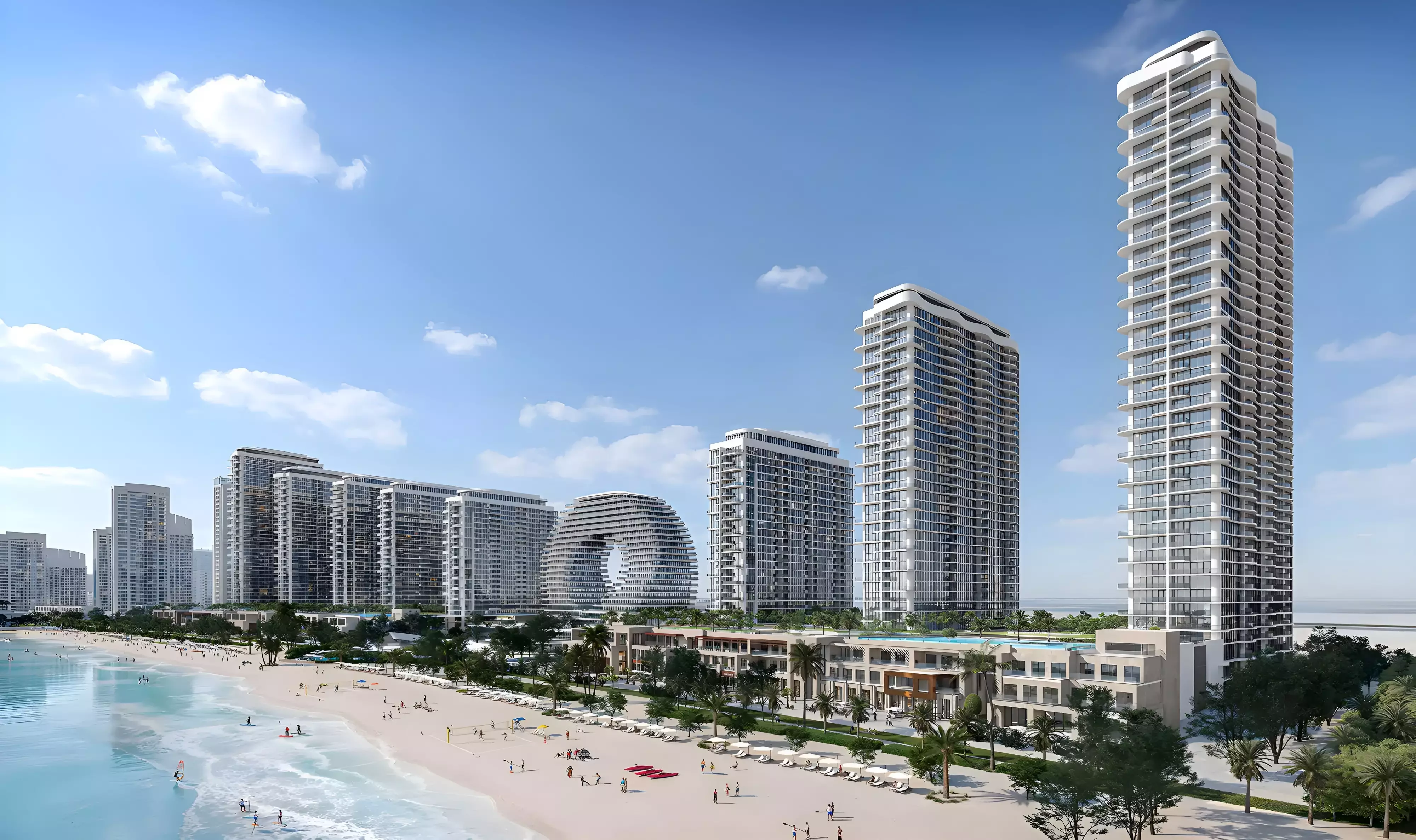
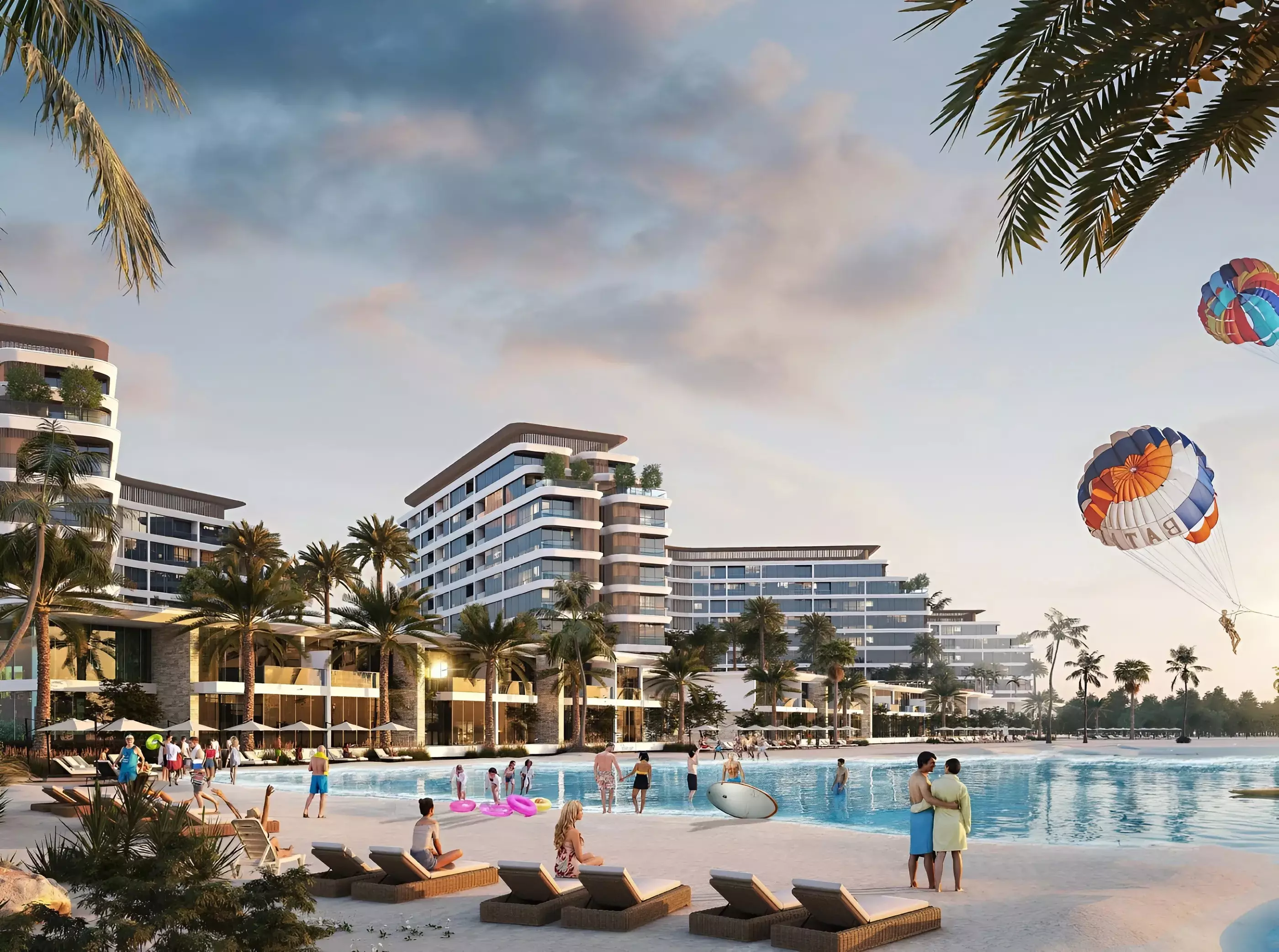
The amenity pattern points clearly to a resort-residential model. Beach access, infinity pools, restaurants, and retail facilities appear across the island's projects, building an environment where residents are not dependent on leaving the community for daily needs or leisure. The CCTV security infrastructure running throughout adds a managed-community layer that suits part-time residents or investors leasing to tenants who value a secure, maintained setting.
Handover Runs to September 2030
The earliest completions on the island arrive in December 2027. The latest extend to September 2030. For buyers entering now, that is a delivery window of roughly three to four years depending on which project and phase they choose. The spread across that window gives some flexibility on timing. Anyone planning around a specific move-in date should clarify which phase their chosen project sits in rather than assuming all units across the island deliver at the same point.
No post-handover payment plans are available in the current inventory. Entry starts at 10% down, which is a low threshold relative to typical off-plan requirements in this market. The full payment schedule runs through construction rather than extending beyond handover, so buyers should model their cash commitments against the build timeline accordingly.
The named communities across the island include Aquamarine Beach Residences, Coral Beach Villas, Bayfront Marina Residences, Delphine Beach Residences, and Yachtside Marina Residences, among others. The naming conventions divide clearly between beach-facing and marina-facing positions, which reflects how the island's product range has been segmented. Buyers comparing units across communities should weigh that orientation difference, as it will affect both the daily environment and the eventual resale appeal to specific buyer profiles.