
Cuba by Damac: Townhouses and Villas in DAMAC Islands, Dubai Land
Who Built This and What It Is
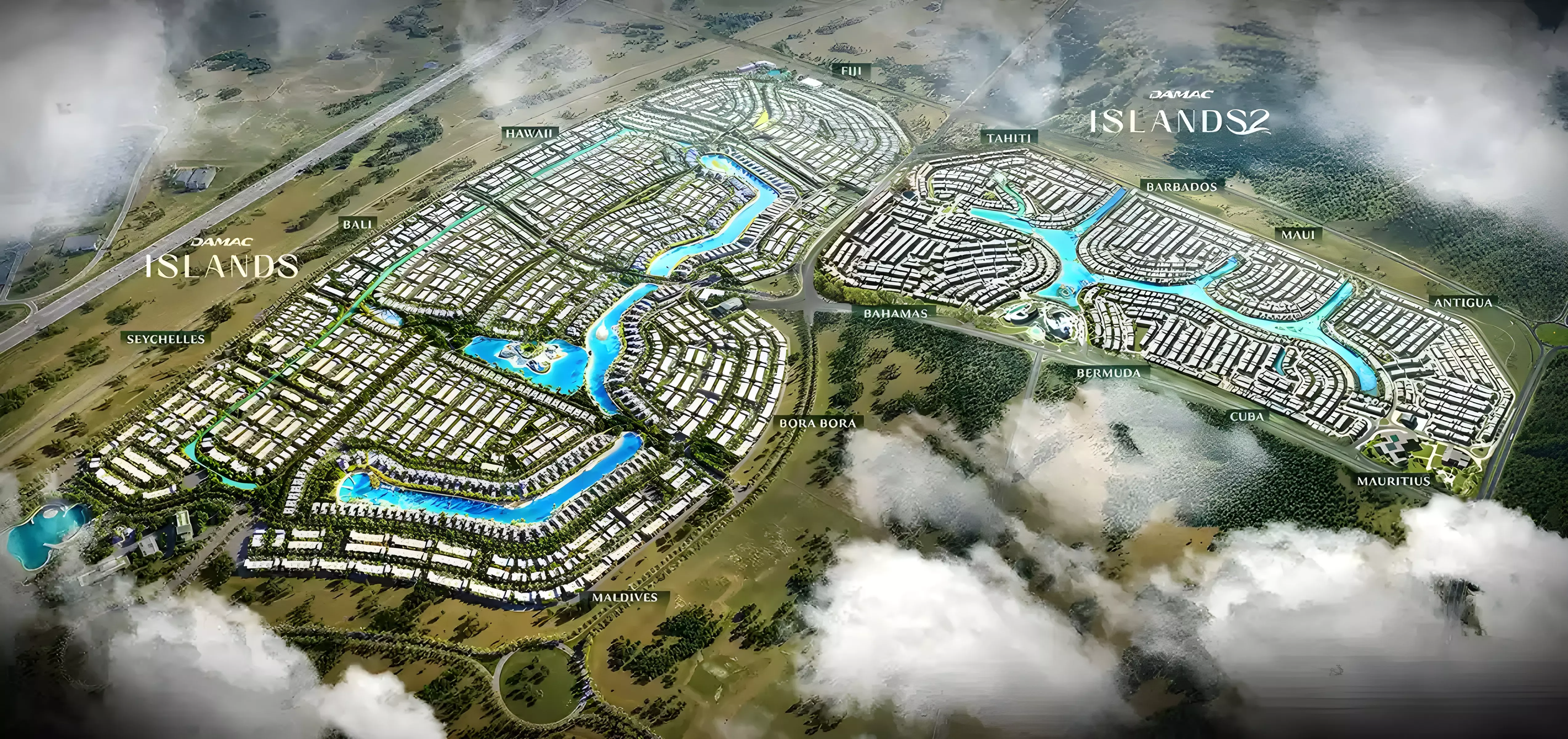
Cuba is a residential project by Damac Properties, one of Dubai's most active developers across the luxury and mid-market segments. The project sits within DAMAC Islands, a master-planned community in Dubai Land. Damac has a long track record of delivering large-scale communities in Dubai, and DAMAC Islands is one of their more recent flagship developments, built around a cluster of island-themed districts.
Cuba is the specific cluster within that community. It offers townhouses and villas, which positions it firmly as a family-oriented residential product rather than an investment-driven apartment play.
What Dubai Land Actually Means for a Buyer
Dubai Land is an inland district, not a waterfront location. That matters for expectation-setting. It sits broadly between Sheikh Mohammed Bin Zayed Road and Emirates Road, which gives reasonable access to central Dubai and the Al Maktoum International Airport corridor.
For daily life, this is suburban living. You are not walking to a metro station or a beachfront. You are driving. The benefit is space, lower density, and a community environment that is difficult to replicate closer to the city core. Schools, retail, and healthcare are developing across this corridor, and the area has seen consistent infrastructure investment over the last few years.
For investors, Dubai Land's appeal is long-term capital appreciation driven by master community development rather than immediate rental yield from a high-footfall location. Buyers here are typically end-users or investors with a five-plus year horizon.
One Price Point, One Clear Entry
The listed price is AED 3,571,000, and it applies to both the minimum and maximum in the current data. That means this is either a single unit type or a very tight configuration range at launch. There is no lower entry option and no premium tier sitting above it.
At this price, you are looking at a townhouse or villa in a master community. For context within Dubai's villa market, this positions Cuba at the accessible end of spacious family homes in a branded Damac address. Buyers here are not stretching for a waterfront premium. They are paying for community infrastructure, developer reputation, and the longer runway that Dubai Land's scale tends to offer.
Townhouses and Villas: Who Each Suits
| Property Type | Likely Buyer Profile |
|---|---|
| Townhouse | Families wanting community living with manageable upkeep |
| Villa | Buyers prioritising space, privacy, and long-term residence |
Townhouses in master communities like this tend to attract first-time villa buyers or smaller families making the move from apartments. Villas draw buyers who want more separation from neighbours and are planning to stay for the long haul.
What the Amenities Say About the Project
| Category | Facilities |
|---|---|
| Wellness and Fitness | Indoor Swimming Pool, Gymnasium |
| Outdoor and Family | Landscaped Gardens, Children's Play Area |
| Convenience and Security | Restaurants, CCTV Security |
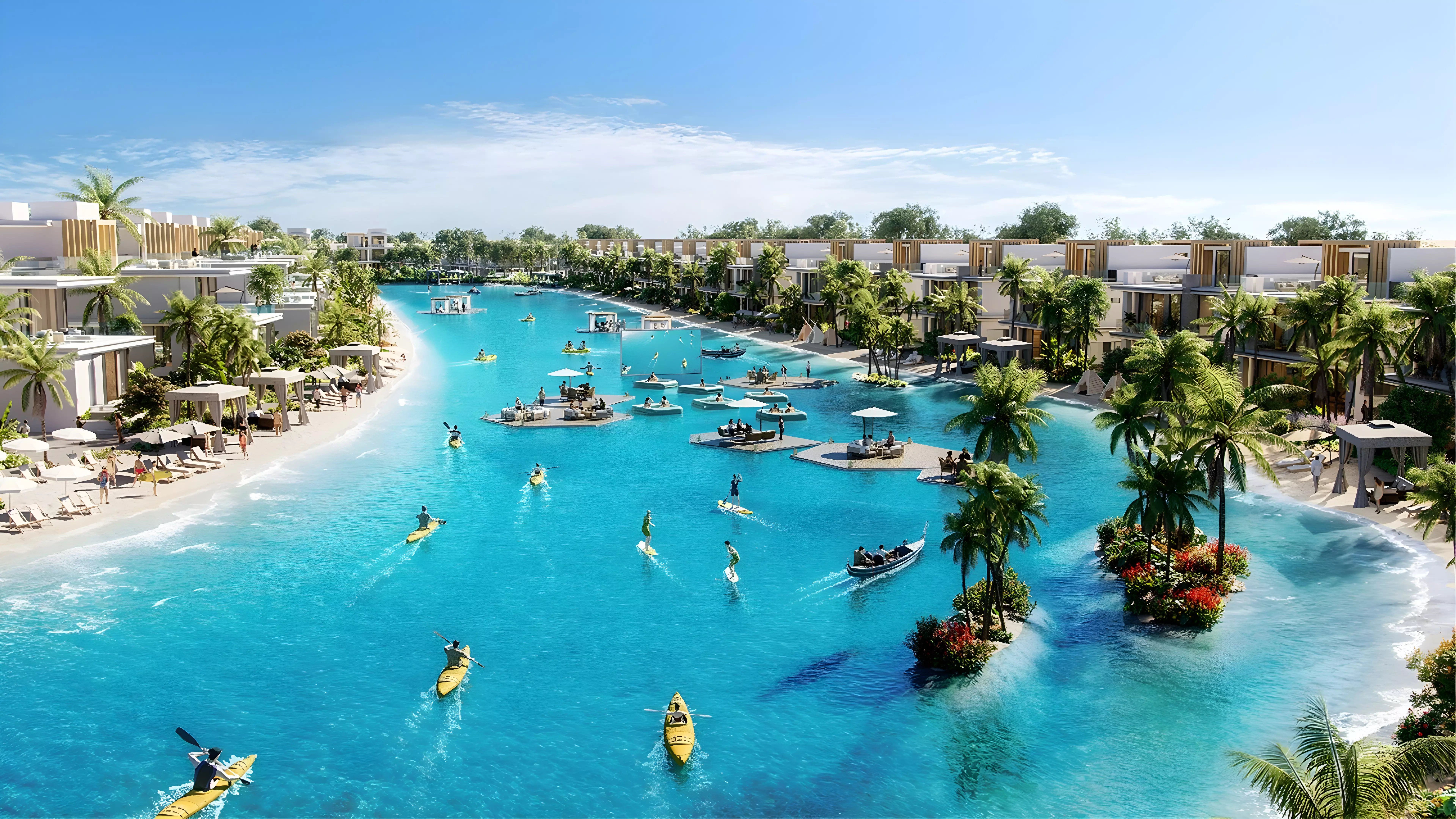
An indoor pool is worth noting here because it is less common in Dubai townhouse communities, where outdoor pools dominate. It signals year-round usability and a slightly higher amenity specification than the baseline. The presence of on-site restaurants suggests the community is designed to reduce residents' need to drive out for everyday socialising. The overall set points clearly at families with children as the primary resident.
Four Years Out: What That Means If You Buy Now
Construction started in May 2026, with handover expected in June 2030. That puts the delivery timeline at roughly four years from now. For an off-plan buyer entering today, that is a meaningful wait. The advantage is time to pay down the construction-linked instalments before handover arrives.
Getting In at 20%
| Stage | Payment |
|---|---|
| Down Payment | 20% |
| During Construction | 55% |
| On Handover | 25% |
A 20% down payment is in line with the Dubai market standard for off-plan. The bulk of the payment, 55%, tracks construction progress, which ties your cash outflow to physical milestones on site. The remaining 25% is due at handover in 2030, so a buyer needs to plan for that lump sum alongside any mortgage or liquidity requirements at that point. There is no post-handover payment plan, so the full balance clears on the day you receive keys.