
Fiji 2 at Damac Islands: Townhouses in Dubai Land with a December 2028 Handover
The Project and the Developer
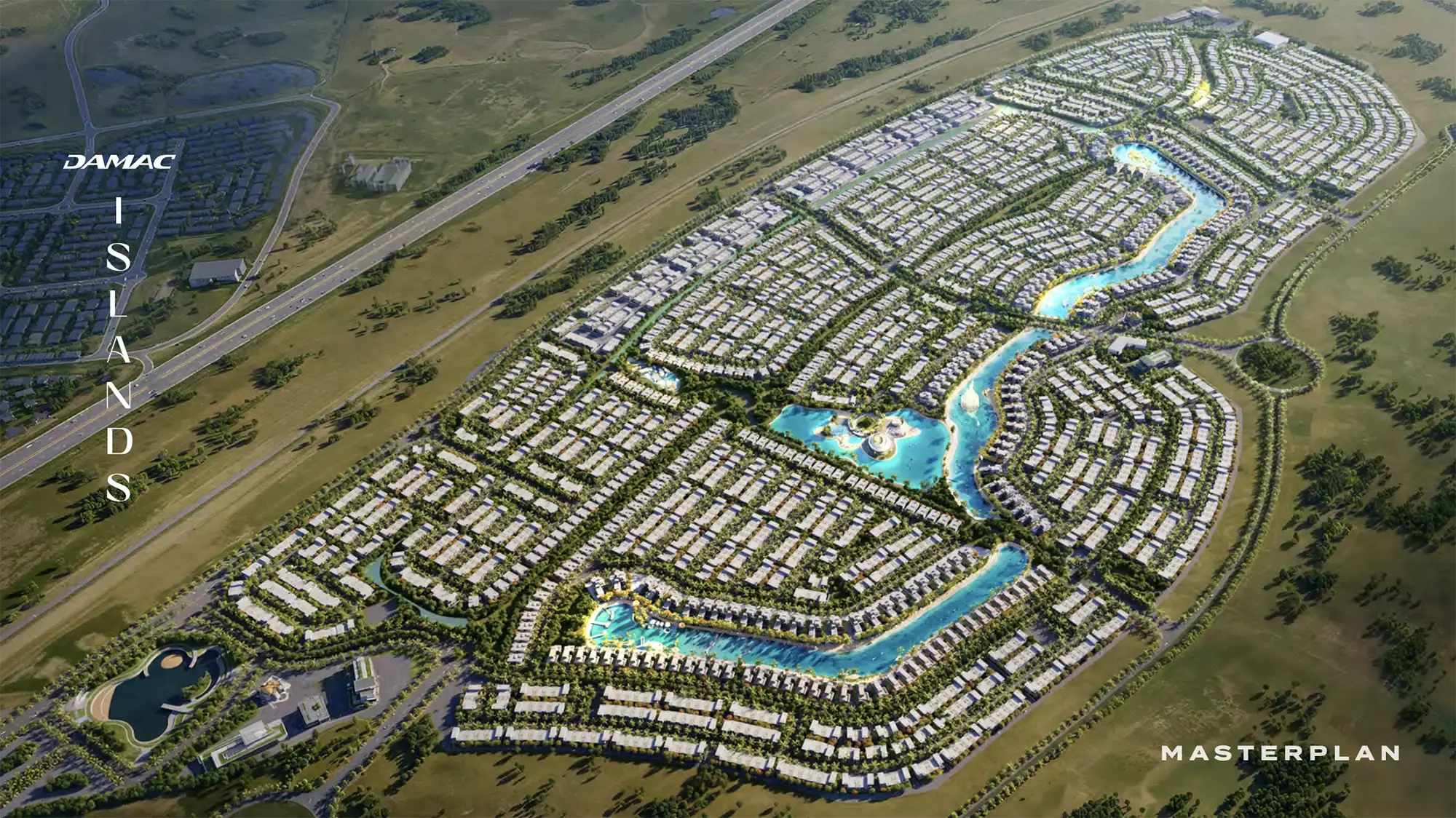
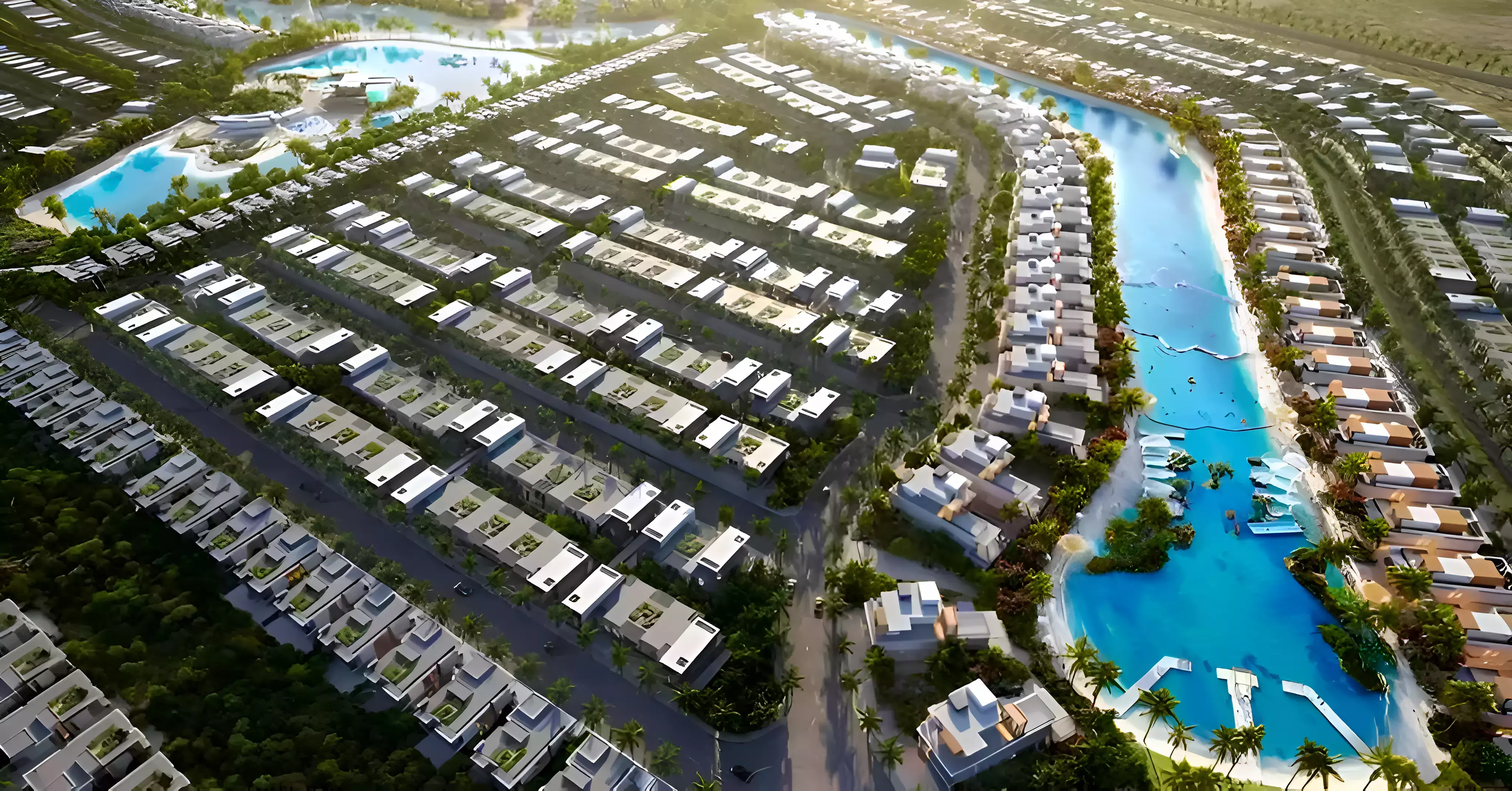
Fiji 2 is a townhouse development by Damac Properties, sitting within the larger Damac Islands master community in Dubai Land. Damac is one of Dubai's most active developers, with a long track record of large-scale residential communities across the emirate. Damac Islands is a themed island-concept destination, and Fiji 2 is the second cluster within the Fiji precinct of that community.
Construction started in April 2025, so this is genuinely early-stage off-plan. Buyers entering now are getting in close to the ground floor.
Dubai Land and What It Actually Means
Dubai Land sits in the southern-central corridor of Dubai, roughly between Al Maktoum International Airport to the southwest and Downtown Dubai to the north. It is not a central urban address. What it offers instead is scale, newer infrastructure, and pricing that reflects its distance from the established core.
For an owner-occupier, daily life here will depend heavily on a car. Public transport connections are limited compared to more established districts. The trade-off is space, a community environment, and lower entry prices relative to prime Dubai.
For investors, Dubai Land has shown consistent demand from mid-market renters who are priced out of closer districts. Yields in this corridor tend to hold up well precisely because supply is absorbed by that tenant base. A townhouse in a master community with amenities will sit at the better end of that rental pool.
What AED 2.3M to AED 3.3M Gets You
The price range runs from AED 2,330,000 to AED 3,296,000, a spread of just under AED 970,000. For a single property type, that is a meaningful gap, and it tells you something useful.
At the lower end, you are most likely looking at smaller townhouse configurations, possibly two or three bedrooms, with standard finishes and less premium positioning within the plot layout. At the upper end, larger units with more bedrooms, bigger floor plates, or better-facing plots will command that premium. Within a master community like this, end-of-terrace plots and corner units typically carry a price uplift over mid-terrace equivalents.
A buyer looking for a primary family home with room to grow will probably land in the mid-to-upper range. An investor optimising for yield relative to capital outlay will find the entry-level units more efficient.
What the Amenity Set Says
| Lifestyle | Security and Grounds |
|---|---|
| Indoor Swimming Pool | CCTV Security |
| Gymnasium | Landscaped Gardens |
| Restaurants | Children's Play Area |
The indoor pool is worth flagging. Most mid-range Dubai community projects offer outdoor pools. An indoor facility signals year-round usability and a slightly higher operational standard for the community. Combined with on-site restaurants and a children's play area, the amenity set is clearly pointed at families who want to stay within the community for daily needs.
This is not a lock-up-and-leave investor product. The amenities make the most sense to someone actually living here, or to a landlord targeting long-term family tenants rather than short-stay occupiers.
Three and a Half Years to Handover
With construction underway from April 2025 and completion set for December 2028, a buyer has roughly three and a half years before handover. That timeline is typical for a community of this scale, and it has practical implications.
If you are buying to live here, you are committing to a wait. If you are investing, that window gives you time to plan around the handover date and to monitor how the broader Damac Islands community progresses in the meantime. Early buyers in phased communities like this often benefit from pricing appreciation as later phases launch at higher levels.
Getting In for 20%
| Stage | Percentage |
|---|---|
| Down payment | 20% |
| During construction | 55% |
| On handover | 25% |
The 20% down payment is in line with the Dubai market standard for off-plan. There is no post-handover payment plan, which means the full balance clears at the point of handover. For buyers financing through a mortgage, that handover payment will need to be structured in advance. For cash buyers, the construction-period payments of 55% spread over roughly three and a half years give reasonable breathing room before the final tranche falls due.
The structure is straightforward and carries no deferred payment complexity. What you see is what you owe, and by when.