
Tahiti by Damac: Villas and Townhouses in DAMAC Islands, Dubai Land
The Developer and the Project
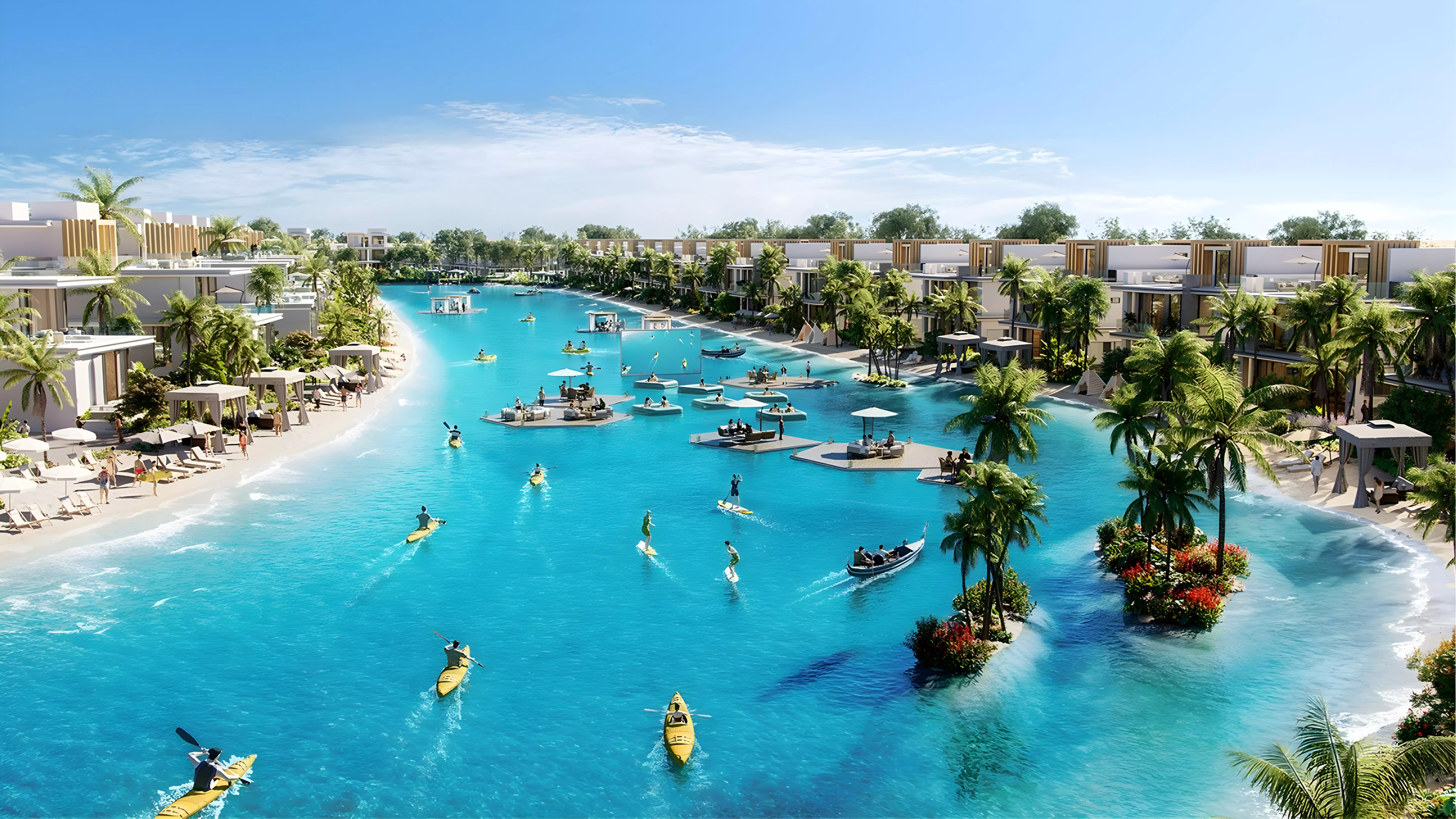
Damac Properties needs little introduction in Dubai. The developer has delivered hundreds of projects across the emirate over two decades, and Tahiti is one of the named clusters within their larger DAMAC Islands development in Dubai Land. The project offers townhouses and villas, pitched at buyers looking for a residential community with a clear lifestyle brief.
What Dubai Land Actually Means for a Buyer
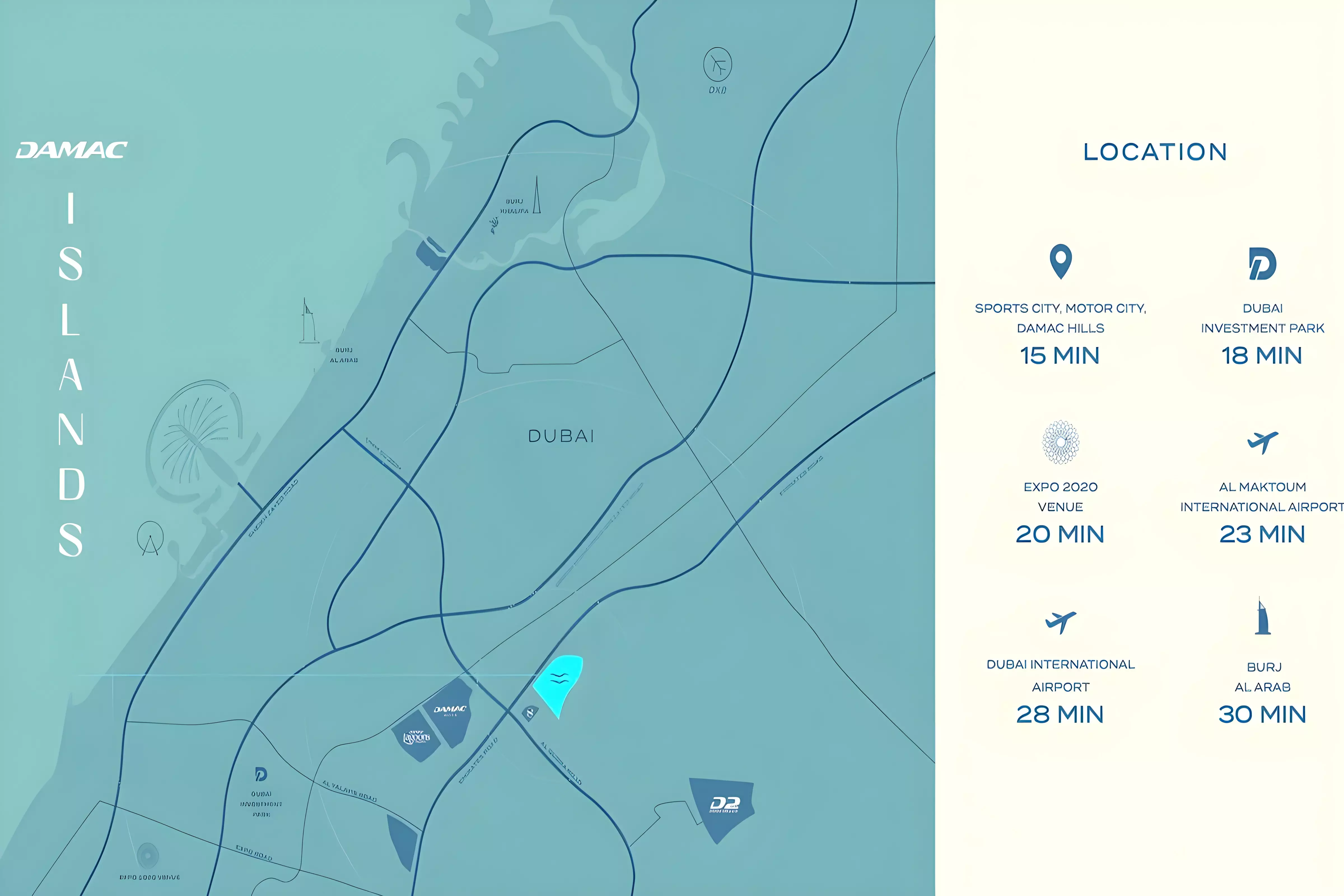
Dubai Land sits in the broader central-eastern corridor of Dubai, roughly between the older established suburbs and the newer outer developments pushing toward Al Ain Road. It is not a downtown address, and buyers should not expect to be minutes from DIFC or the Marina. What it offers instead is scale and space. The roads are wide, the plots are generous, and the community infrastructure tends to be purpose-built rather than retrofitted.
For an owner-occupier, Dubai Land works well if you work in the wider central or eastern parts of the city, or if school runs and weekend drives to malls are more relevant to your daily life than proximity to a metro station. For an investor, the area has historically attracted families priced out of more central villa communities, which means rental demand tends to be stable and tenant tenure tends to be long.
DAMAC Islands is a master-planned island-themed community within this zone. Tahiti is one of its residential clusters.
What AED 3.4M to AED 4M Gets You Here
The price range runs from AED 3,469,000 to AED 4,008,000. That spread is relatively tight, which tells you something useful: this is not a development with a wide mix of unit sizes pulling the numbers apart. The roughly AED 540,000 gap between floor and ceiling likely reflects differences in plot size, unit configuration, or position within the cluster rather than a dramatic jump in product type.
A buyer at the lower end is probably looking at a townhouse, while the upper end points toward a standalone villa or a larger configuration. Both sit within a price band that competes directly with mid-tier villa communities across Dubai Land and the neighboring districts.
Townhouses and Villas: Who Each Suits
Townhouses here will appeal to buyers who want a villa-style lifestyle but want to keep the entry ticket lower. They work well for young families, or investors who want a more liquid asset that rents quickly and broadly.
Villas suit buyers who prioritize space, privacy, and long-term owner-occupation. They typically attract buyers planning to live in the property for five years or more, or investors targeting higher-income tenants who want a standalone home.
What the Amenity Set Says
| Theme | Facilities |
|---|---|
| Wellness and Fitness | Indoor Swimming Pool, Gymnasium |
| Outdoor and Green Space | Landscaped Gardens, Children's Play Area |
| Security | CCTV Security |
| Dining | Restaurants |
An indoor pool is not a given in this price bracket and community type. It signals that the developer is positioning Tahiti for year-round use, not just the cooler months. The inclusion of on-site restaurants points toward a self-contained community model, where residents can cover daily social needs without leaving the development. The amenity set as a whole targets families who want convenience and comfort within the gate, rather than residents who rely on the surrounding urban fabric for entertainment.
A 2030 Horizon
Construction started in May 2026, with completion scheduled for June 2030. That gives an off-plan buyer roughly a four-year window before handover. For someone entering now, that timeline means capital is tied up through the construction period with no rental income until 2030. The upside is that entering this early in the build cycle typically gives access to the best available unit selection.
Getting In for 20%
| Stage | Payment |
|---|---|
| Down Payment | 20% |
| During Construction | 55% |
| On Handover | 25% |
The 20% down payment is in line with the standard Dubai off-plan market, so there is no unusual advantage or obstacle at entry. The bulk of the payment, 55%, spreads across the construction period, which runs to mid-2030. The 25% due at handover is a meaningful lump sum and worth factoring into your cash flow planning well in advance of the completion date.