
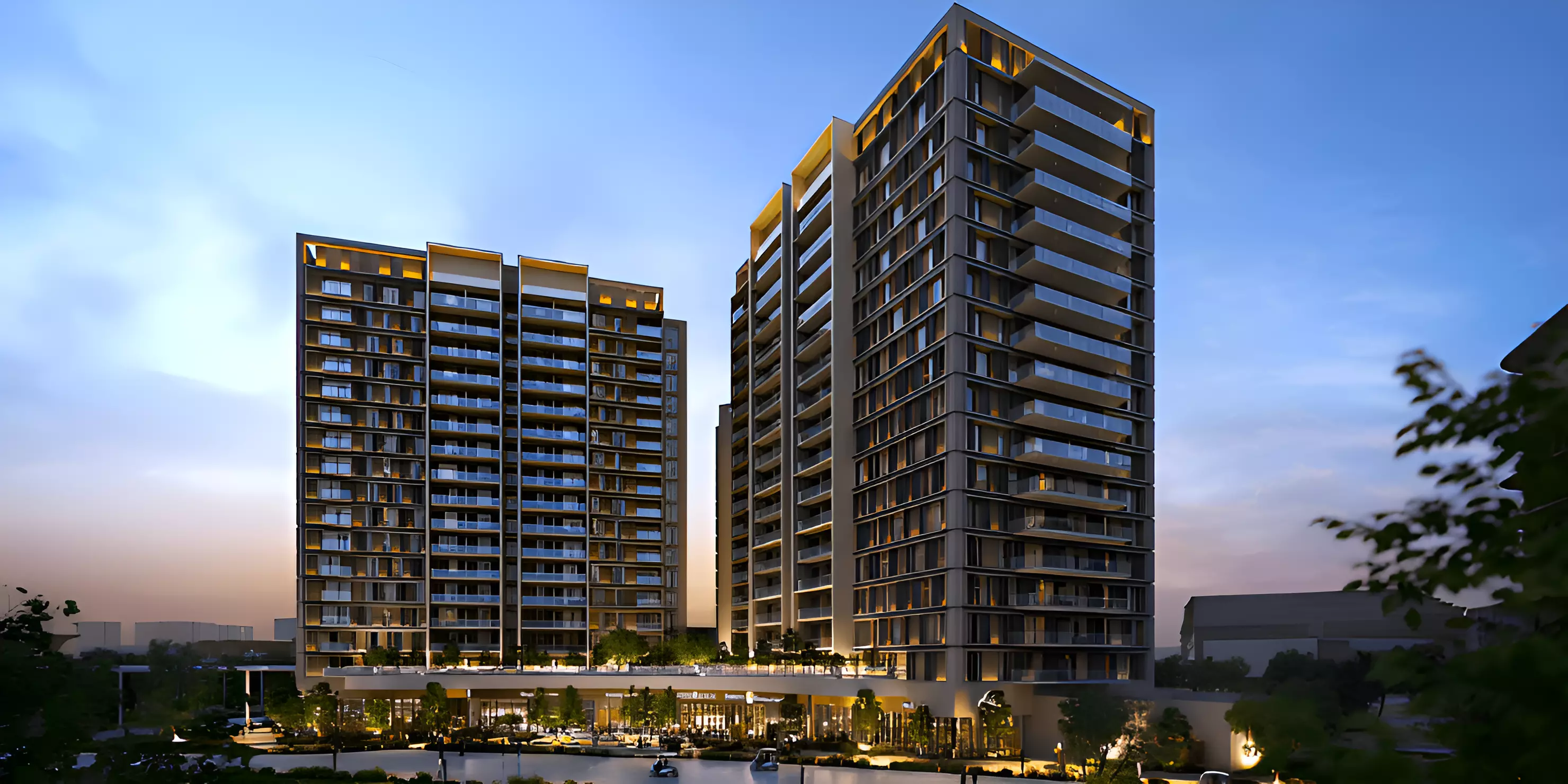
Sidr Residences Tower 2: What Buyers Need to Know Before They Commit
Who Built This and What It Is
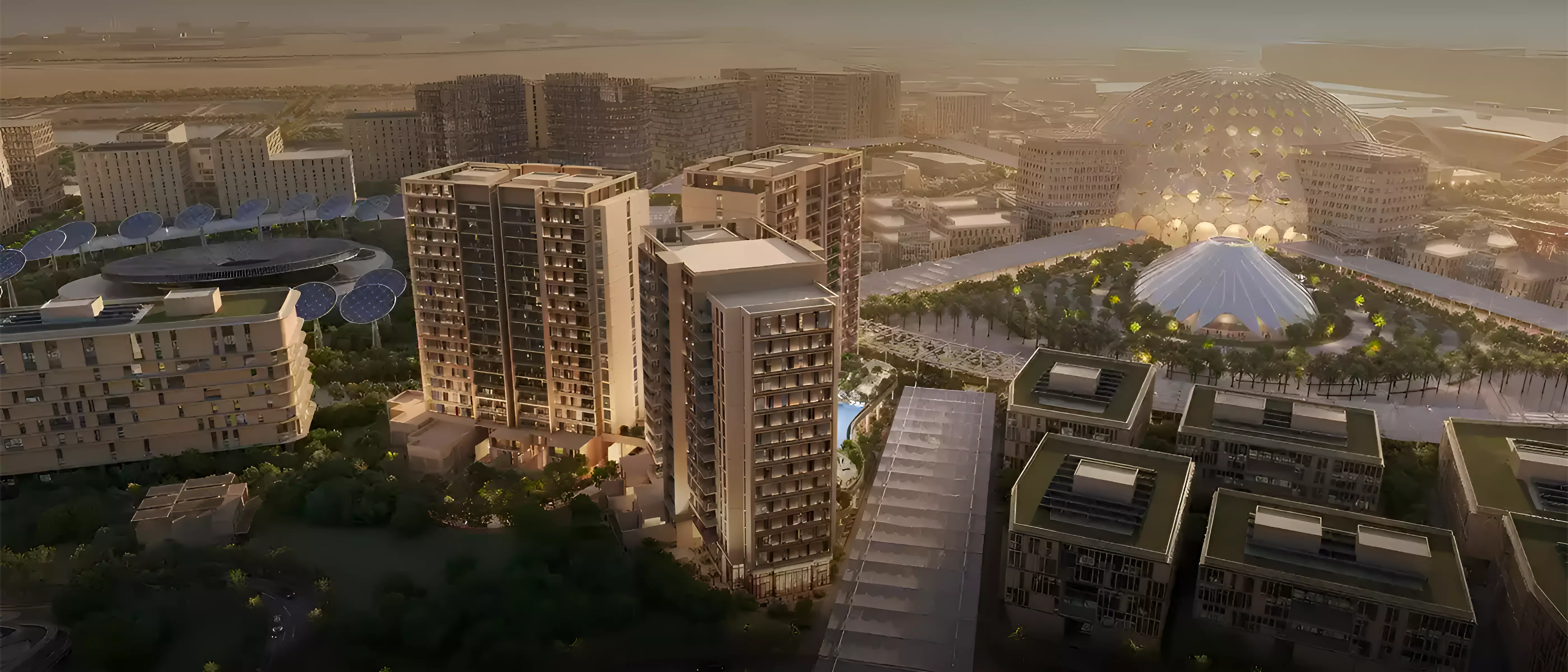
Sidr Residences Tower 2 is developed by Expo City Dubai, the authority behind the transformation of the former World Expo 2020 site into a permanent mixed-use district. This is not a third-party developer building on borrowed branding. The developer owns the land, controls the masterplan, and has a direct stake in making the broader community work. That matters when you are buying into a district that is still finding its feet.
The project offers apartments, penthouses, and townhouses within the Expo City Sidr Residences cluster. Having all three types in one tower means buyers across a wide budget range are looking at the same building.
What Being in Expo City Actually Means
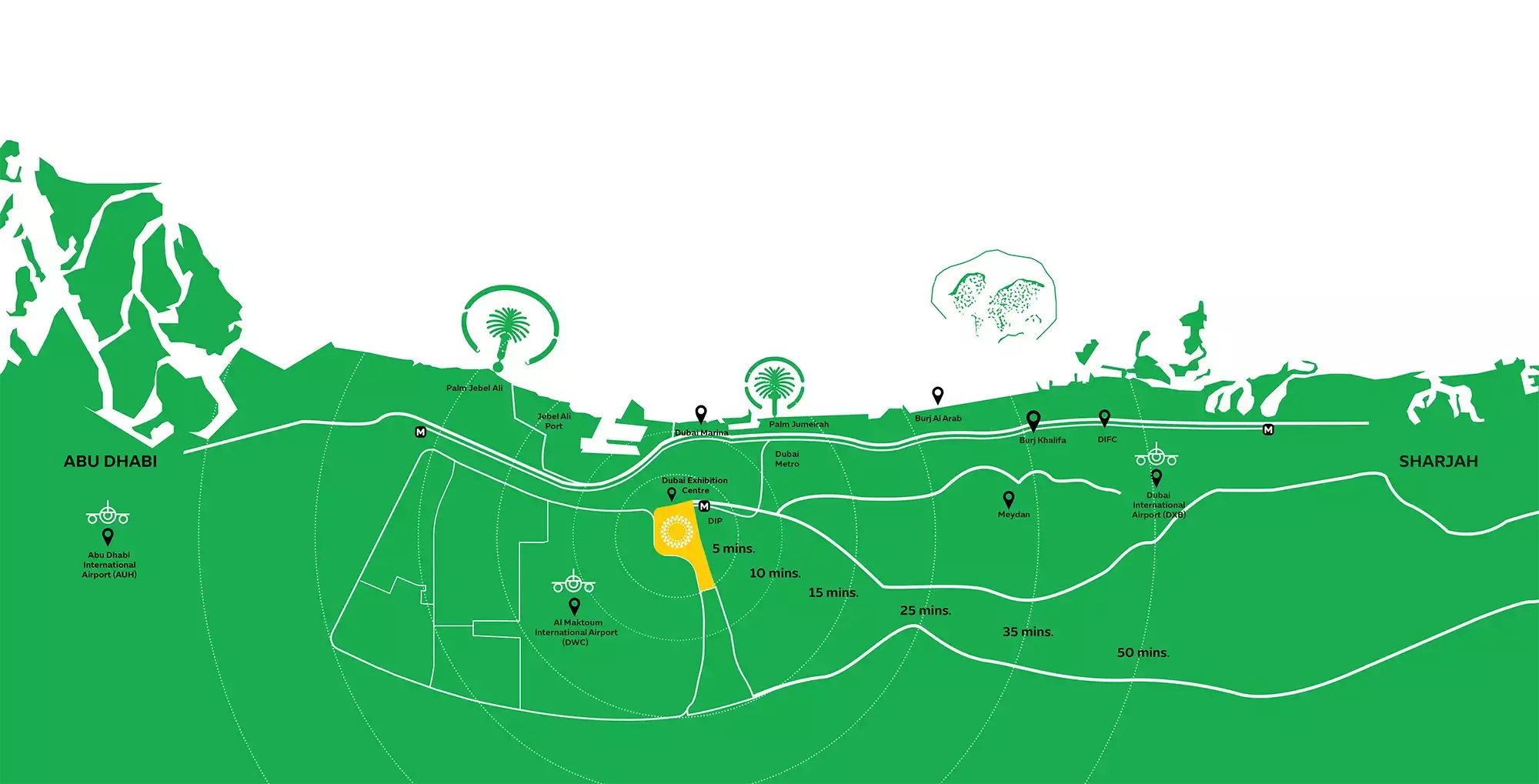
Expo City sits in the southwest of Dubai, close to Al Maktoum International Airport. That airport is central to Dubai's long-term growth story. When expansion there accelerates, this location moves from peripheral to well-positioned. Right now, it is honest to say the district is still maturing. Infrastructure is in place. Retail, F&B, and community services are developing. If you need the density and convenience of Downtown or Dubai Marina today, this is not that. If you are buying for a three-to-five year horizon, the trajectory is the argument.
The area suits investors who believe in the airport corridor thesis, and end-users who prioritise space and a quieter setting over being in the middle of things.
What the Price Spread Tells You
Pricing runs from AED 1,865,000 to AED 8,725,000. That is a wide range, and it reflects the mix of property types rather than variation within a single category. At the lower end, you are looking at apartments, likely one or two-bedroom configurations suited to investors or young professionals. At the upper end, the penthouses and townhouses are a different product entirely, targeting buyers who want more floor area and privacy, and who are willing to pay for it within an emerging district rather than an established one.
The gap between those two numbers is wide enough that a buyer should be clear early on which part of the range they are shopping in. The investment case for a AED 1.9M apartment and a AED 8.7M penthouse are not the same conversation.
Amenities: What They Signal
| Category | Amenities |
|---|---|
| Wellness and Fitness | Indoor Swimming Pool, Gymnasium |
| Outdoor and Leisure | Landscaped Gardens, Children's Play Area |
| Dining | Restaurants |
| Security | CCTV Security |
The indoor pool is worth noting in context: most projects at this price level offer outdoor pools. An indoor pool suggests year-round usability is a design priority, which matters in a district that gets extreme summer heat. The children's play area and gardens point clearly at families as the target resident. The amenity count is modest at six, but what is here is practical rather than decorative.
This is a project aimed at residents who want functional liveability, not a long list of facilities they will never use.
The Build Timeline
Construction started in January 2025, with expected completion in December 2027. That gives you roughly three years of construction ahead. For an off-plan buyer entering now, that means capital is tied up through most of the payment schedule before you see the keys. Three years is a standard timeline for a tower of this type, but buyers should go in with realistic expectations about liquidity during that period.
Getting In for 10%
| Stage | Payment |
|---|---|
| Down payment | 10% |
| During construction | 50% |
| Handover | 10% |
| Post-handover | 30% |
A 10% down payment is at the low end of what you typically see in Dubai. It lowers the barrier to entry significantly, especially on a AED 1.9M starting price, where that means roughly AED 186,500 to secure a unit. The construction-linked installments mean you will be paying steadily through 2025 to 2027, so budget accordingly rather than treating the low entry as the full story.
The 30% post-handover component is genuinely useful. It spreads the final third of the purchase price beyond completion, which eases cash flow for investors waiting for rental income to kick in and for end-users managing a transition from renting to owning.