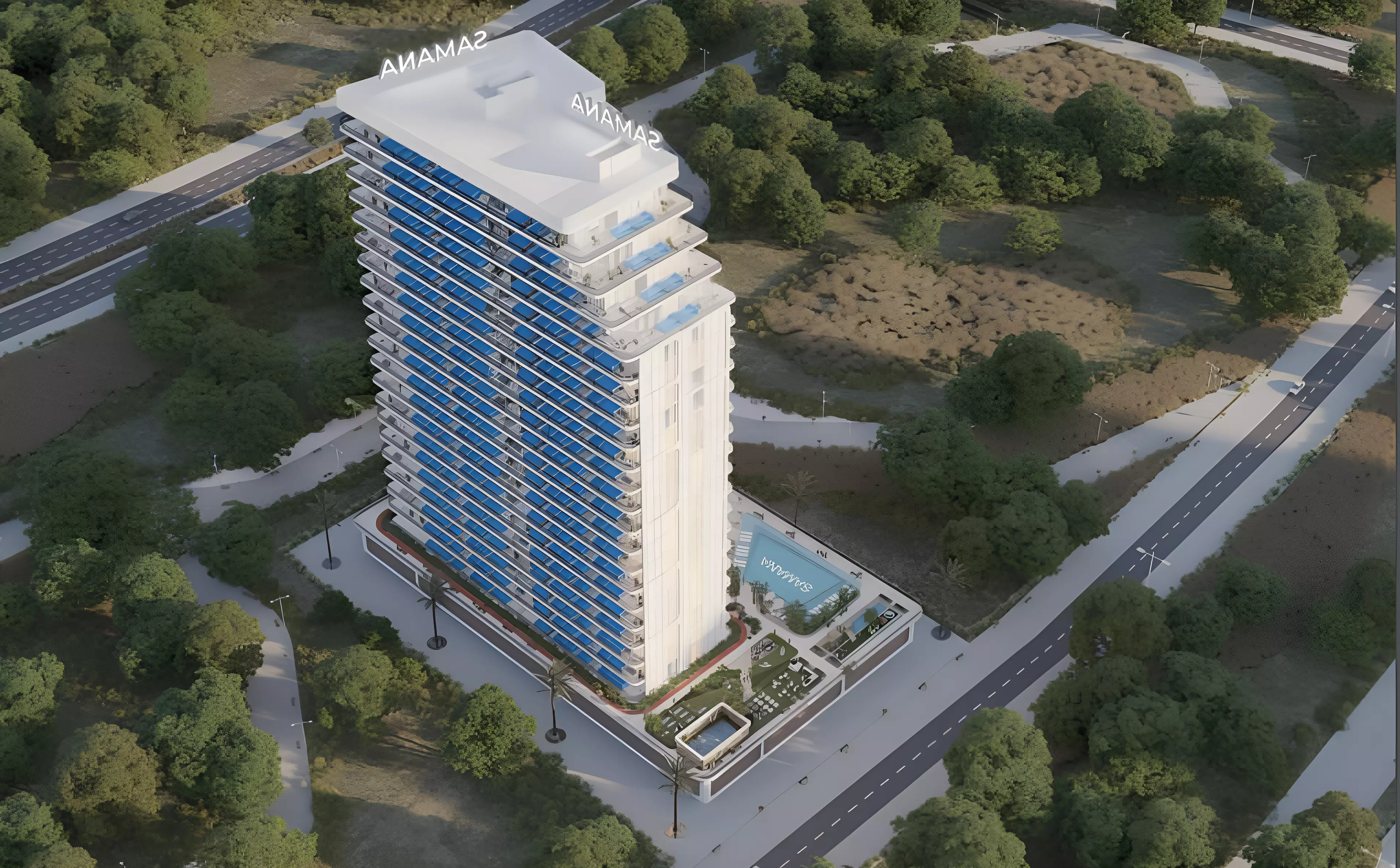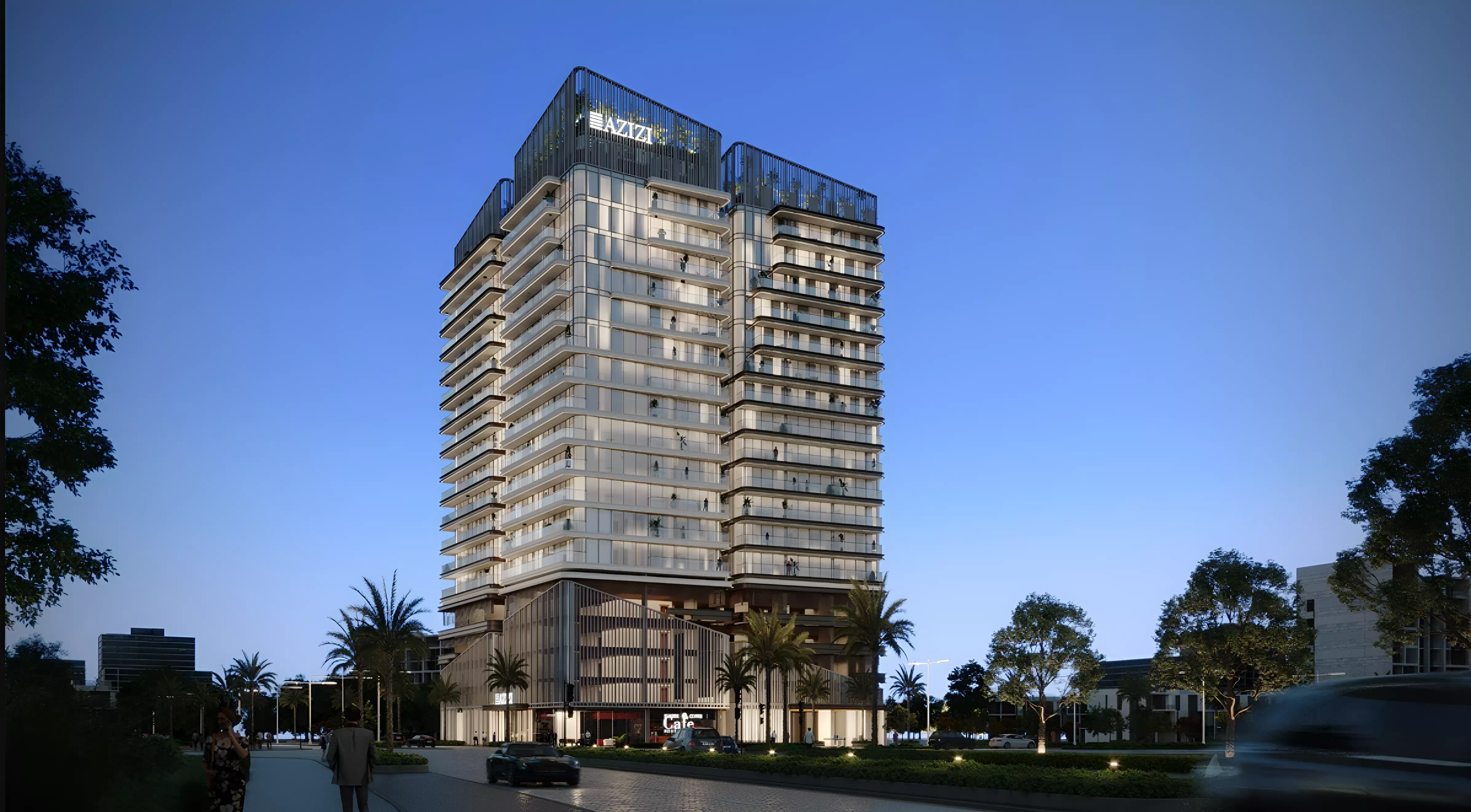
Pantheon 2.0 in Jumeirah Village Triangle: Apartments and Penthouses from AED 639K
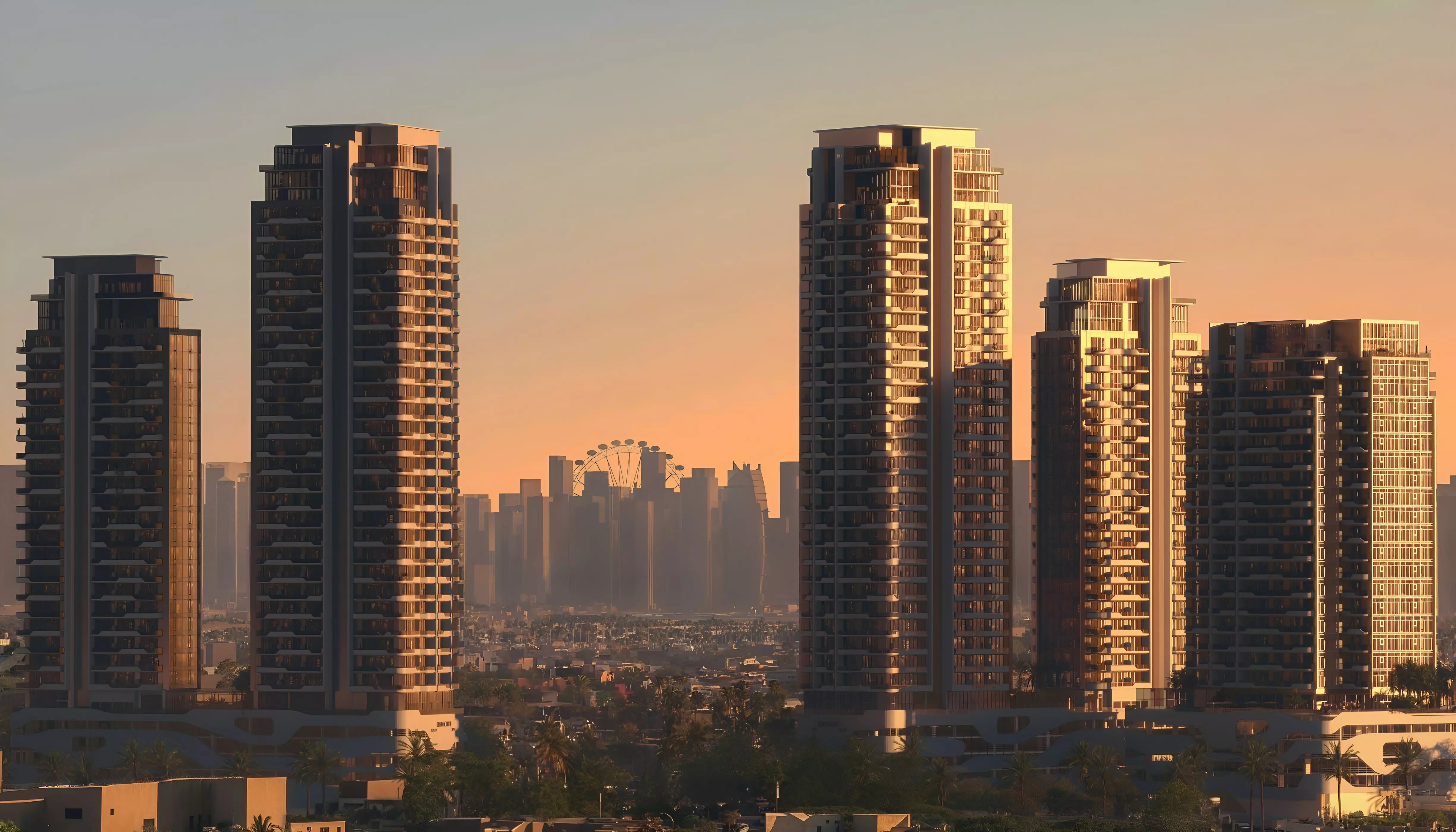
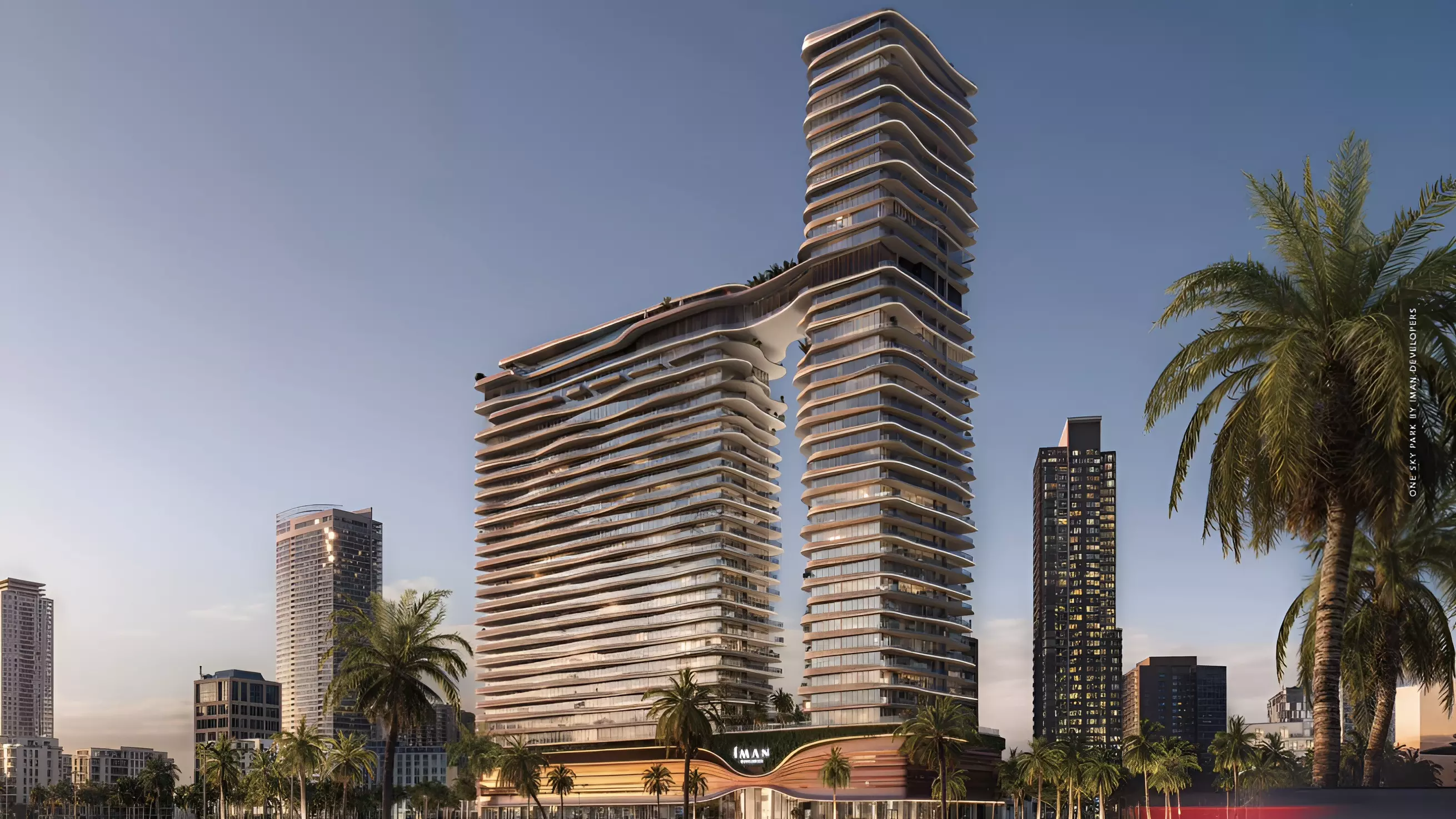
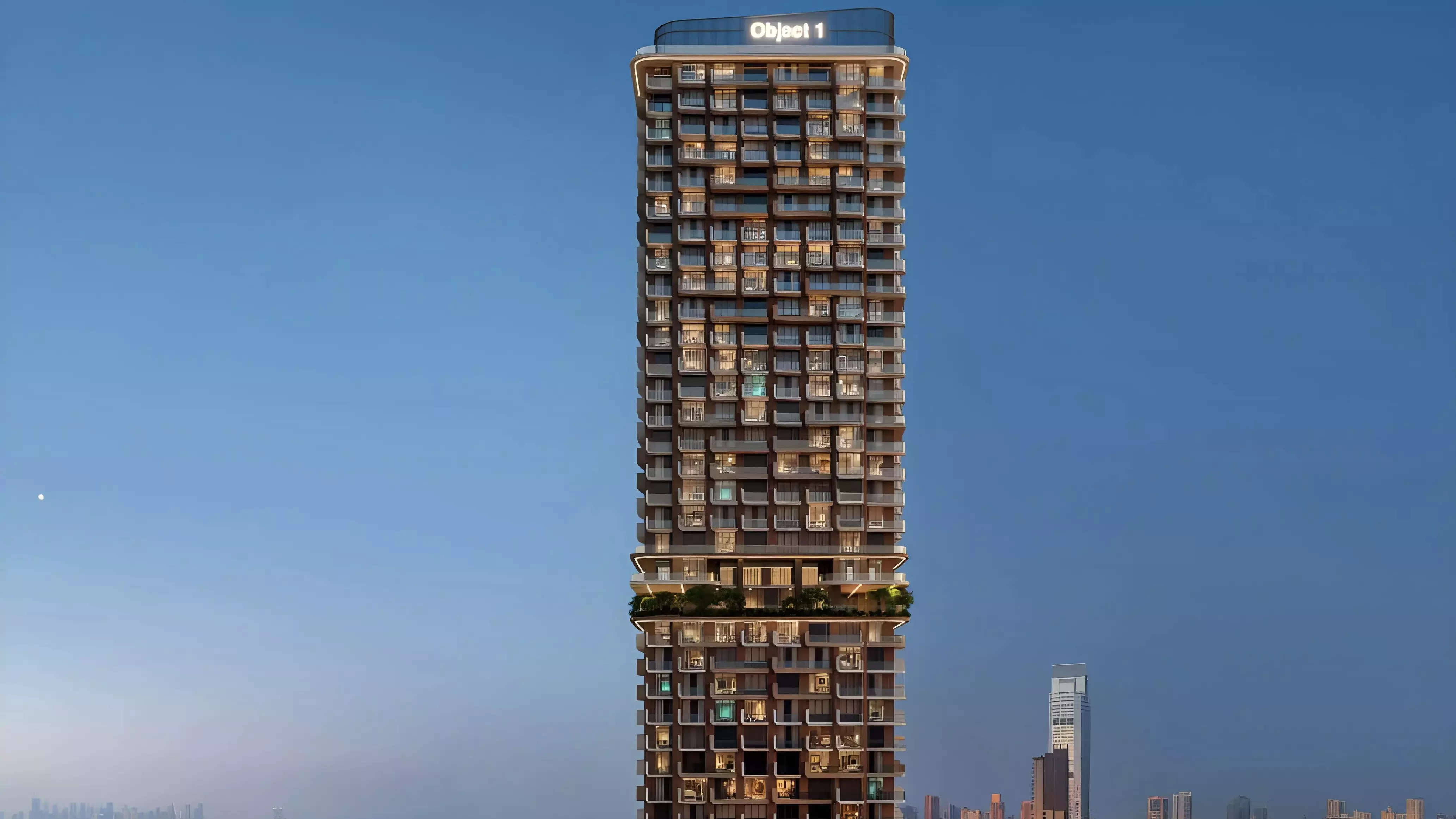
Pantheon Development's Pantheon 2.0 sits in Jumeirah Village Triangle, one of Dubai's established mid-market residential communities. Construction started in May 2025, with handover targeted for September 2028. Buyers entering now have around 28 months of off-plan holding ahead before keys.
What JVT Means in Practice
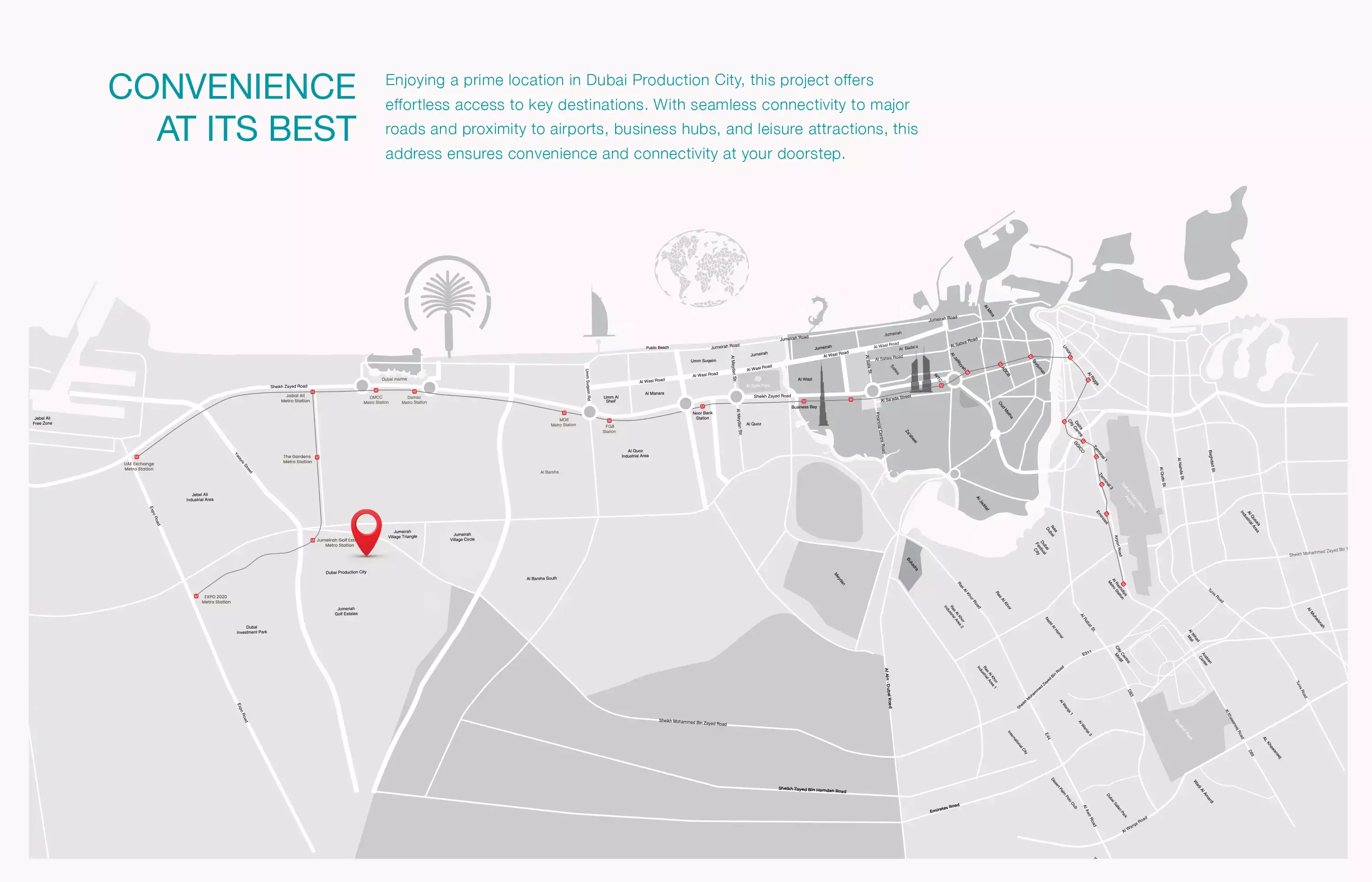
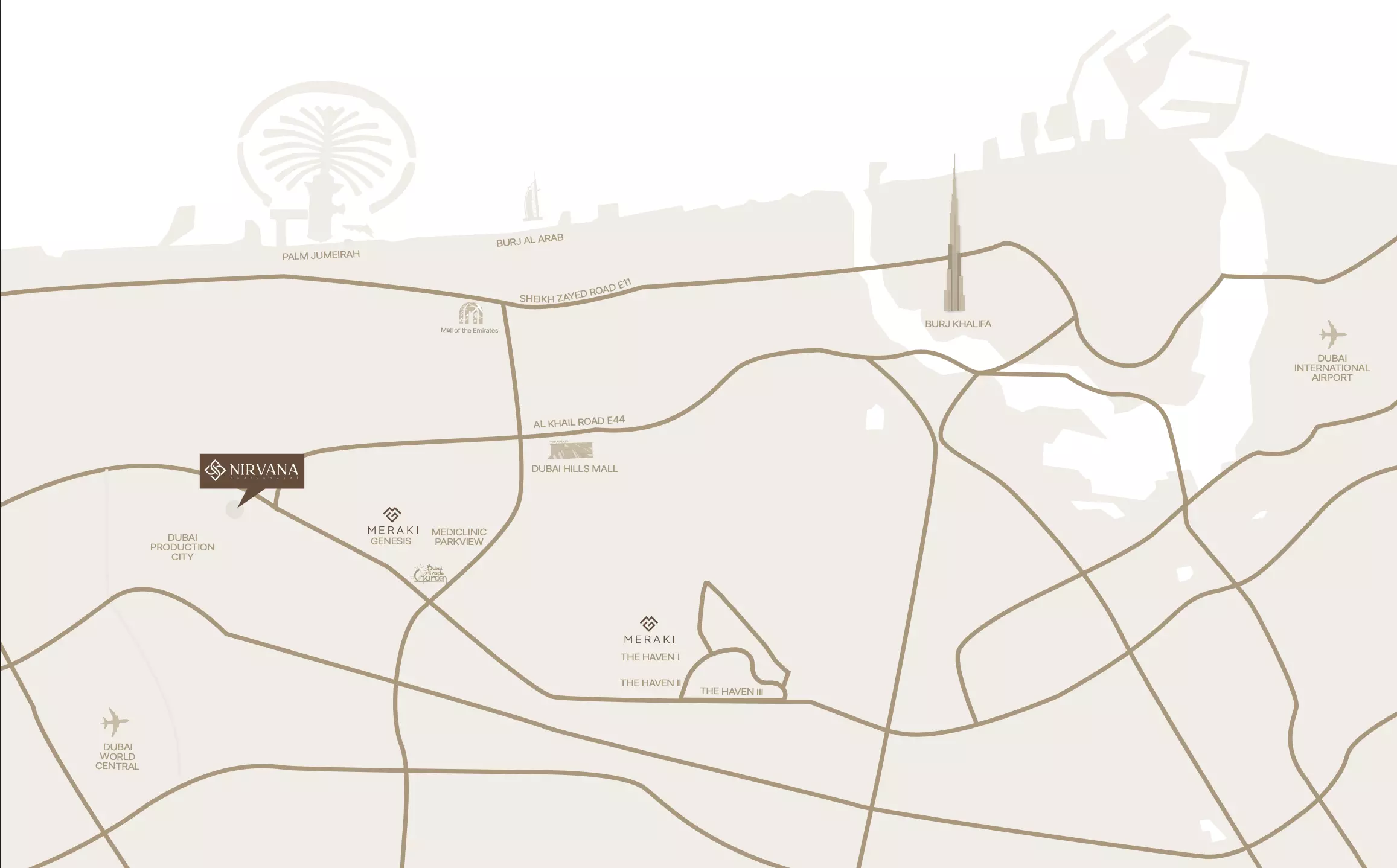
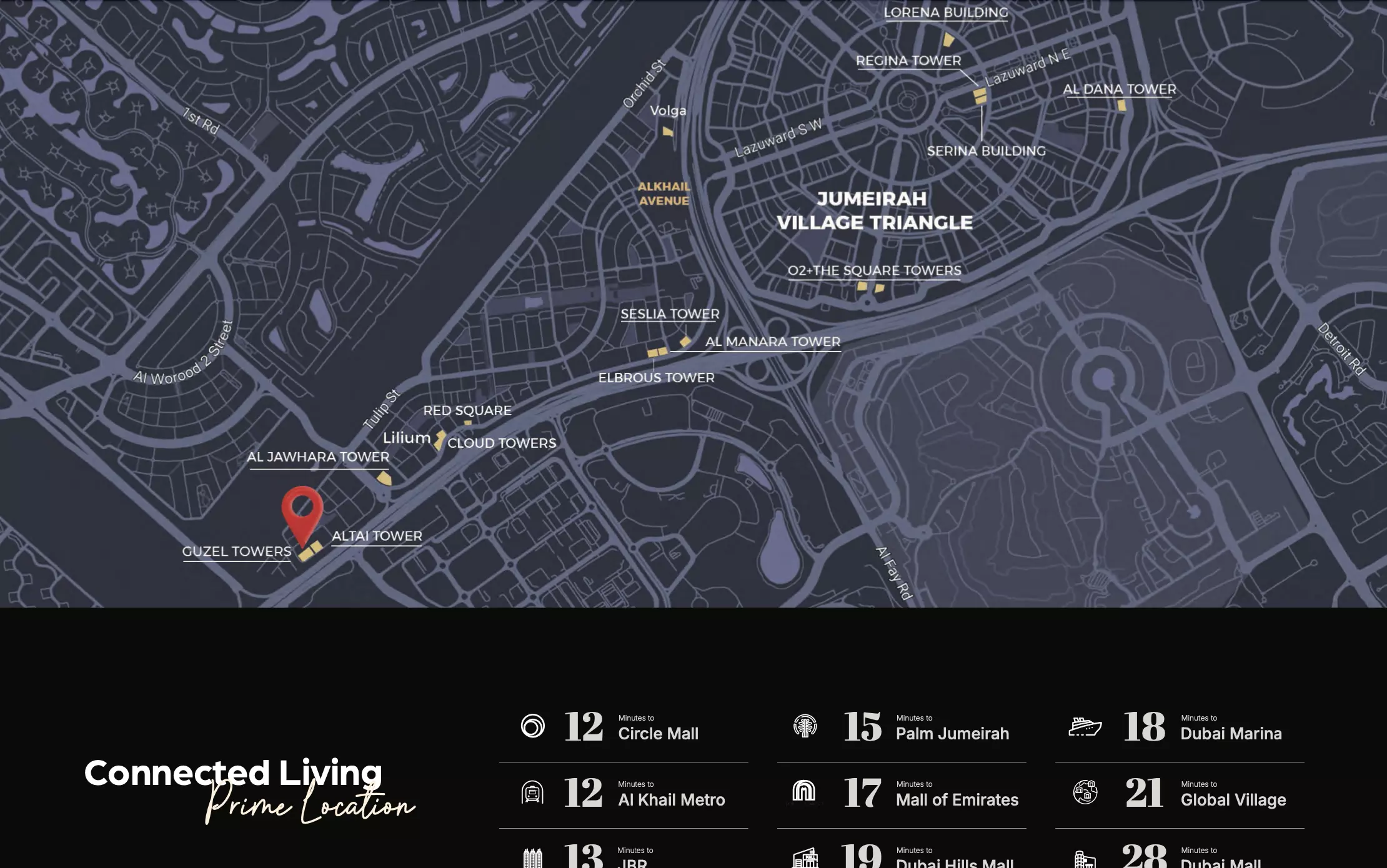
Jumeirah Village Triangle occupies a well-connected stretch of New Dubai, bounded by arterials feeding into Al Khail Road and Mohammed Bin Zayed Road. The Marina is roughly 15 minutes away by car. Downtown Dubai sits about 20 minutes east under normal traffic. Dubai International Airport is 30 to 35 minutes away.
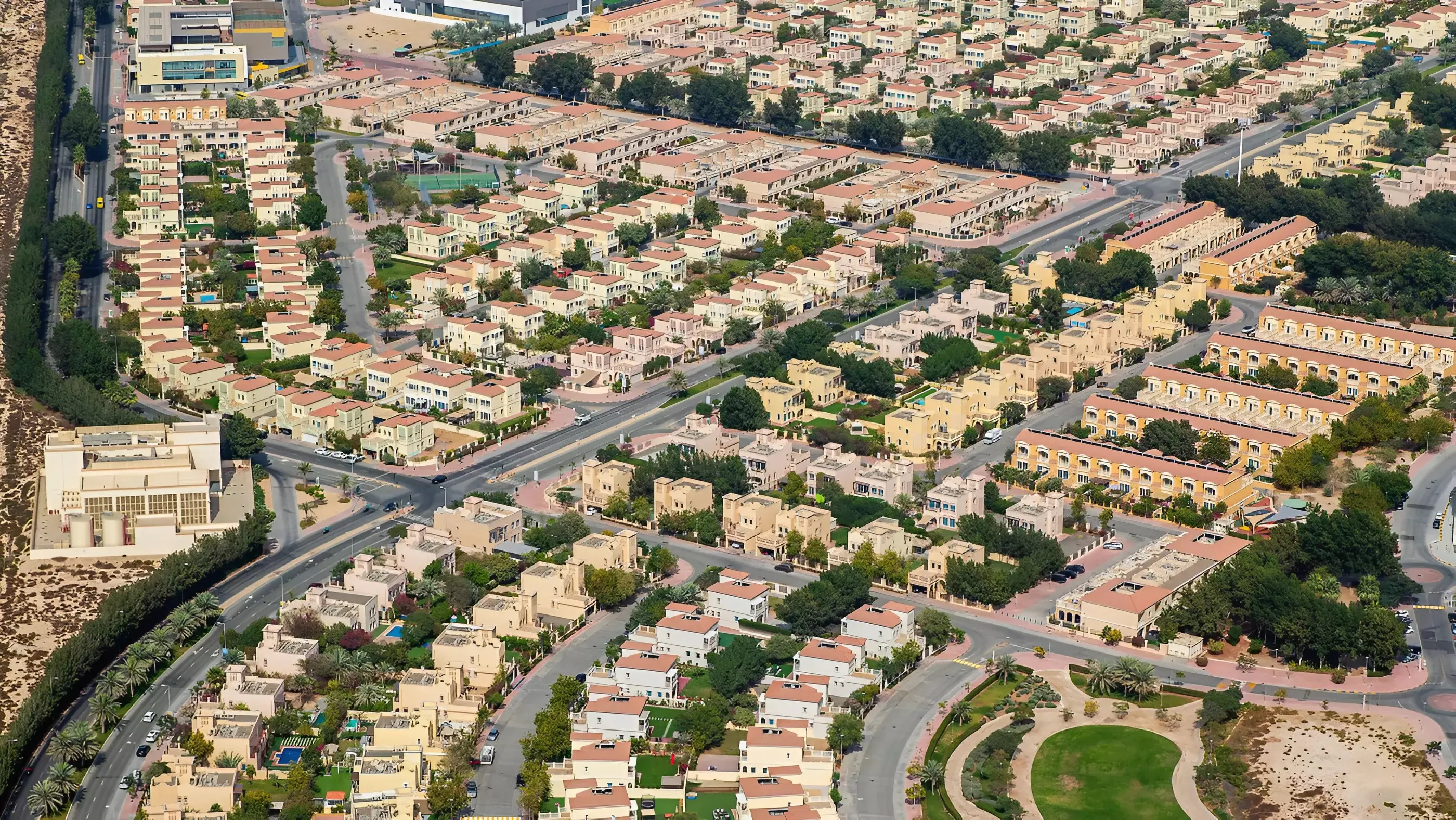
The community draws end-users who want space and greenery at prices well below Marina or JBR rates. For investors, it delivers consistent rental demand from both families and working professionals. That dual appeal across tenant types gives investors a broader pool than many single-demographic communities.
AED 639K to AED 5M: Understanding the Spread
The price range here is wide: AED 639,000 at the floor and AED 4,999,900 at the ceiling. That gap is not random. It reflects two fundamentally different product types within the same building.
The lower end covers the apartments. At AED 639K, this is realistic entry-level territory for JVT, likely studios or one-bed units targeting first-time buyers and yield-focused investors. The upper end belongs to the penthouses. A sub-AED 5M penthouse in JVT offers substantial space and a private top floor without the address premium of Downtown or Palm Jumeirah. That calculus works well for end-users who prioritise size and community living over a high-profile postcode.
So the question for any buyer is simple: are you entering at the apartment end, or are you buying into the penthouse story? The spread is large enough that the two buyer profiles share almost nothing in common except the project name.
Apartments and Penthouses
Two product types are on offer: apartments and penthouses.
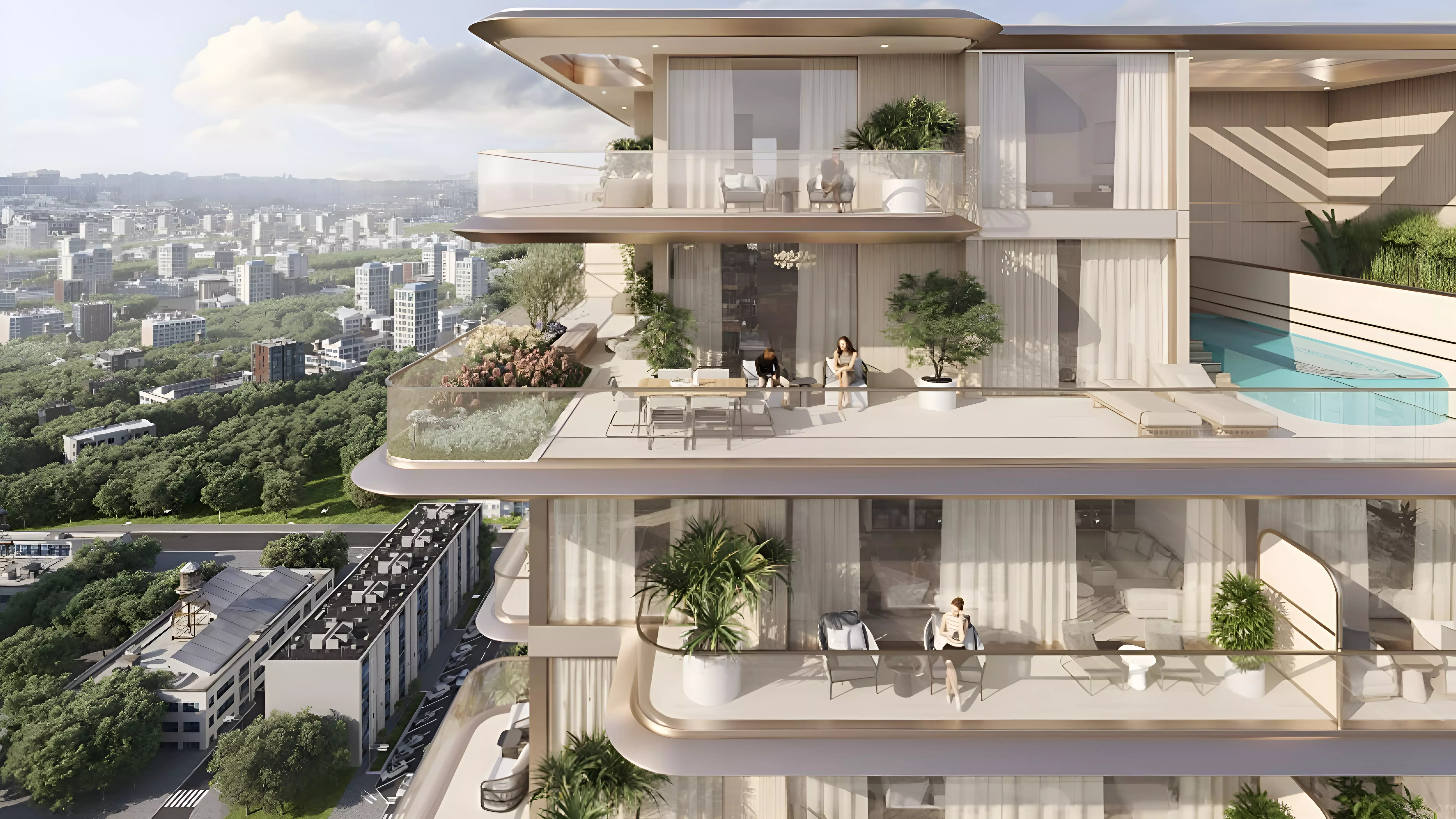
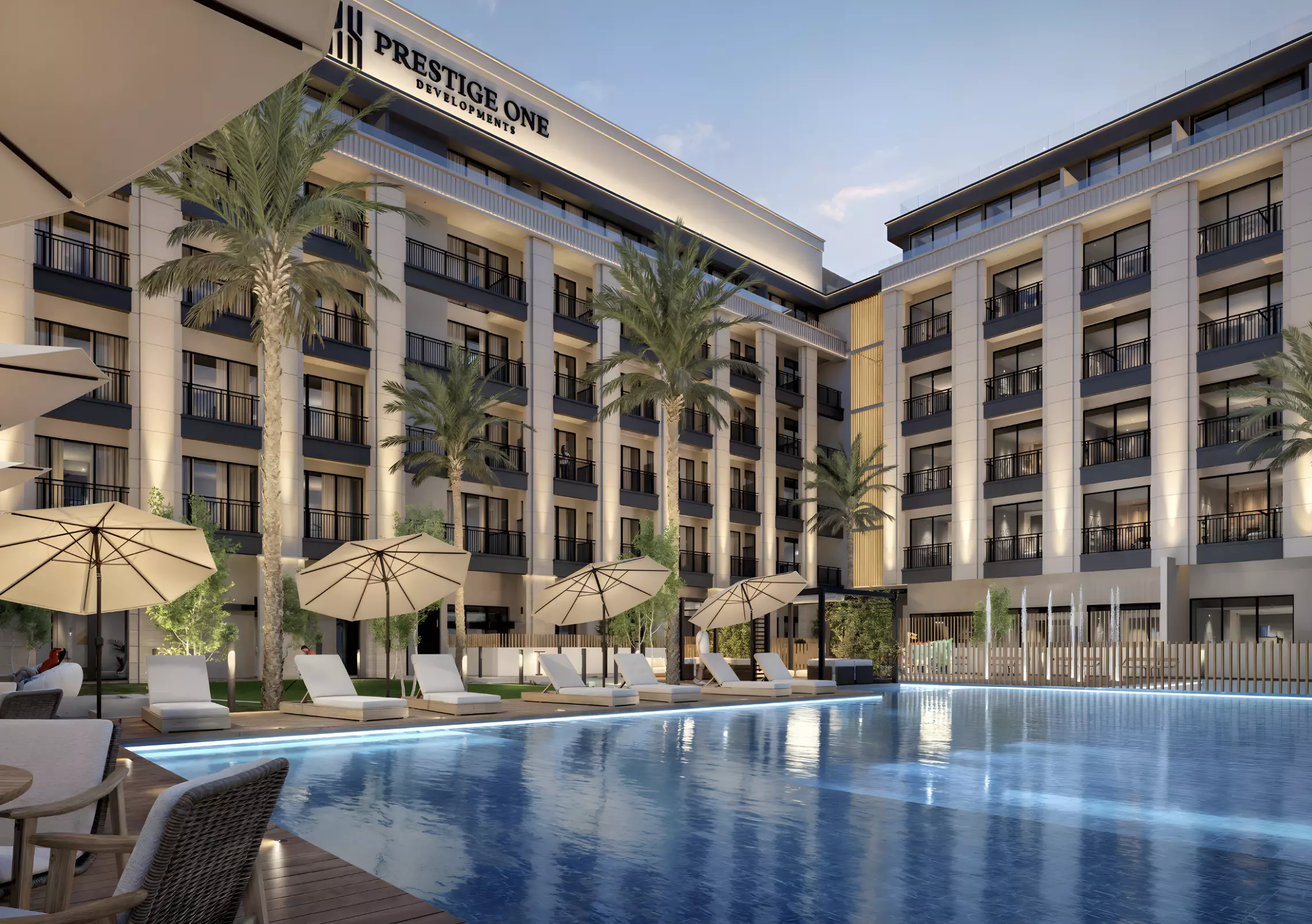
Apartments suit investors targeting rental yield and buyers who want their first step into the Dubai market. They work as buy-to-let assets in a community where tenant demand stays consistent. The penthouses cater to a different buyer entirely: someone who wants a top-floor footprint, larger living space, and likely better views, but who prefers community-scale pricing over a prestige address.
What the Amenities Say About the Project
| Category | Facilities |
|---|---|
| Fitness & Wellness | Gymnasium, Indoor Swimming Pool |
| Outdoor & Green | Landscaped Gardens, Children's Play Area |
| Services & Safety | Restaurants, CCTV Security |
The indoor swimming pool is the standout. Most mid-market towers in Dubai run outdoor pools, which become less usable through the summer months. An indoor pool gives residents practical, year-round access. The on-site restaurant component is less common in this segment and pushes the project toward a self-contained living setup where residents are not forced out of the building for basic daily needs. The children's play area signals clearly that families are core to the intended resident profile.
For an investor, this amenity mix broadens the tenant pool. A building with family-oriented outdoor space and a gym-plus-pool combination attracts both households with children and young professionals, which reduces vacancy risk over time.
September 2028: What the Timeline Means for a Buyer Today
Construction began in May 2025. The expected handover is September 2028, a build cycle of roughly 3.5 years.
Buyers entering now are committing off-plan with just over two years before keys. For investors, that means no rental income through the construction phase. For end-users, the trade-off is today's pricing in exchange for a future move-in date.
65% During Construction, 35% After Handover
| Stage | Payment |
|---|---|
| During construction | 65% |
| Post handover | 35% |
The 35% post-handover tail is the practical headline here. Most standard off-plan structures require the buyer to complete near or at handover, leaving no room to use the asset's own income to offset the remaining balance. A 35% post-handover schedule means that once the unit is handed over and tenanted, rental income can directly service what remains outstanding. For an investor, this improves cash-flow timing: you are not fully paid out before the asset starts generating returns. For an end-user, it reduces the lump-sum pressure at the point of key collection.