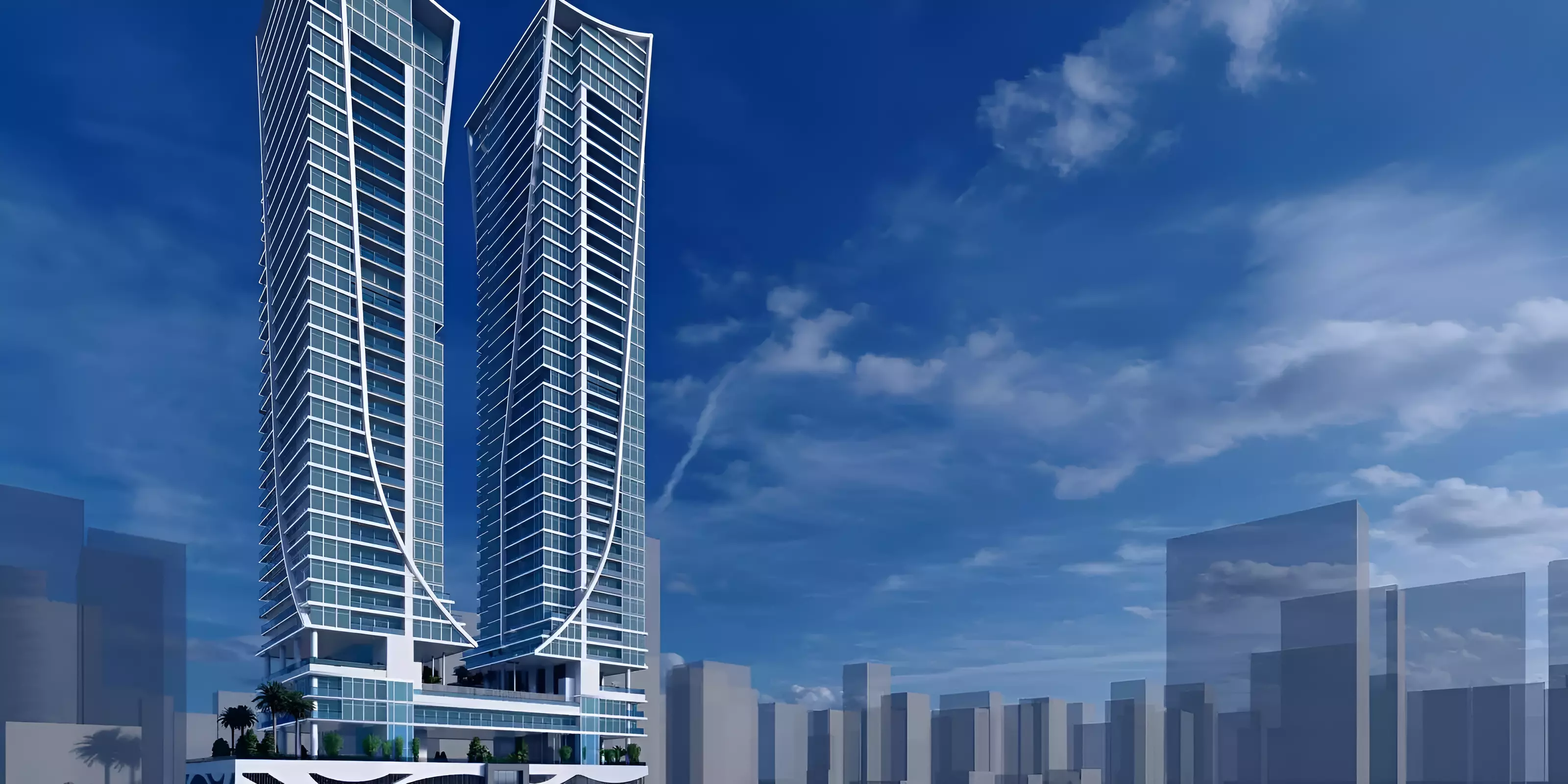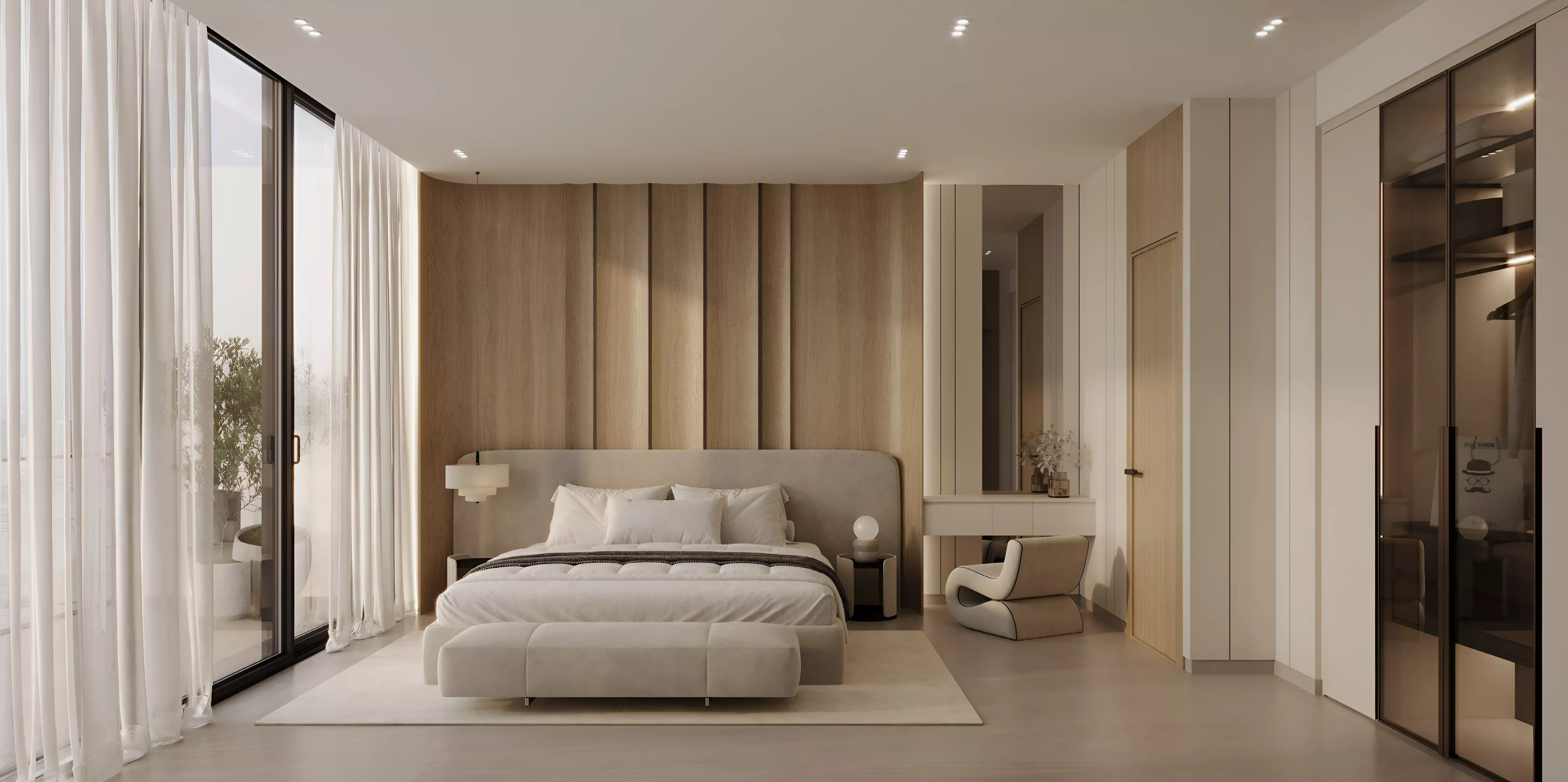
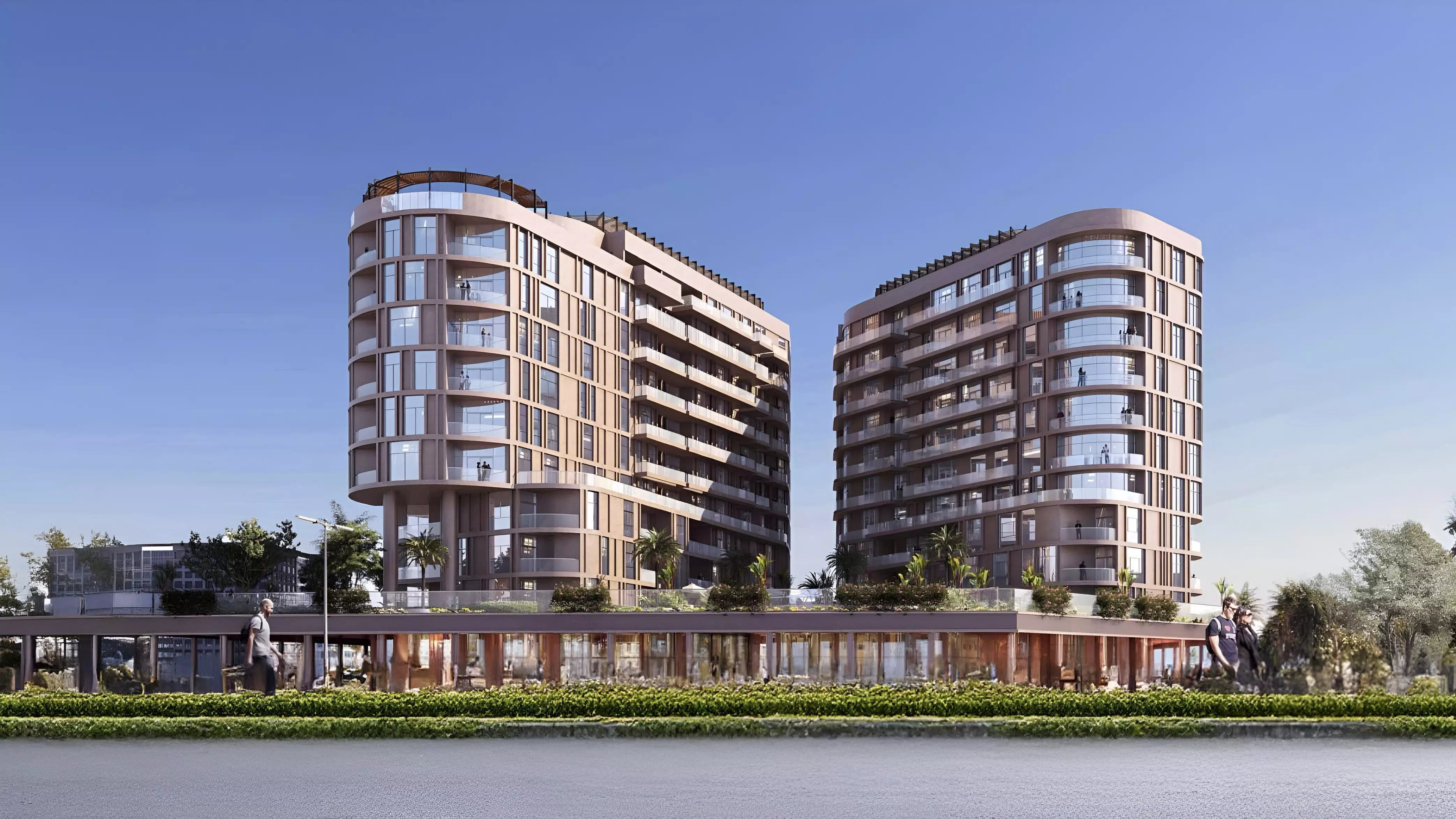
RPM Residence in Motor City: Apartments by Al Ansari Real Estate
Al Ansari Real Estate brings RPM Residence to Motor City, one of Dubai's most established self-contained communities. The development offers one, two, and three-bedroom apartments in a district built around the Dubai Autodrome and structured as a genuine residential neighbourhood rather than a transit corridor or high-density investment zone.
Motor City: What the Location Delivers
Motor City sits in the southern corridor of Dubai, positioned between Sheikh Mohammed bin Zayed Road and Al Khail Road. That placement puts residents within reach of two of the city's major arterial routes. Downtown Dubai is roughly 25 minutes by car. Dubai Marina is about 20 minutes. Dubai International Airport runs around 30 minutes depending on traffic.
The community character is defined by lower-density residential streets, wide roads, and an established mix of dining and retail. Motor City lacks the tower-dense skyline of areas like JLT or DIFC. In its place, residents get space, physically and in terms of community scale. That suits families and professionals who value liveability and a settled neighbourhood feel over address prestige.
The Dubai Autodrome gives Motor City a distinct identity among Dubai residential communities. The area draws residents who have made a deliberate lifestyle choice rather than ended up there by price point alone.
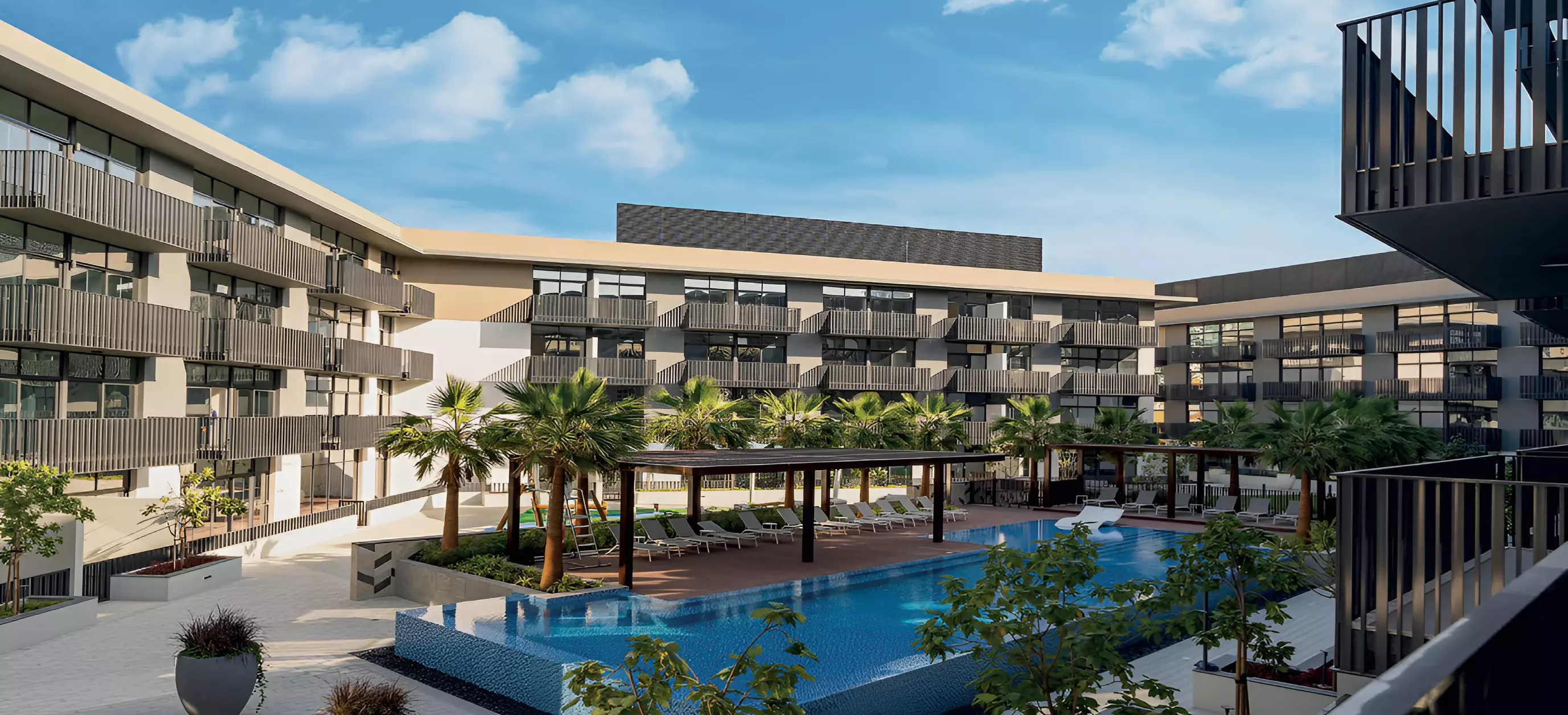
For an investor, the self-contained layout matters. A development with internal restaurants, retail, gardens, and a children's play area draws residents who plan to use those facilities regularly. That resident profile tends to support longer lease terms and lower vacancy friction compared to transient or tourist-facing addresses.
One, Two, and Three-Bedroom Apartments
RPM Residence offers apartments across three configurations: one-bedroom (Type A), two-bedroom (Type C), and three-bedroom (Type B).
The one-bedroom is the most accessible entry point. It suits a single professional or couple, and from an investment perspective, smaller units in residential communities typically tenant faster and are easier to exit than larger ones.
The two-bedroom is the most versatile option. It works for a small family, a couple wanting a dedicated second room, or a shareable arrangement between two professionals. Across the building's three configurations, the two-bedroom serves the widest range of resident profiles.
The three-bedroom suits a growing family or buyers who want permanent space for guests. Motor City's community infrastructure, with its low-traffic streets, play areas, and landscaped grounds, supports family-oriented living directly.
Amenities: Built for Residents, Not Just Brochures
| Category | Facilities |
|---|---|
| Wellness | Indoor Swimming Pool, Gymnasium |
| Outdoors | Landscaped Gardens |
| Daily Life | Restaurants, Retail Facilities |
| Family | Children's Play Area |
| Operations | Security |
The indoor swimming pool stands out. In Dubai, an outdoor pool offers comfortable use for roughly four to five months of the year. An indoor pool extends that to all twelve months, making it a genuinely functional amenity rather than a seasonal one. The gym and indoor pool together push the wellness offering beyond what most community-residential buildings include.
The combination of restaurants, retail, gardens, and a children's play area makes the target resident profile clear. The developer built RPM Residence for people who plan to stay, use the facilities, and treat the building as home rather than a short-term base. Seven amenities at this level is a solid package for a community-scale development.
Timing: Where This Project Stands Now
RPM Residence had an original expected completion date of December 2025. That date has passed. Buyers looking at this project now are most likely evaluating a completed or near-complete asset rather than committing to a multi-year off-plan wait.
That changes what you are buying. Construction risk is largely behind this project. An actual unit exists to inspect rather than floor plans and renders. An investor can move toward placing a tenant in an established community without waiting out a development timeline. An end-user can plan a move without a floating handover date introducing uncertainty.