
Projects in Motor City
View on map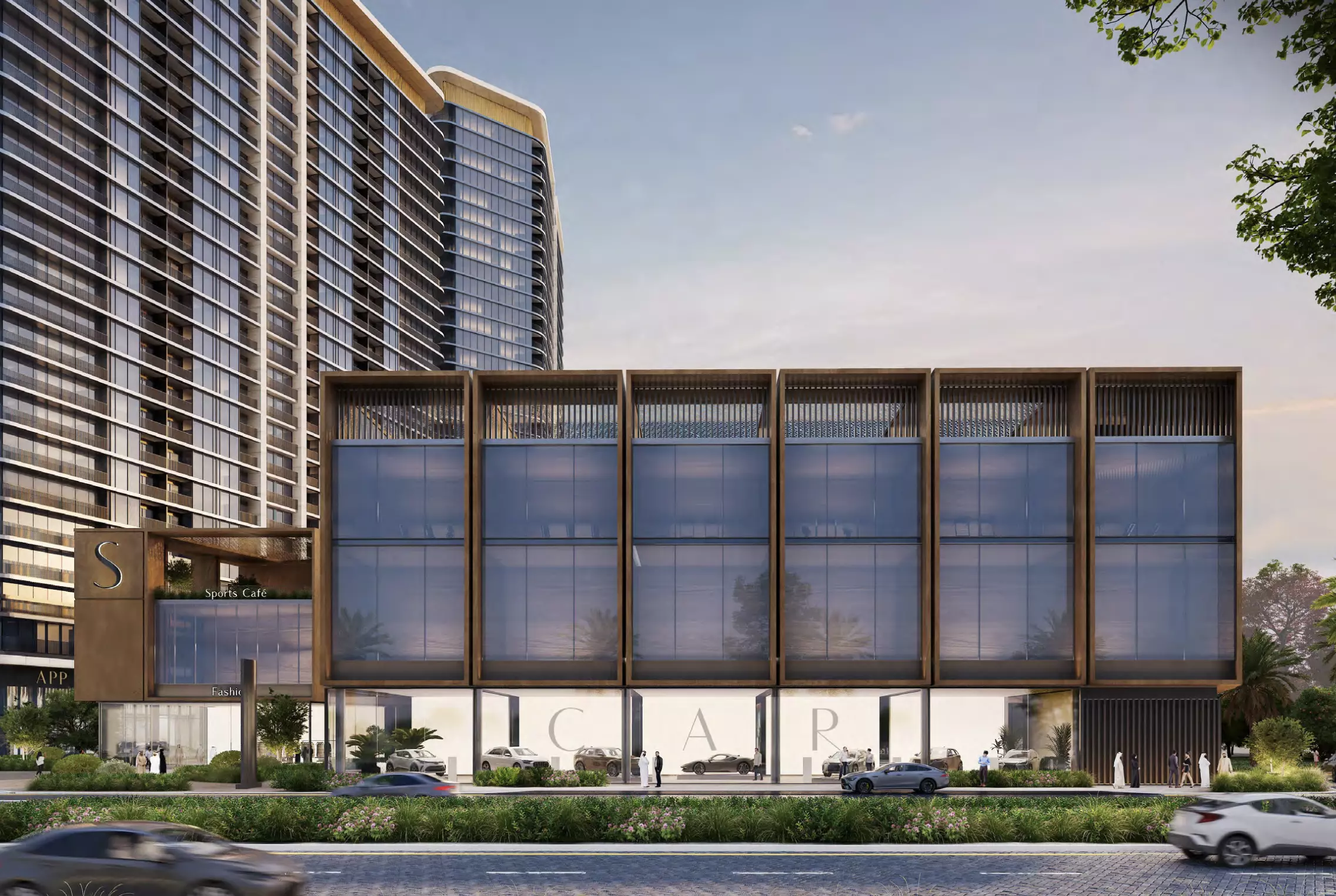
AED 1M
AED 840K
AED 985K
AED 871K
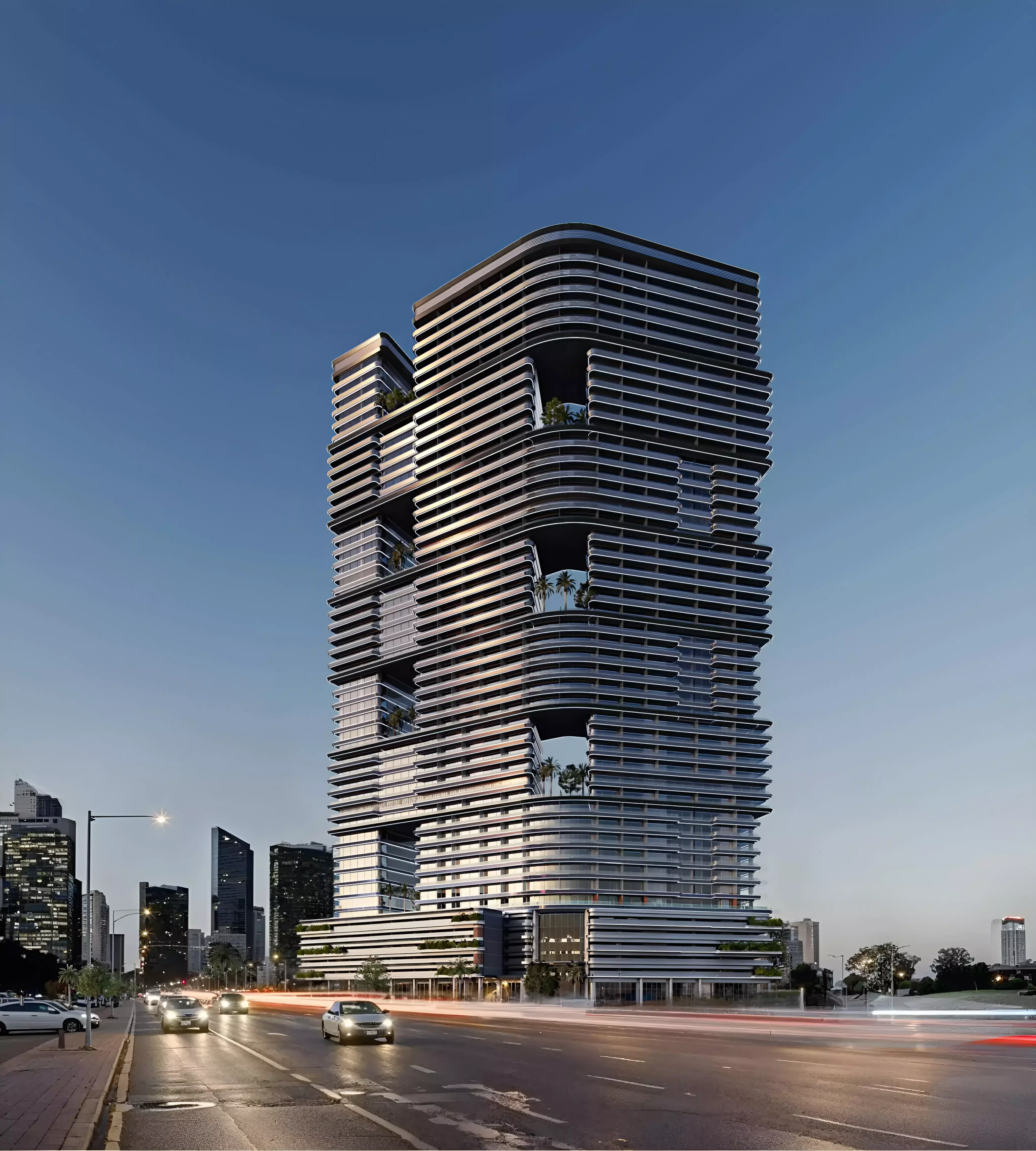
AED 775K
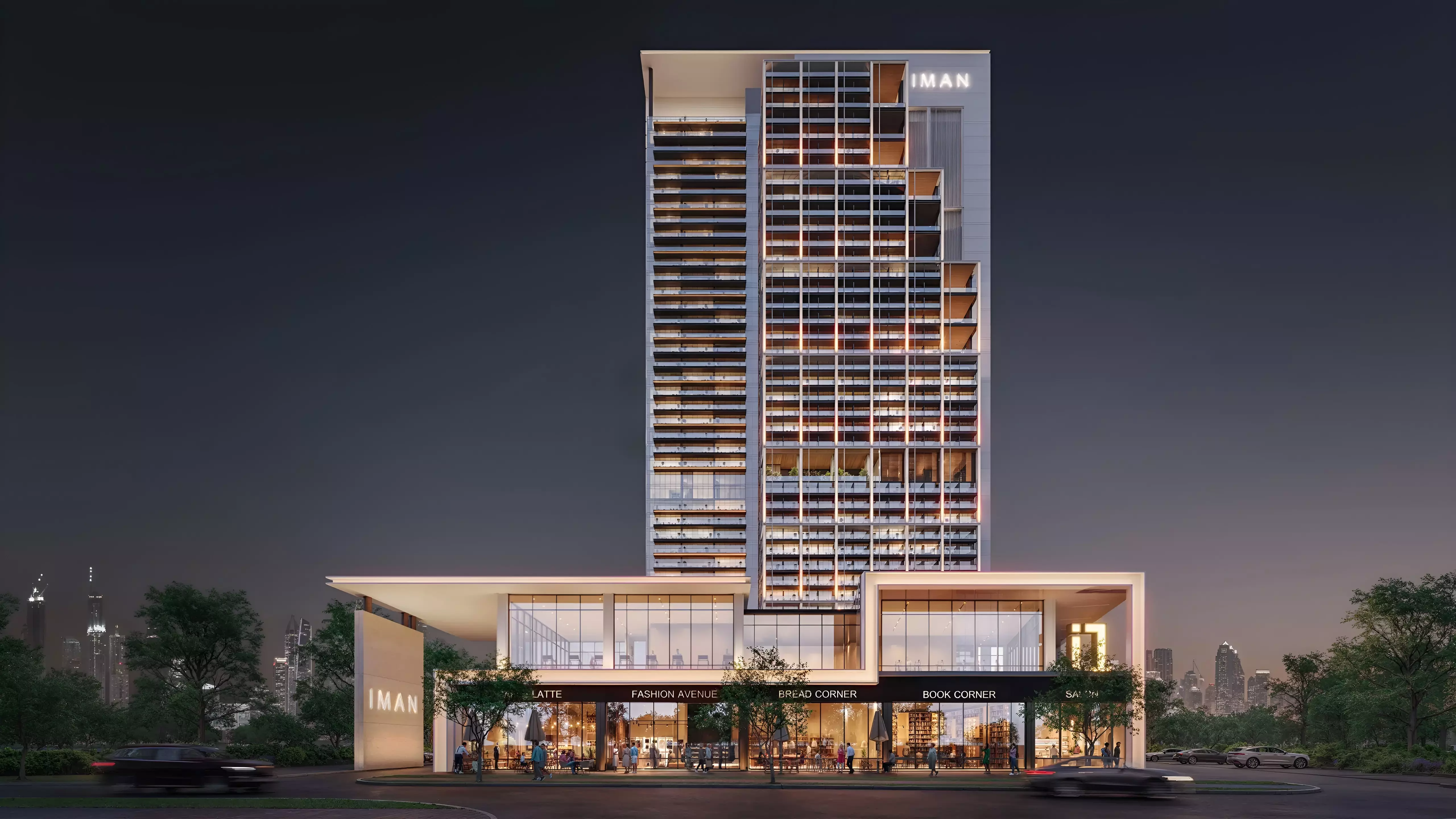
AED 799K
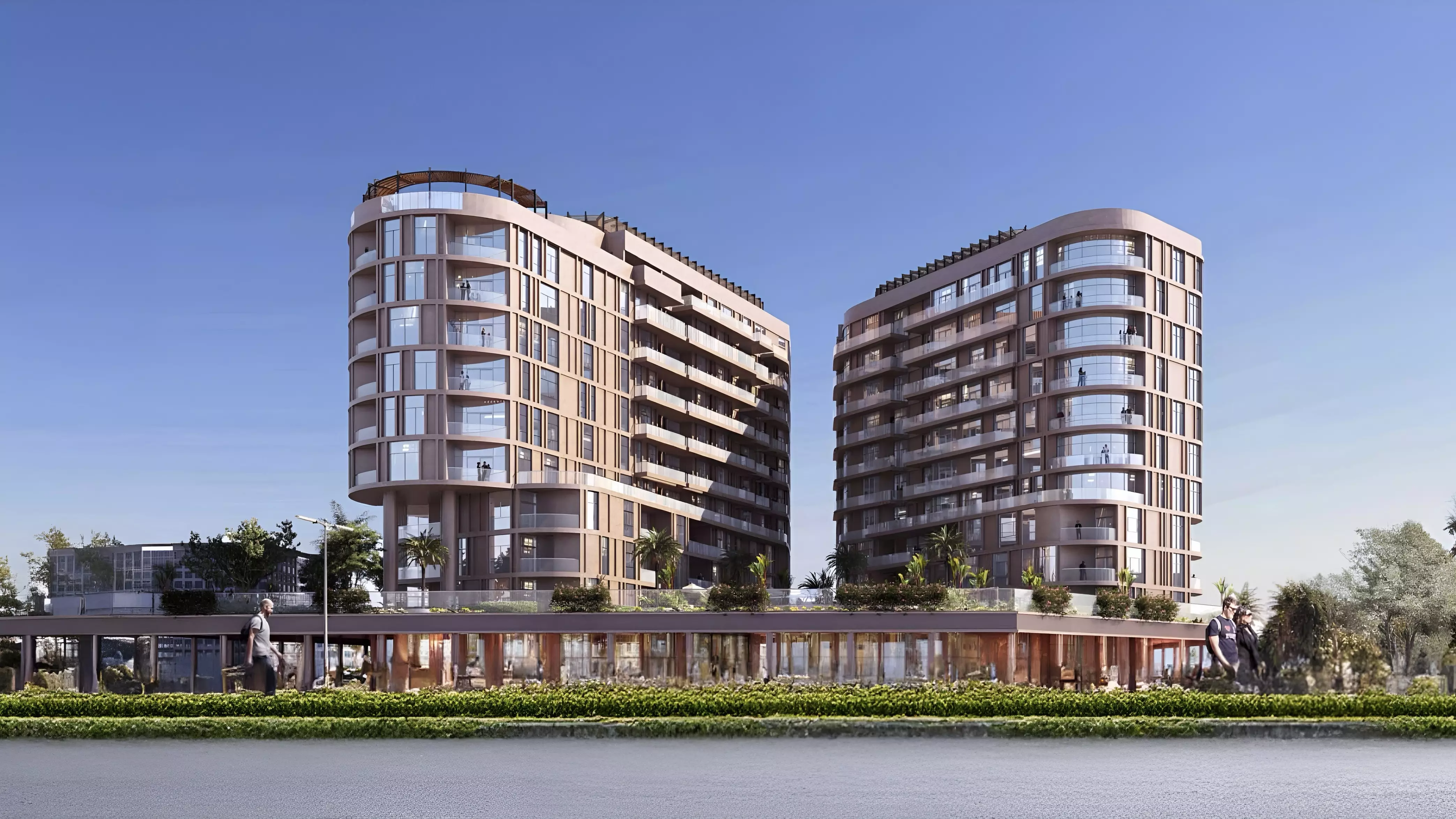
On request
Information only · We can’t help you buy in this project

On request
Information only · We can’t help you buy in this project

AED 7.1M
Information only · We can’t help you buy in this project

AED 7.5M
Information only · We can’t help you buy in this project
Nearby Projects
- New Projects in Dubai Studio City
- New Projects in Arjan
- New Projects in Dubai Sports City
- New Projects in Tilal Al Ghaf
- New Projects in Jumeirah Village Circle
- New Projects in Damac Hills
- New Projects in Dubai Science Park
- New Projects in Damac Lagoons
- New Projects in Jumeirah Golf Estates
- New Projects in Mudon
- New Projects in Dubai Production City (IMPZ)
- New Projects in Jumeirah Village Triangle
- New Projects in The Oasis by Emaar
- New Projects in The Acres
- New Projects in The Heights Country Club & Wellness
Other Developers
- New Projects by Union Properties P.J.S.C
- New Projects by Sobha Realty
- New Projects by CITYVIEW Developments
- New Projects by Iman Developers
- New Projects by Tiger Group
- New Projects by Binghatti Developers
- New Projects by Al Ansari Real Estate
- New Projects by HMB Properties
- New Projects by Aqua Properties Developers
New Projects in Motor City: Where Community Infrastructure Defines the Buy Case
Motor City is a residential district in Dubai where a varied mix of developers has brought new projects to market across multiple property types. The amenity profile across these launches is consistently community-focused: gyms, children's play areas, landscaped gardens, indoor pools, retail facilities, and restaurants appear in project after project. That pattern points to a district serving residents who want daily needs covered within or near their building. The price median of AED 802,388 positions it as a mid-market address within Dubai.
Where AED 802K Is the Midpoint
AED 802,388 is the most practical benchmark for a buyer entering this market: the midpoint of what a typical new-launch unit costs here. The full range extends from AED 528,576 at the floor to AED 7,461,819 at the ceiling. That spread is not uniform across product types. The villa, penthouse, and some duplex projects pull the upper end significantly higher; for buyers focused on apartments, which make up the majority of the pipeline, the lower half of the scale is the more relevant starting point.
Five Property Types, One Dominant Profile
Motor City's current pipeline spans five distinct product types:
| Property Type | Projects |
|---|---|
| Apartment | 16 |
| Duplex | 3 |
| Townhouse | 3 |
| Penthouse | 1 |
| Villa | 1 |
With 16 apartment projects in the pipeline, the core buyer here is the investor or owner-occupier looking for managed, single-unit community living. The 3 duplex listings attract buyers who want split-level space without committing to a landed product. The 3 townhouse projects serve a family-oriented buyer with ground-level access and distinct floor separation. The 1 penthouse and 1 villa represent outlier product at the ceiling of the price range and do not reflect the district's typical offering.
Nine Developers, One District
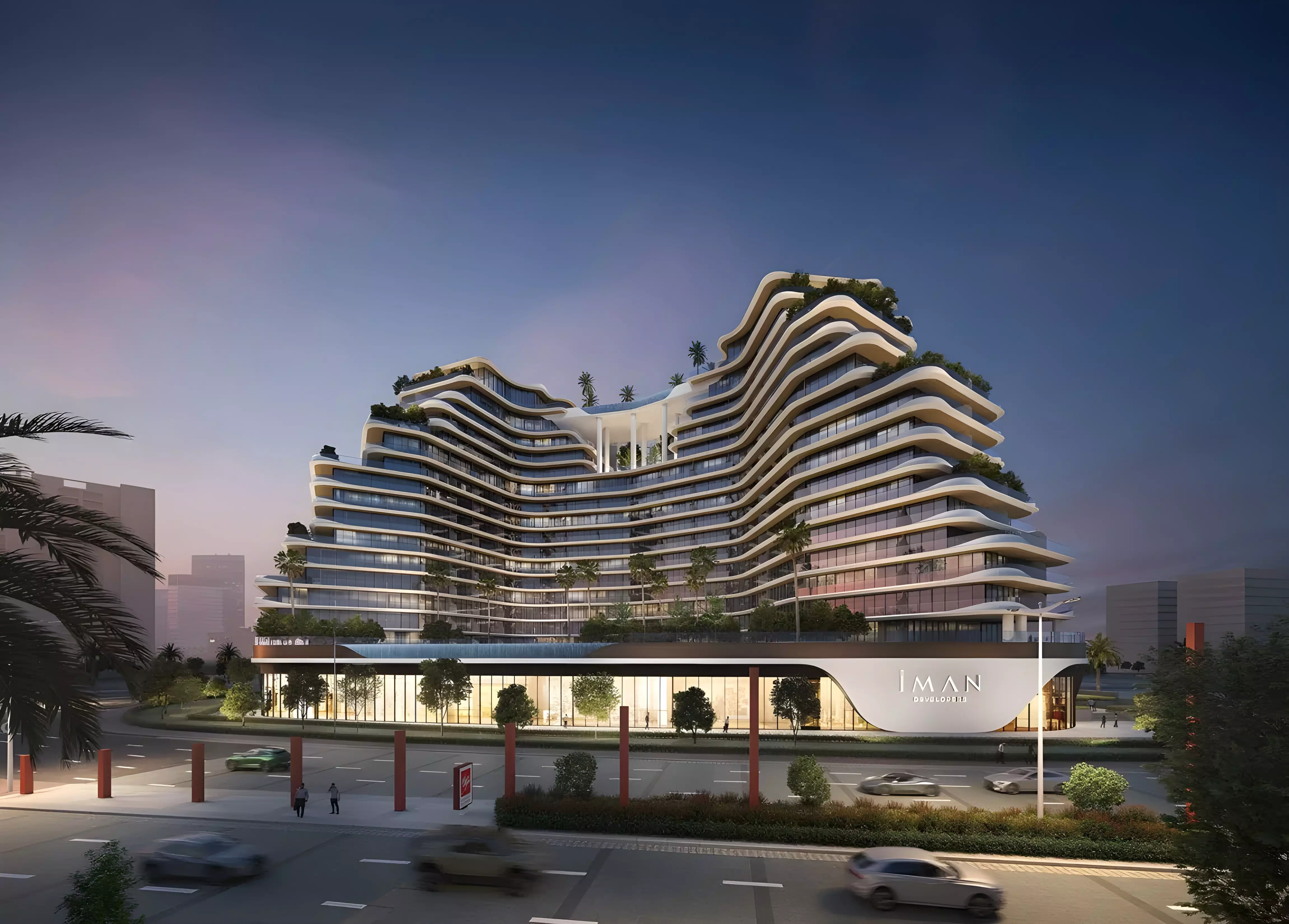
Nine developers are active across Motor City's current pipeline, with most carrying one or two projects each rather than a large multi-phase programme. That spread signals a moderately fragmented market rather than one anchored by a single dominant name. Union Properties is among the top developers in the mix alongside Sobha Realty, Iman Developers, CITYVIEW Developments, Al Ansari Real Estate, and others. Build quality and delivery track records differ across these names, and buyers focused on resale potential or construction consistency need to assess each developer individually rather than relying on a single district-wide read.
Notable sub-areas in the current pipeline include Sobha Orbis, Sobha Solis, Takaya, The Community, and Sierra by Iman, each representing a distinct developer product within the Motor City address.
Some Units Delivered, Pipeline Reaches to 2029
The earliest completion date in this pipeline is September 2024, which has already passed. Projects at or near that date may already be handed over or in final occupancy stages. Buyers should confirm current handover status and availability directly with those developers before assuming off-plan entry is still possible. The pipeline runs to January 2029 at the far end, giving buyers entering now a delivery window of up to approximately three years depending on the project they select.
5% Down, One Post-Handover Plan in the Mix
The lowest down payment across Motor City's current launches is 5% at signing, which sits at the low end of what Dubai off-plan developers typically require. Only 1 in 20 projects includes a post-handover payment plan. That structure extends payment obligations past the key handover date, spreading the total outlay over a longer period and reducing the front-loaded cash commitment for buyers managing liquidity across the medium term. The remaining 19 projects follow standard construction-linked payment schedules.
Family Infrastructure as the Common Thread
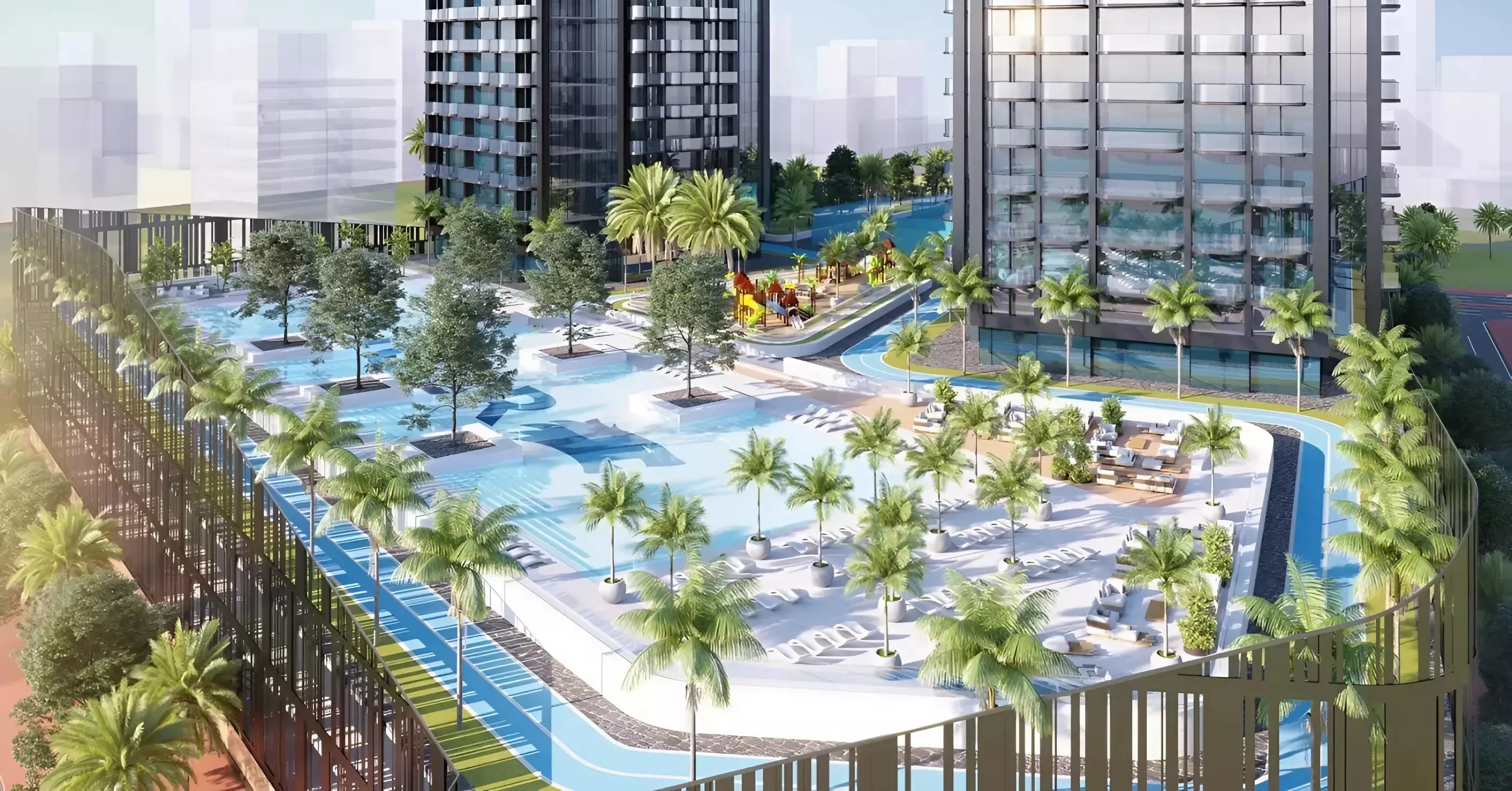
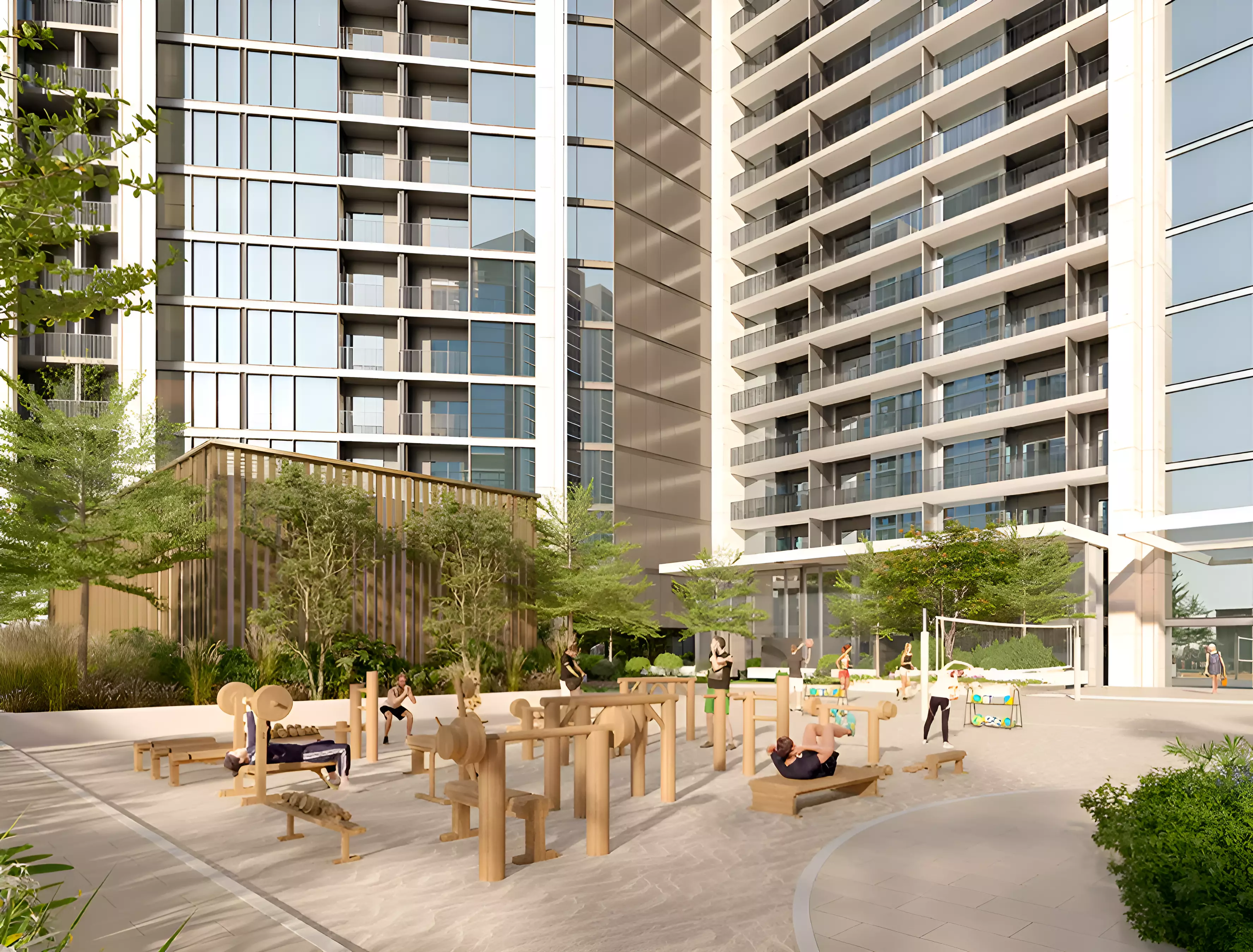
The amenity pattern across Motor City's launches is consistent and family-oriented. Children's play areas, landscaped gardens, barbecue areas, and indoor swimming pools appear as standard inclusions across multiple projects, alongside gyms, cinema rooms, in-building retail, and dining. Security and CCTV run throughout as baseline provisions rather than differentiators. Taken together, the pattern describes a district where developers are building for residents who expect to cover most of their daily and leisure needs without leaving the development perimeter, not primarily for investors holding from a distance.