
Projects in Ghantoot
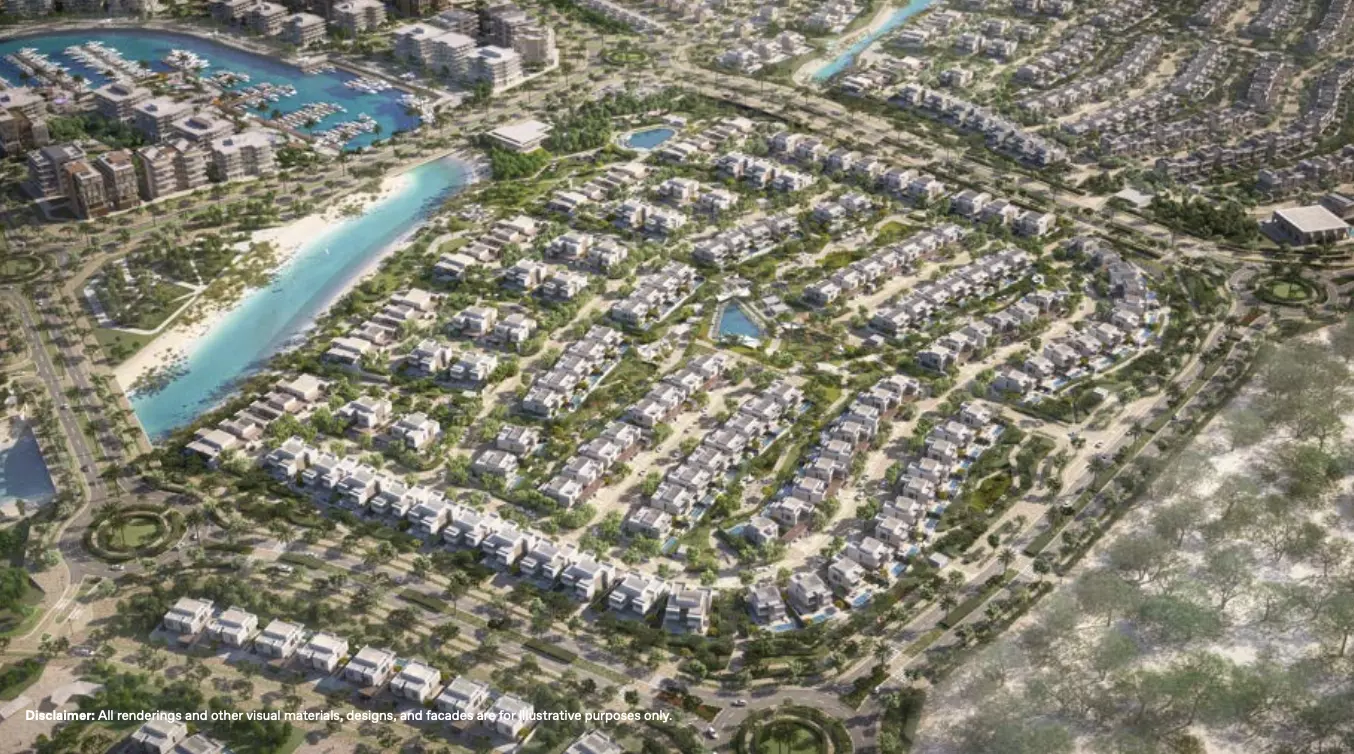
AED 10M
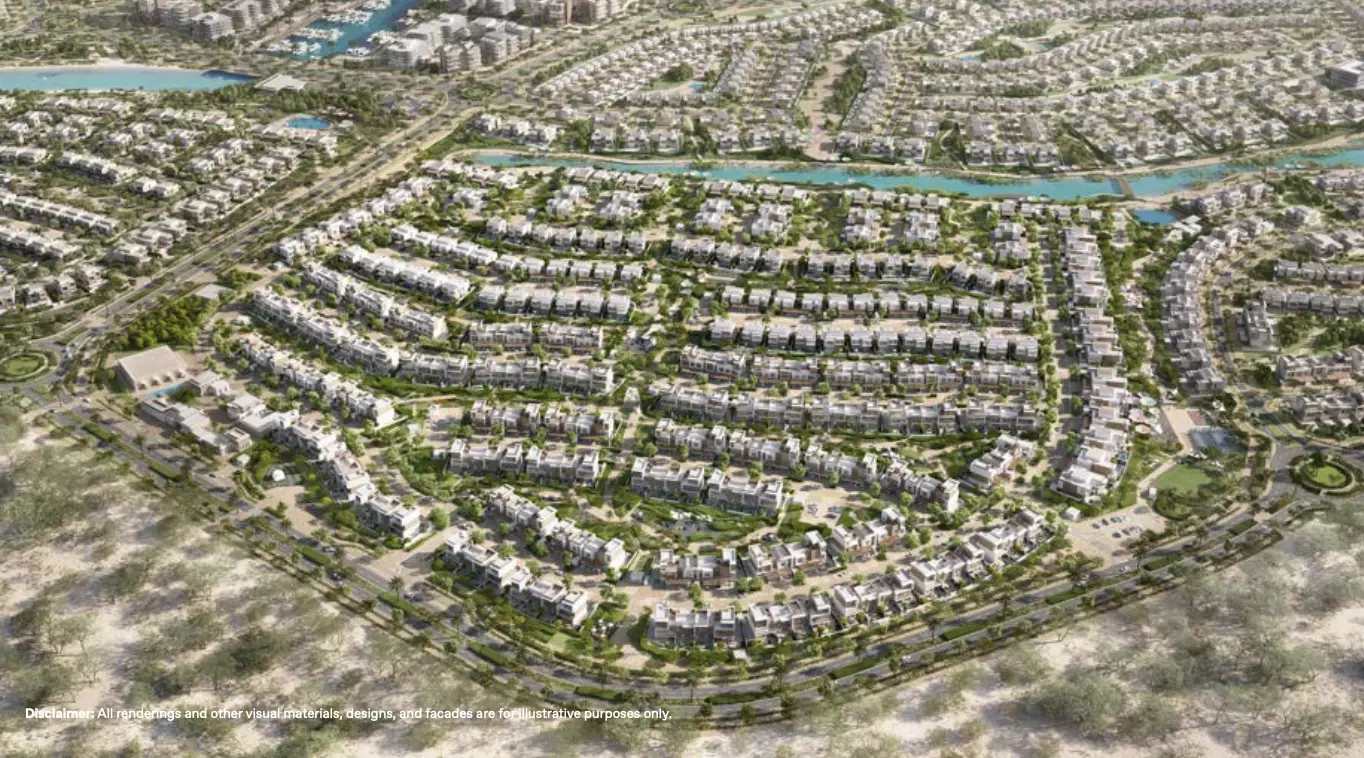
AED 2.8M
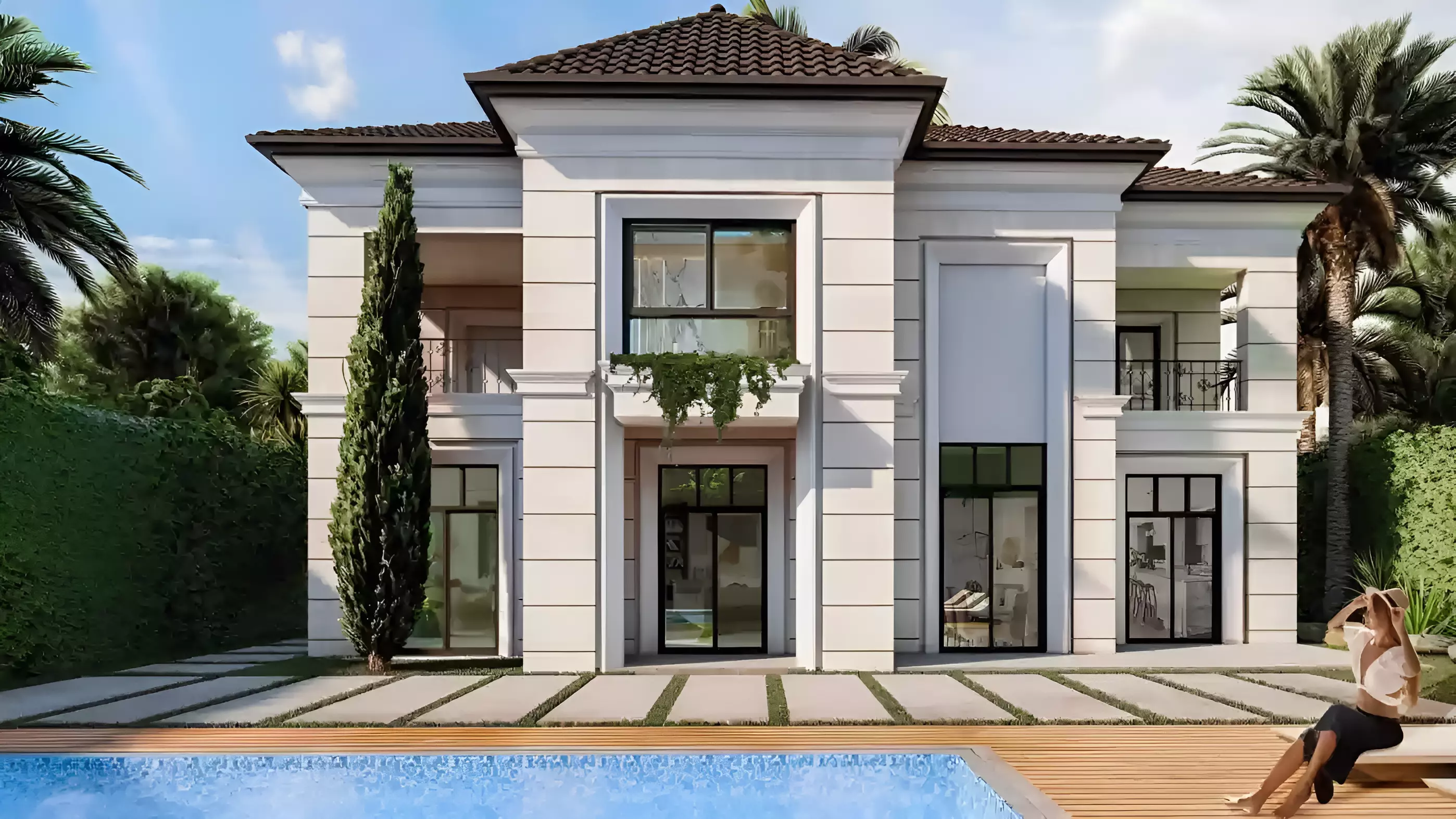
AED 10.8M
On request
On request
On request
AED 4.7M
AED 10.6M
On request
Nearby Projects
- New Projects in Al Ghadeer
- New Projects in Al Bahya
- New Projects in Yas Island
- New Projects in Ramhan Island
- New Projects in Fahid Island
- New Projects in Al Raha Beach
- New Projects in Al Shamkha
- New Projects in Masdar City
- New Projects in Khalifa City
- New Projects in Saadiyat Island
- New Projects in Al Reem Island
- New Projects in Al Maryah Island
- New Projects in Al Salam Street
- New Projects in Al Hudayriat Island
Other Developers
Explore by Developer in Ghantoot
Low-Density Living on Abu Dhabi's Western Coast: New Projects in Ghantoot
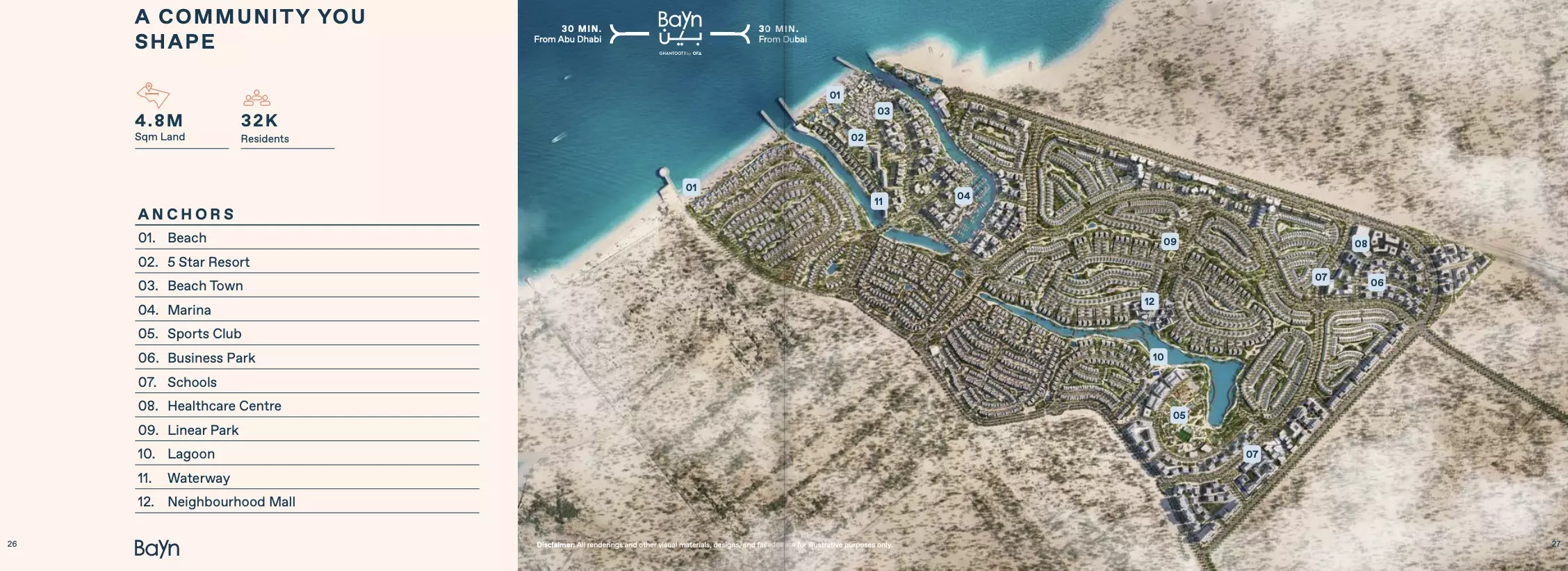
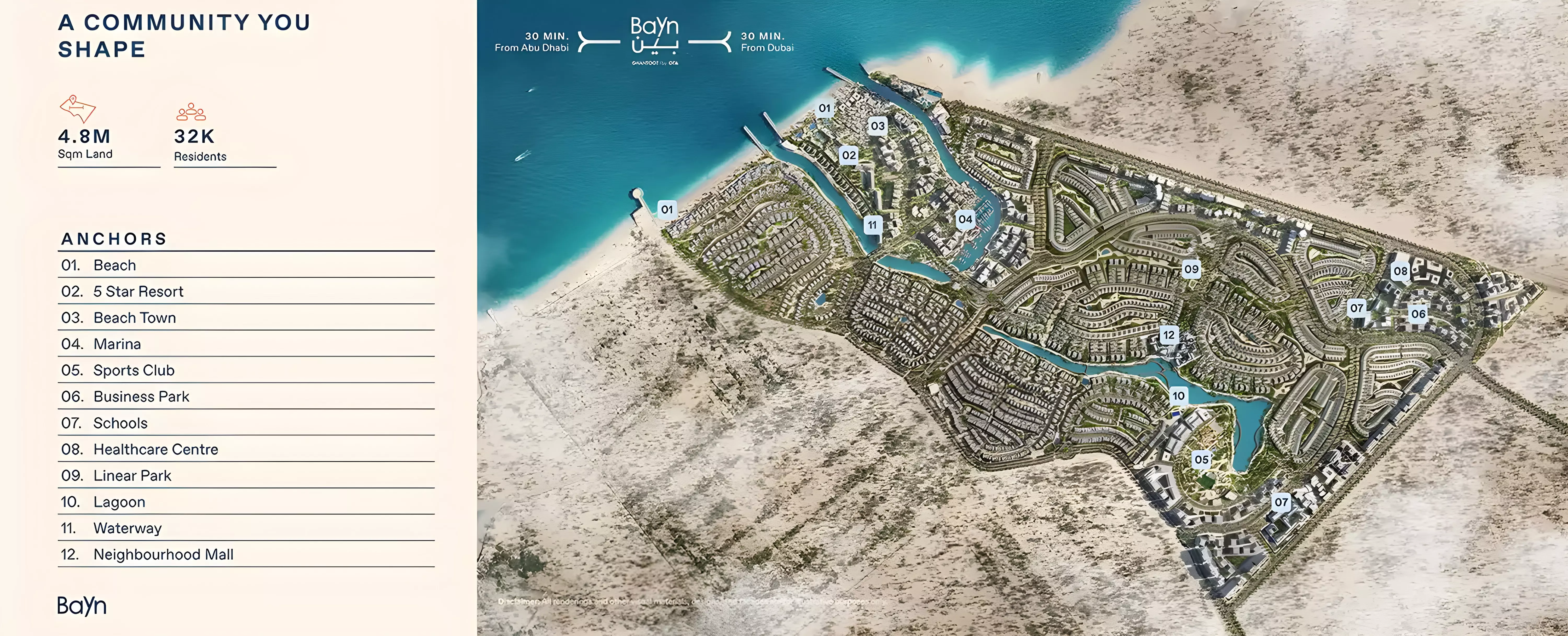
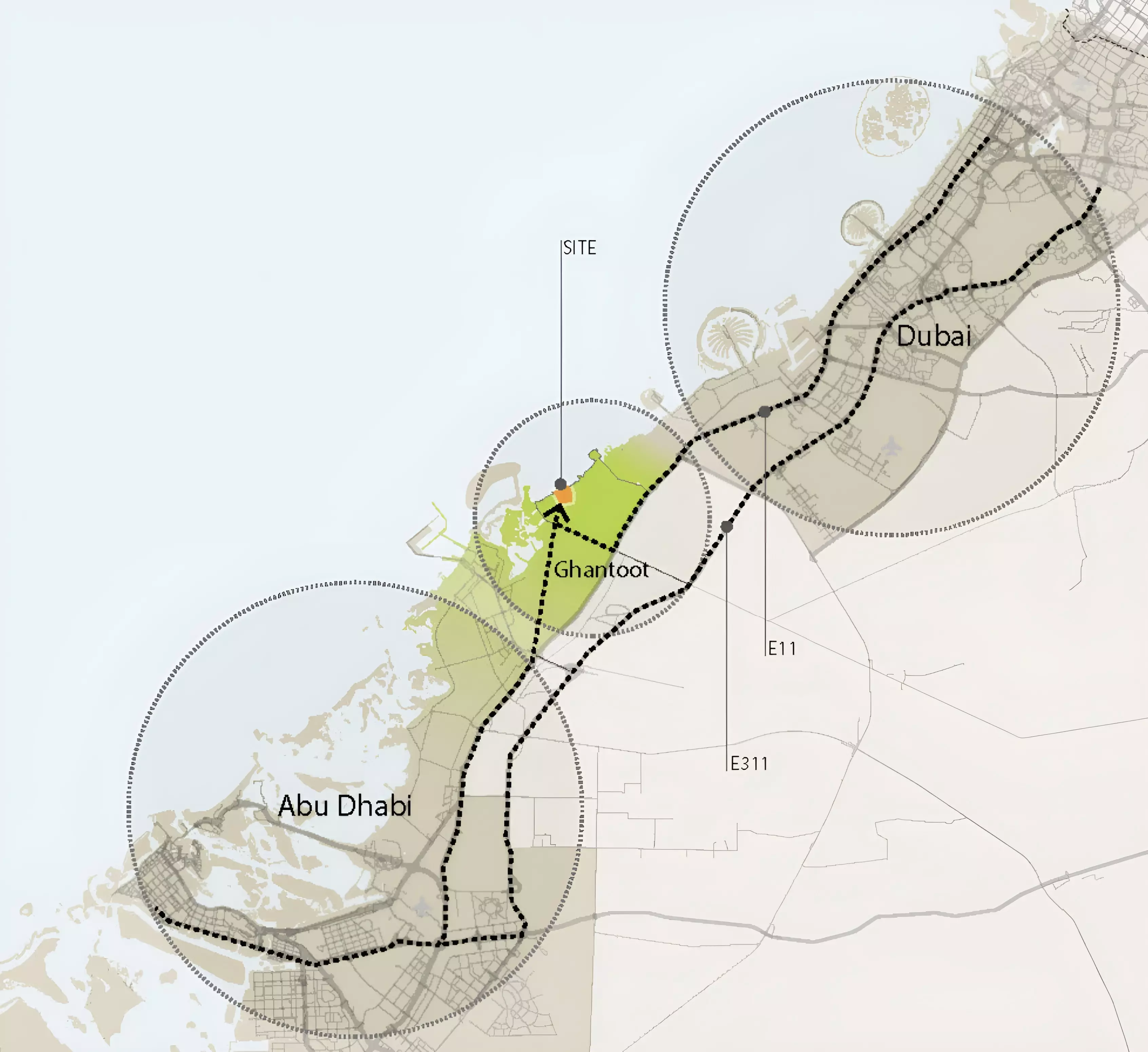
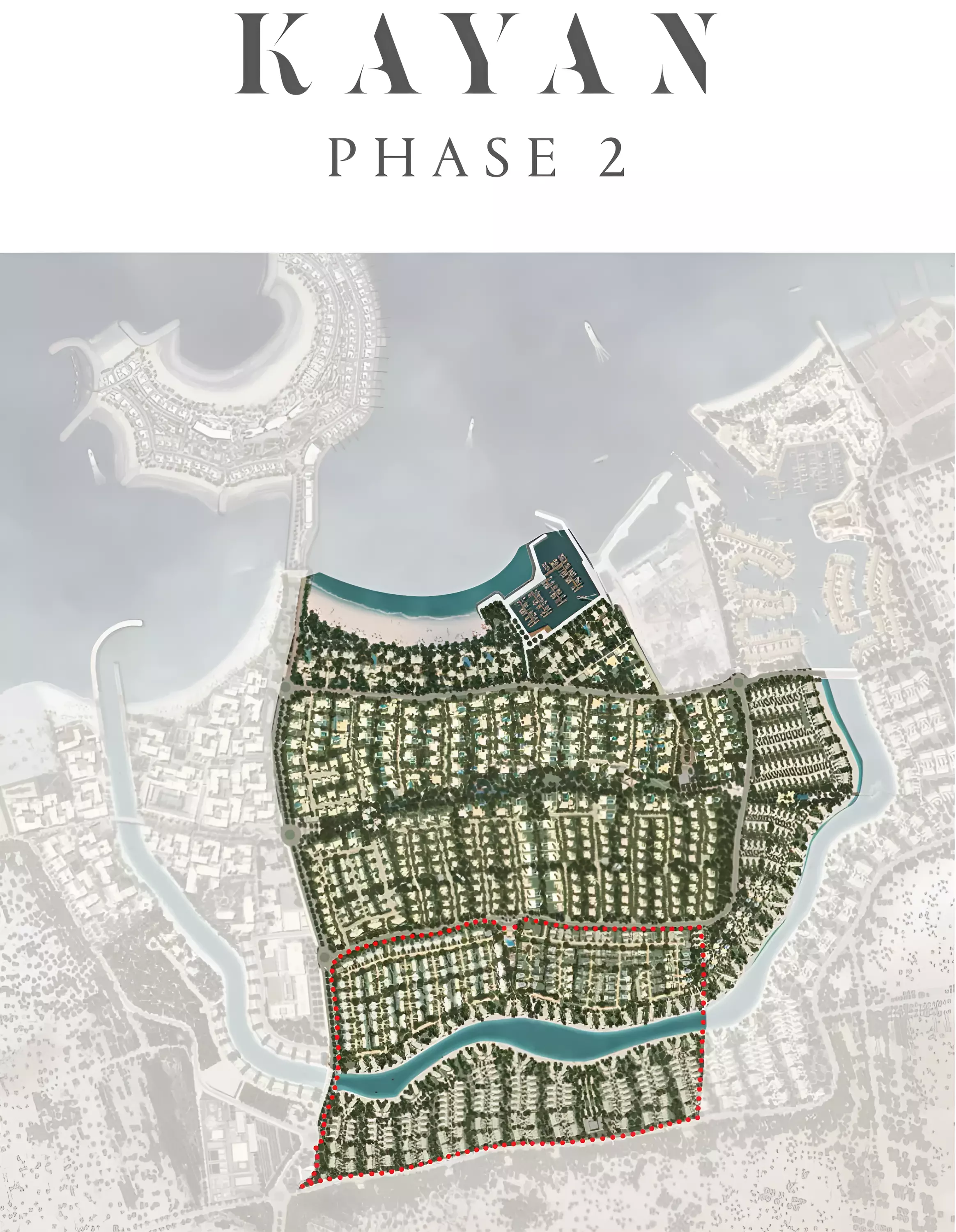
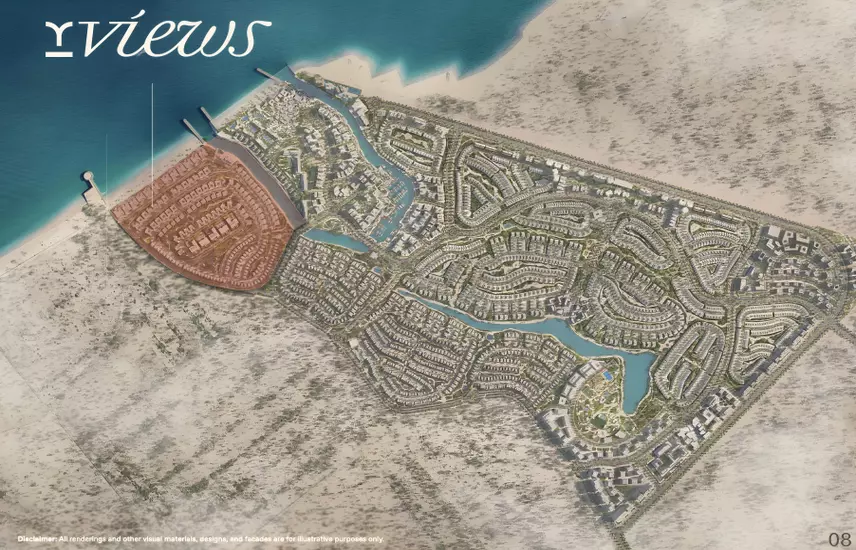
Ghantoot sits at the western edge of Abu Dhabi's coastline, positioned between the capital and Dubai along the Arabian Gulf. It is not an urban district. Development here is deliberately low-density, focused on villa and townhouse communities with beach access and generous landscaping. Within Ghantoot, the active sub-areas are AlJurf and Bayn by Ora Developers, each a distinct master-planned community rather than a typical residential cluster.
Nine projects are currently listed across the district. That is enough inventory to offer meaningful choice in property type and price point, but not enough to make broad market comparisons. The mix tilts decisively toward end-user buyers rather than investors chasing rental yield.
A Median of AED 10 Million
The price range in Ghantoot is wide. Entry-level units start at AED 2,750,000, while the top end reaches AED 25,850,000. The median of AED 10,000,000 is the most useful figure: it sits squarely in villa territory and reflects what the typical transaction in this district actually looks like.
| Property Type | Projects |
|---|---|
| Villa | 8 |
| Townhouse | 3 |
| Apartment | 1 |
| Penthouse | 1 |
Villas dominate, consistent with the district's positioning as a coastal retreat. Townhouses offer an entry point into the same low-rise, garden-forward character at lower absolute prices. The single apartment and penthouse listing suggests at least one project operates within a waterfront building rather than a plot-based scheme, which accounts for the top end of the price range.
Three Developers, One Direction
ORA, IMKAN, and Ohana Real Estate Development account for all current listings. Three developers across nine projects signals a structured, master-planned approach rather than a fragmented market with many competing names. For buyers thinking about resale, consistent developer quality and a coherent district vision matter. There is less variety in architectural style or specification range here than you would find in a district where a dozen developers compete for the same buyer.
Handover timing spans a long window. Some projects carried an estimated completion as early as March 2026, meaning certain units may already be handed over or close to it — buyers should verify current status directly. The far end of the off-plan window runs to December 2029 for projects in earlier construction stages.
Entry requirements are accessible for a high-median market. The minimum down payment stands at 5%, which is a low entry point relative to typical Abu Dhabi off-plan requirements. One project in the district offers a post-handover payment plan, allowing buyers in that scheme to continue installments after keys are collected rather than settling the full balance at handover.
The amenity pattern across Ghantoot leans toward leisure and security: beach access, infinity pools, landscaped gardens, and consistent security infrastructure appear across projects. This is not an area shaped by commuter density or urban services. The buyer here is purchasing a coastal lifestyle with a long-term horizon.