
Projects in Al Warsan 4
View on map
AED 560K
On request
AED 450K
Information only · We can’t help you buy in this project

AED 557K
Information only · We can’t help you buy in this project
AED 488K
Information only · We can’t help you buy in this project
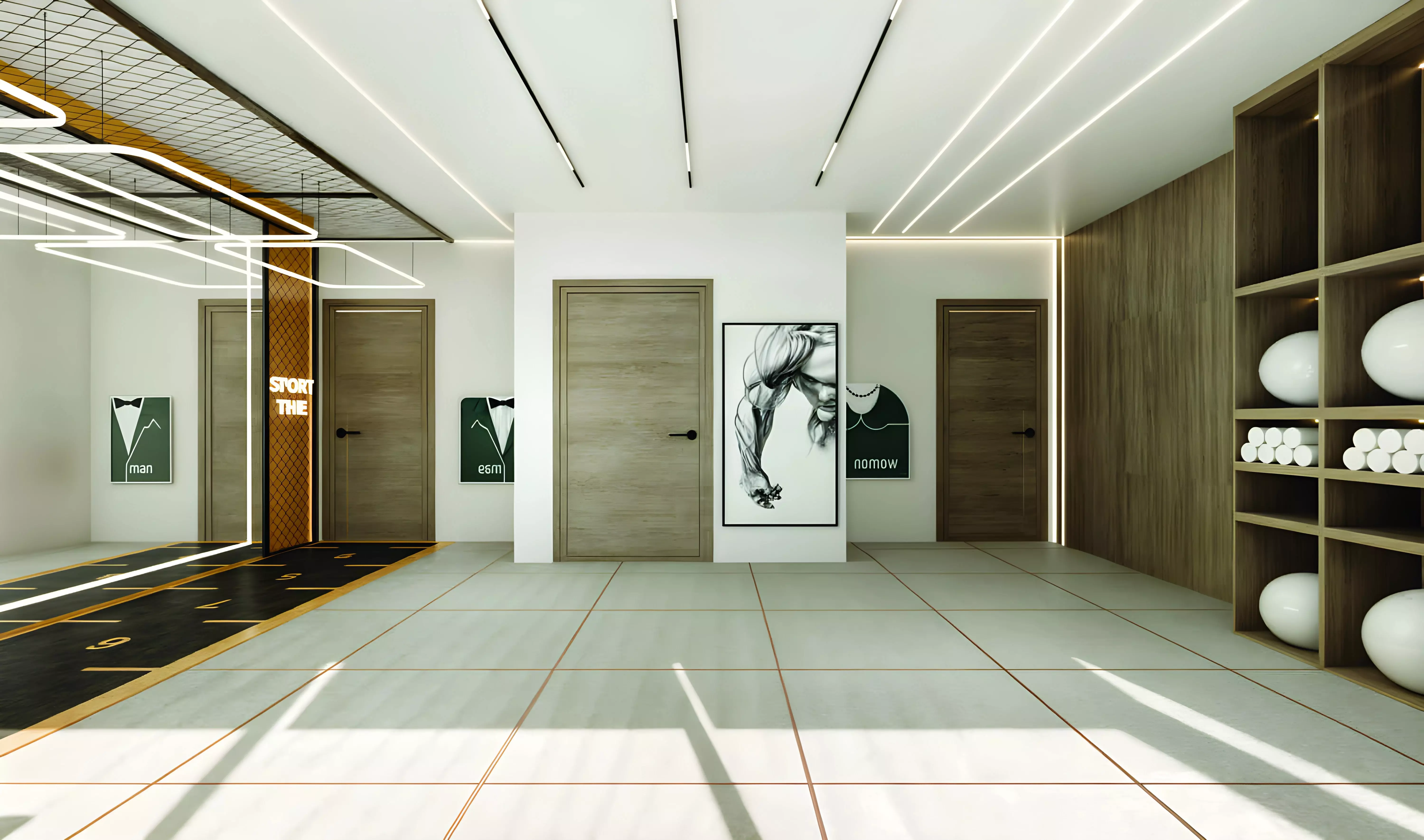
AED 459K
Information only · We can’t help you buy in this project
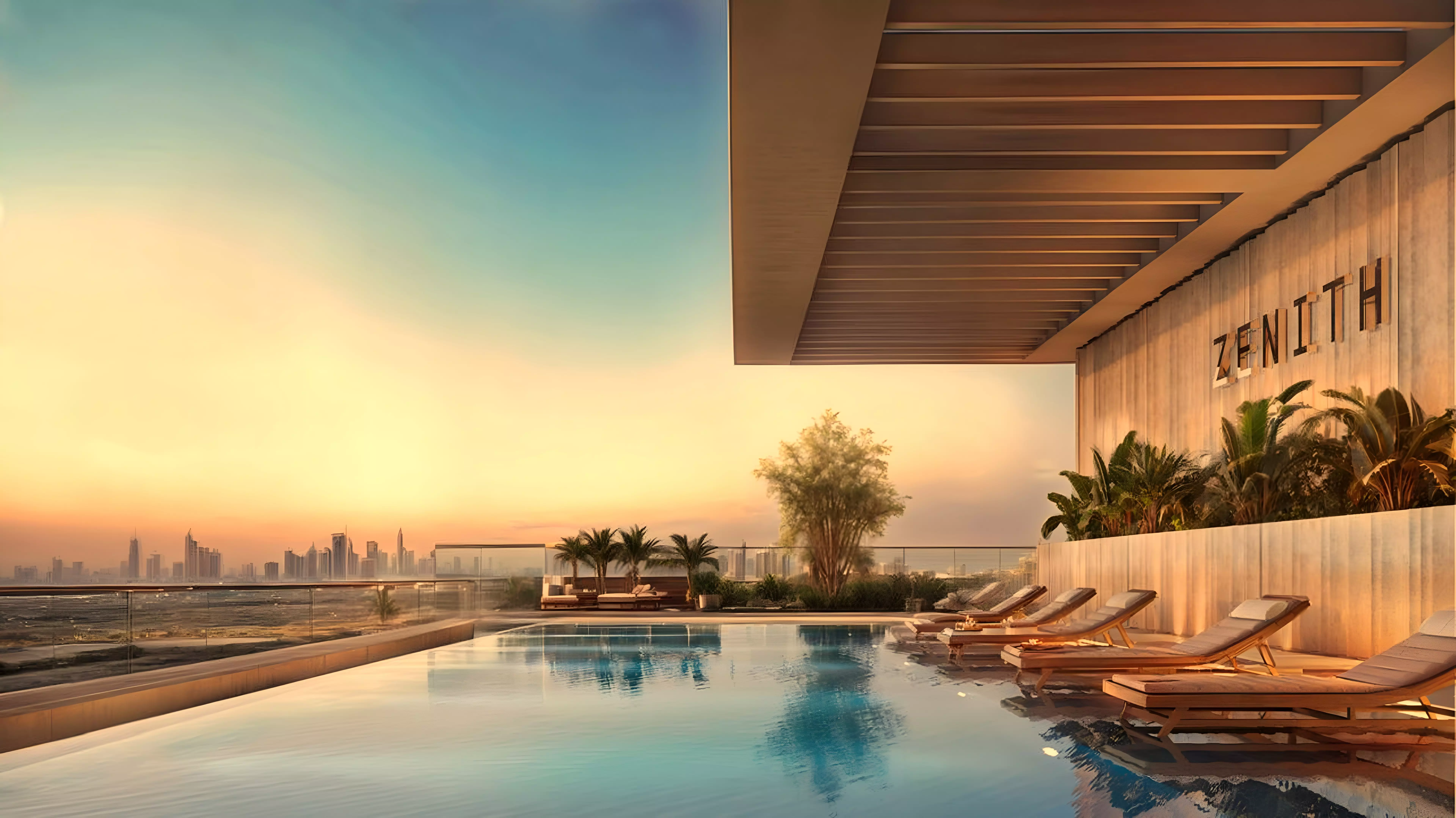
AED 772K
Information only · We can’t help you buy in this project
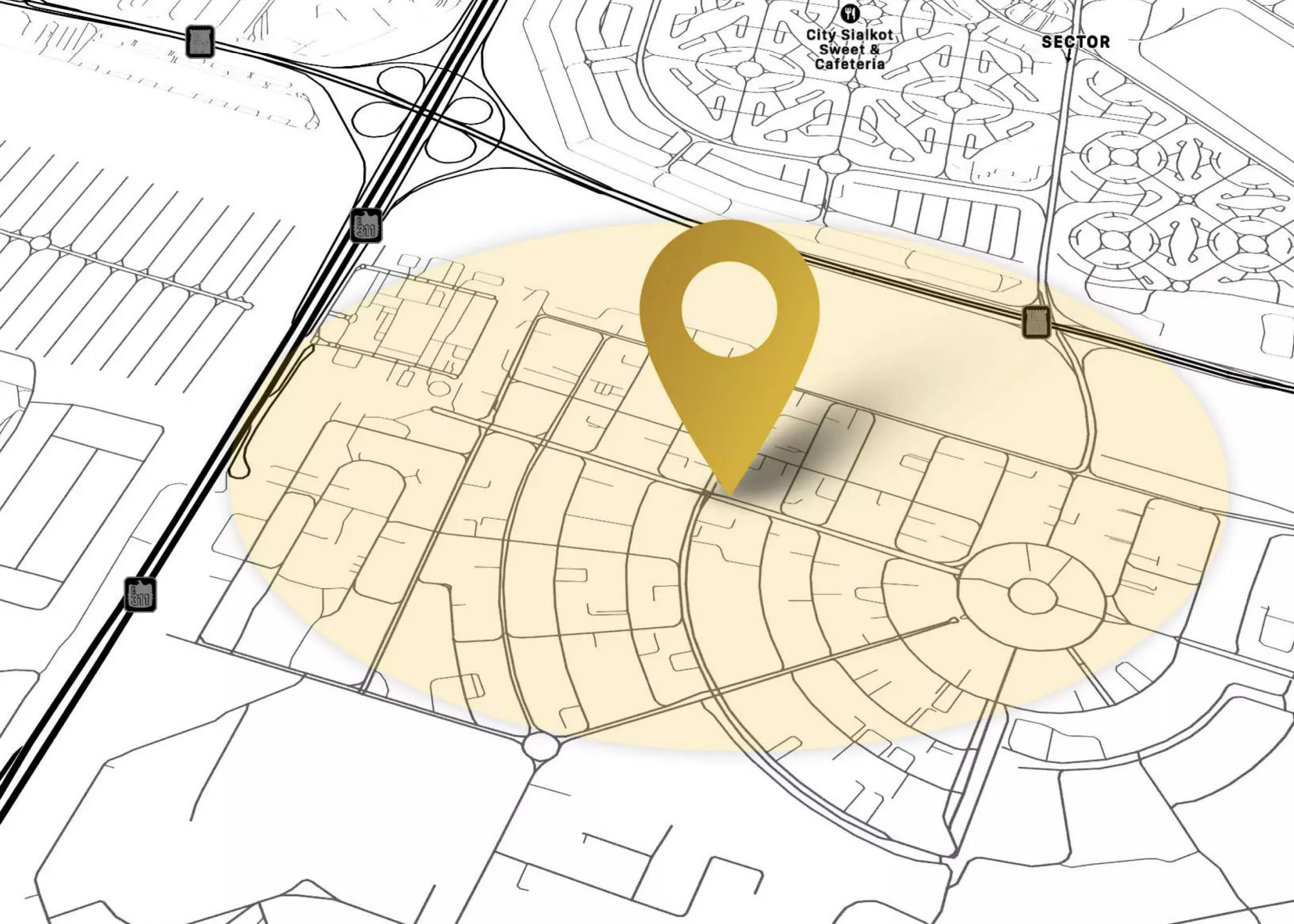
AED 525K
Information only · We can’t help you buy in this project
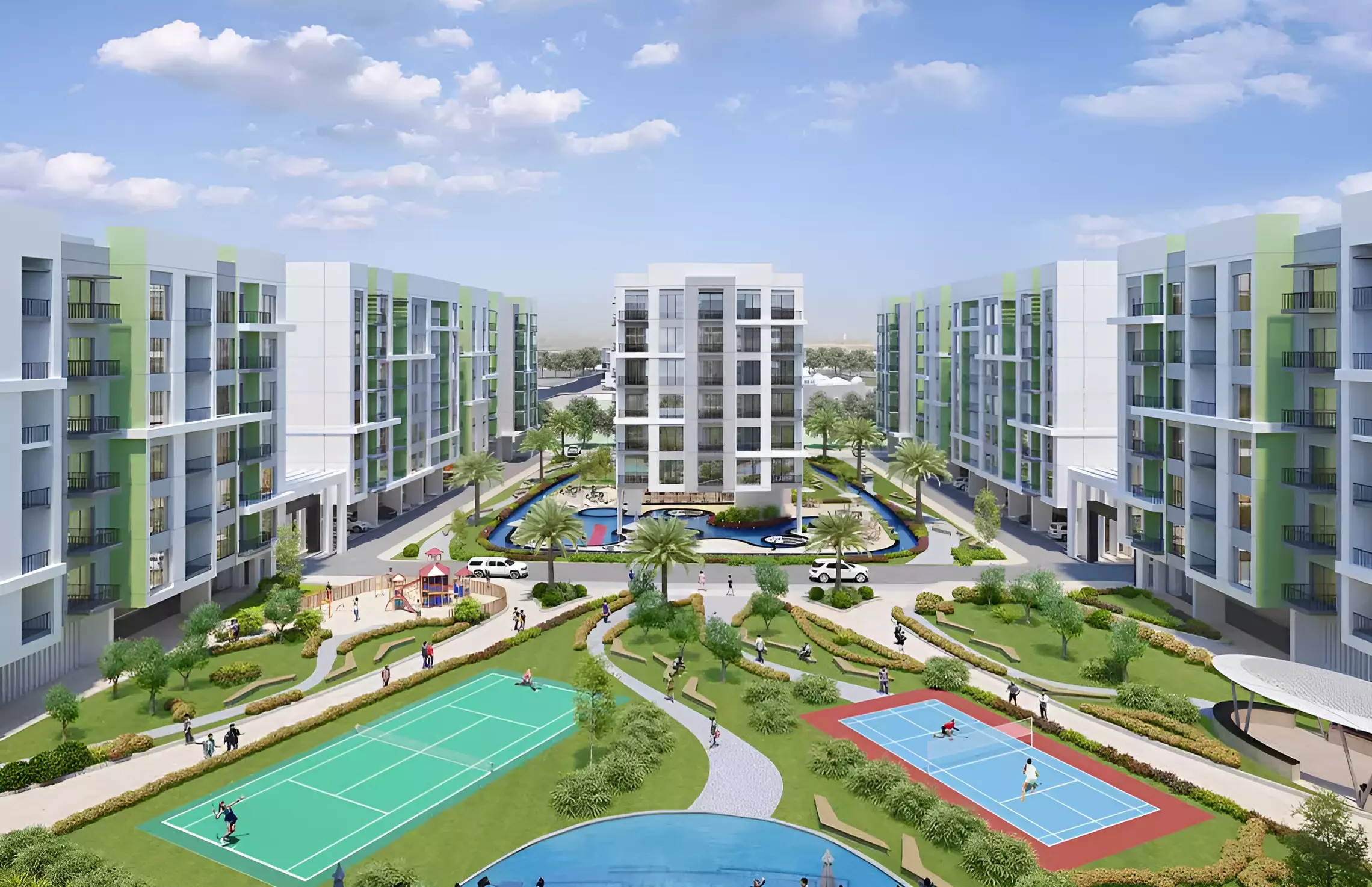
On request
Information only · We can’t help you buy in this project
AED 580K
Information only · We can’t help you buy in this project
Other Developers
- New Projects by Dugasta
- New Projects by Al Helal Al Zahaby Real Estate
- New Projects by Anax Developments
- New Projects by Samana Developers
- New Projects by Valores Property Development
- New Projects by Laraix Developers
- New Projects by JHK Developments
- New Projects by Jewel Development
- New Projects by Newbury Development
- New Projects by AJG
- New Projects by B.N.H Developer
- New Projects by Park Group
- New Projects by Amber Developments
- New Projects by Tulip Althahabi Real Estate Development
- New Projects by Glorious Future
Explore by Developer in Al Warsan 4
- Dugasta Projects in Al Warsan 4
- Al Helal Al Zahaby Real Estate Projects in Al Warsan 4
- Valores Property Development Projects in Al Warsan 4
- Laraix Developers Projects in Al Warsan 4
- JHK Developments Projects in Al Warsan 4
- Jewel Development Projects in Al Warsan 4
- Newbury Development Projects in Al Warsan 4
Off-Plan Depth Along Dubai's Eastern Edge: New Projects in Al Warsan 4
Al Warsan 4 is a developing subdistrict within Al Warsan, positioned on Dubai's eastern side near International City Phase 2. The area has seen a steady accumulation of off-plan launches, with 31 projects now listed across its residential footprint. For buyers drawn to this part of eastern Dubai, the subdistrict offers a range of entry points anchored firmly in the apartment segment, with delivery timelines spread across the coming years.
AED 542K at the Midpoint
The median price is AED 542,518. That sits noticeably closer to the floor than the ceiling: the range runs from AED 400,000 to AED 2,063,012, a gap large enough to warrant explanation. The spread maps directly to the property mix. 28 of the 31 projects are apartment developments, with a single penthouse project sitting at the upper end of the price range. The apartment-heavy composition points to a market that primarily serves investors and first-home buyers looking for a manageable entry price.
Twenty-Four Developers, One Subdistrict
24 developers are active across 31 projects, which works out to close to one developer per project on average. The roster includes Al Helal Al Zahaby Real Estate, Dugasta, JHK Developments, Jewel Development, Laraix Developers, Newbury Development, Valores Property Development, Samana Developers, Anax Developments, AJG, Amber Developments, B.N.H Developer, BlackSoil Real Estate Development, Dar Al Aiham Properties, and others. A significant number are carrying a single project in this subdistrict.
This level of fragmentation has practical implications for buyers. When no single developer holds a meaningful share of an area, resale liquidity, post-completion management, and build quality are inconsistent across the project portfolio. Evaluating each development individually, rather than treating the subdistrict name as a reliable quality signal, becomes the more useful approach.
Completions Spanning 2025 to Late 2029
The earliest handovers in Al Warsan 4 were scheduled for January 2025, a date that has now passed. Some of those projects may already be complete, and buyers should confirm current status directly with developers or agents before proceeding. The delivery window extends through to November 2029, covering a span of nearly five years. That creates genuine choice: projects that may already be ready for occupancy, developments mid-construction, and launches targeting 2028 or 2029 that are still in the early off-plan stage. Risk profile and expected entry conditions vary considerably across that spectrum.
Five Percent Down and Post-Handover Plans Available
5% is the minimum down payment on qualifying projects here, which is a low entry point relative to typical Dubai off-plan requirements. 7 of the 31 projects (roughly 23% of the inventory) include post-handover payment plans, which allow buyers to continue paying instalments after receiving keys. For investors, this eases cash flow in the period between handover and when rental income starts to offset the remaining balance. Payment terms differ across developers and projects, and buyers should verify the specific structure before committing.
Practical Amenities Built Around Long-Term Residents
The amenity mix across Al Warsan 4 projects is consistent: children's play areas, landscaped gardens, gymnasiums, indoor swimming pools, barbecue areas, covered parking, and on-site retail appear repeatedly across developments. CCTV and security services are present alongside these in most listings. The emphasis on children's amenities and security infrastructure points to a resident base of families and long-term tenants rather than short-stay occupants. The amenity profile is practical and functional, not leisure-focused.