
Projects in Sobha Hartland II
View on map
AED 1.7M
AED 951K
AED 1.7M
AED 1.3M
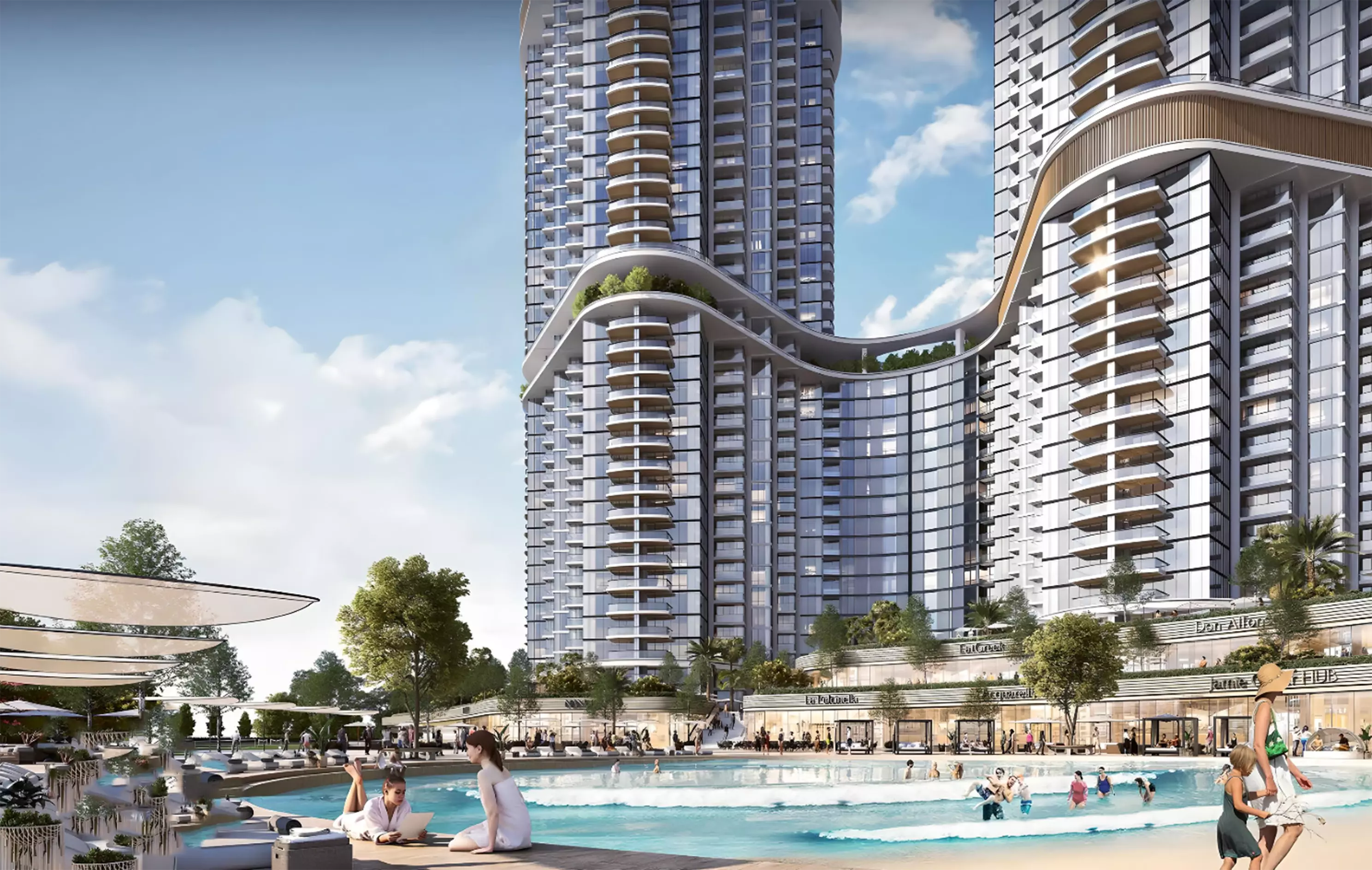
AED 1.7M
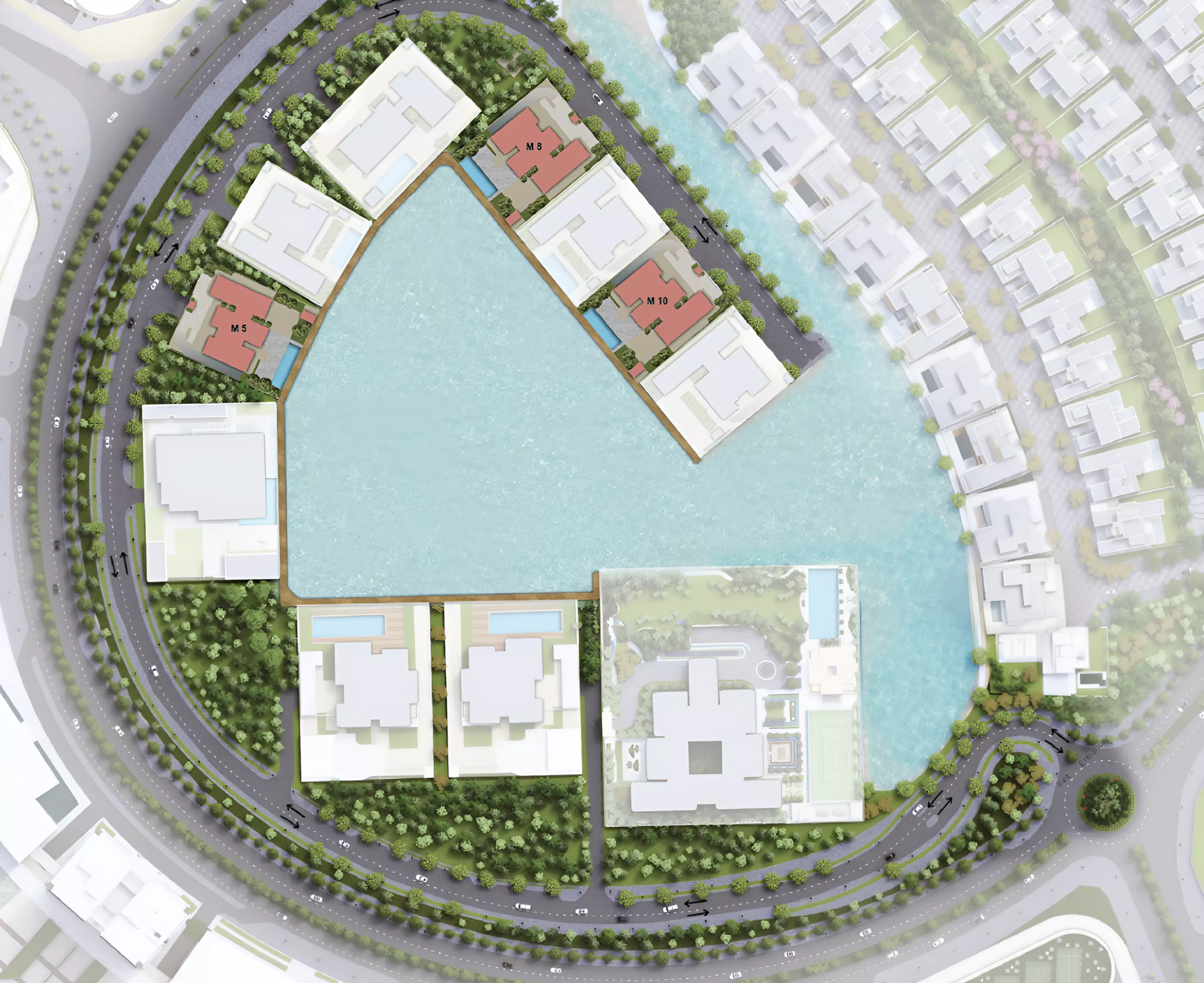
AED 130M

AED 1.5M
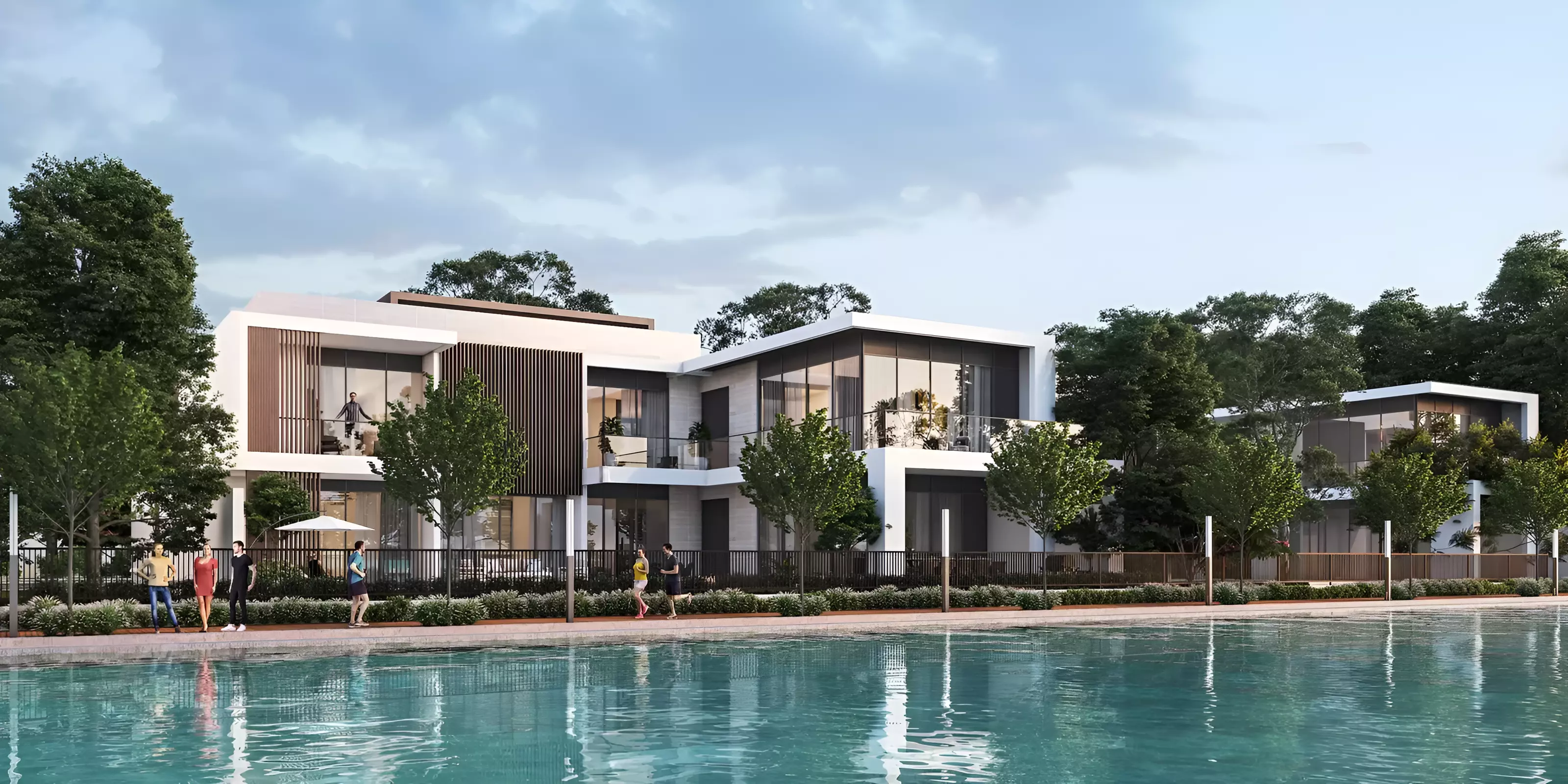
AED 30M
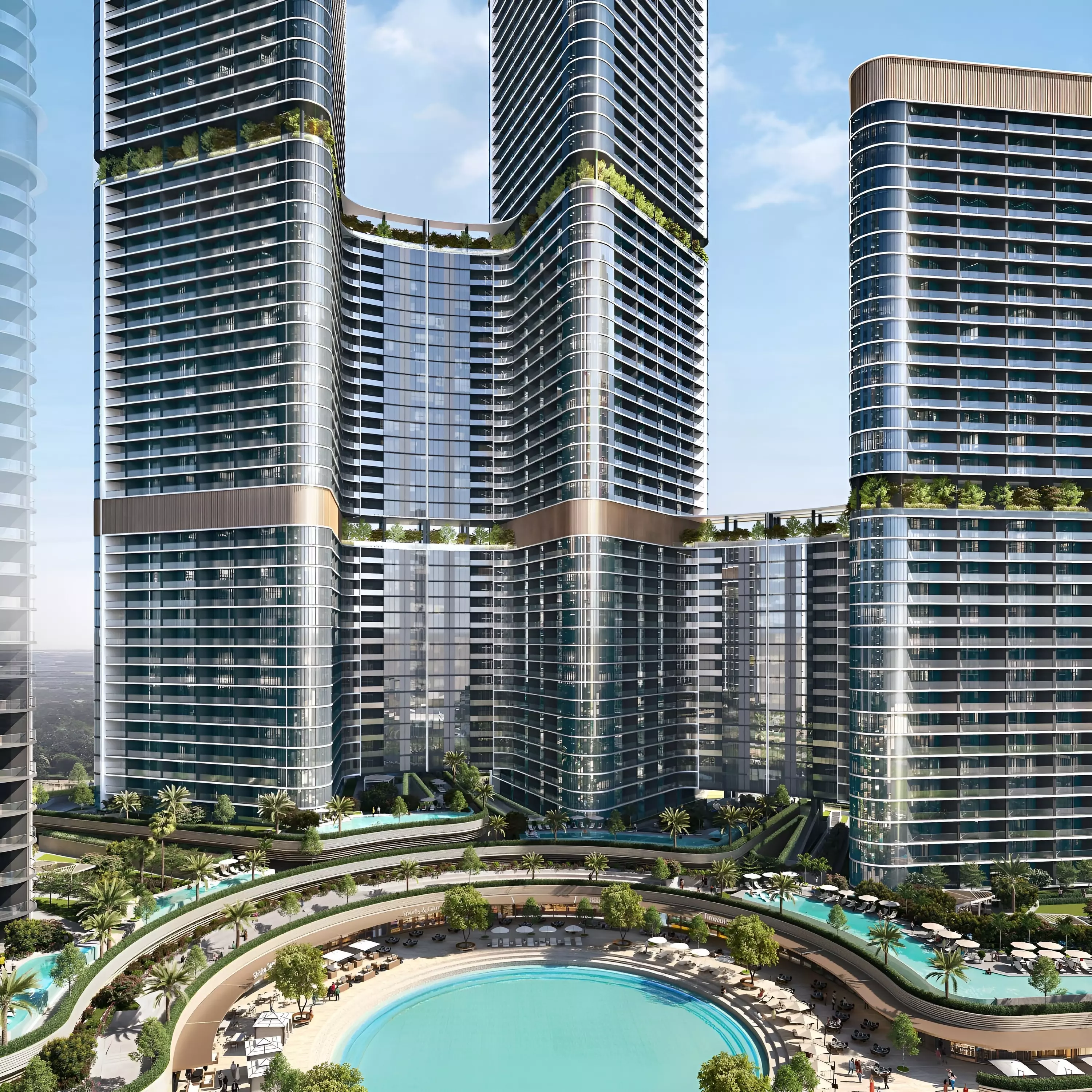
AED 1.3M
AED 1.5M
A Sobha Masterplan Within Bukadra: New Projects in Sobha Hartland II
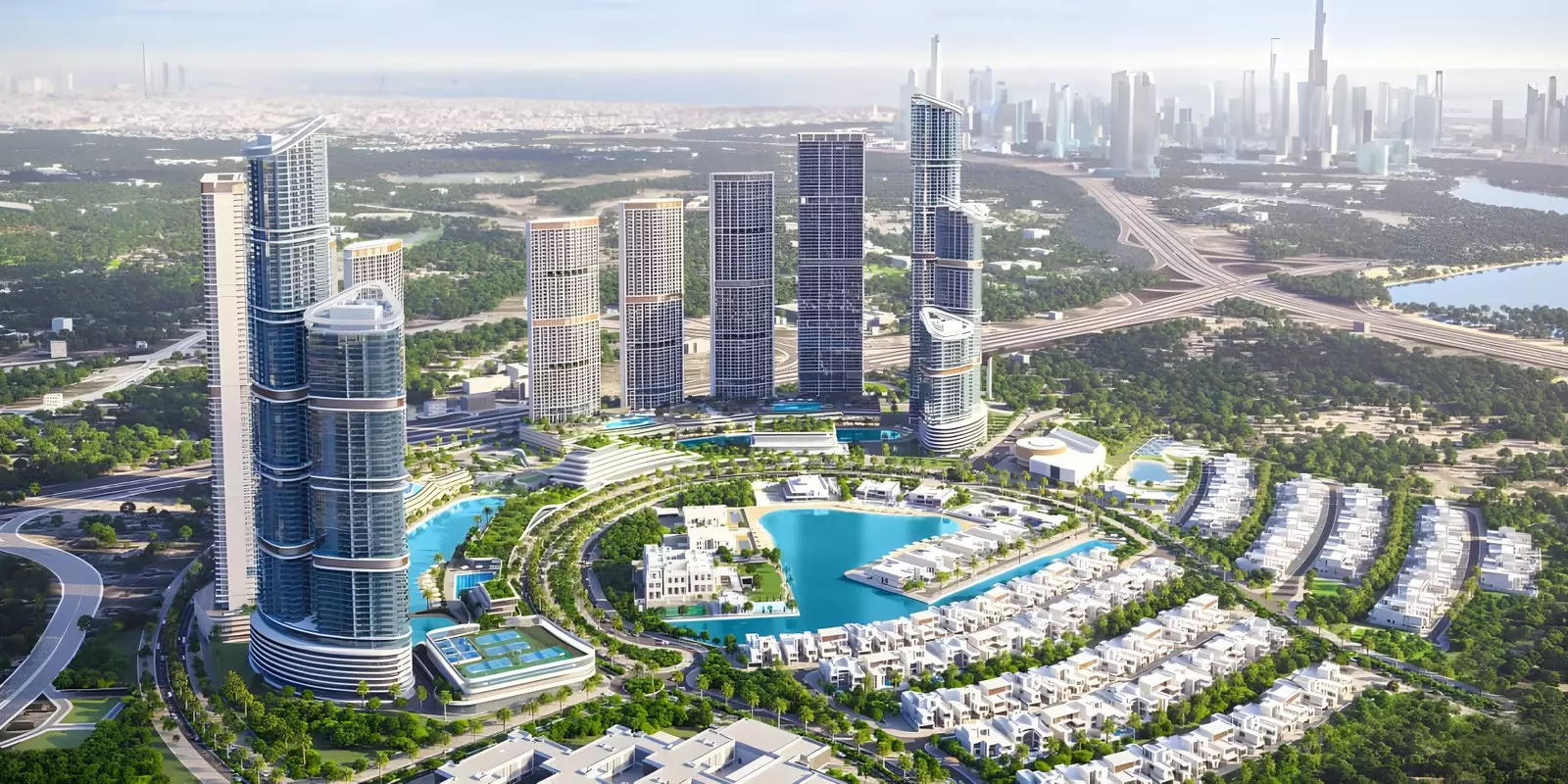
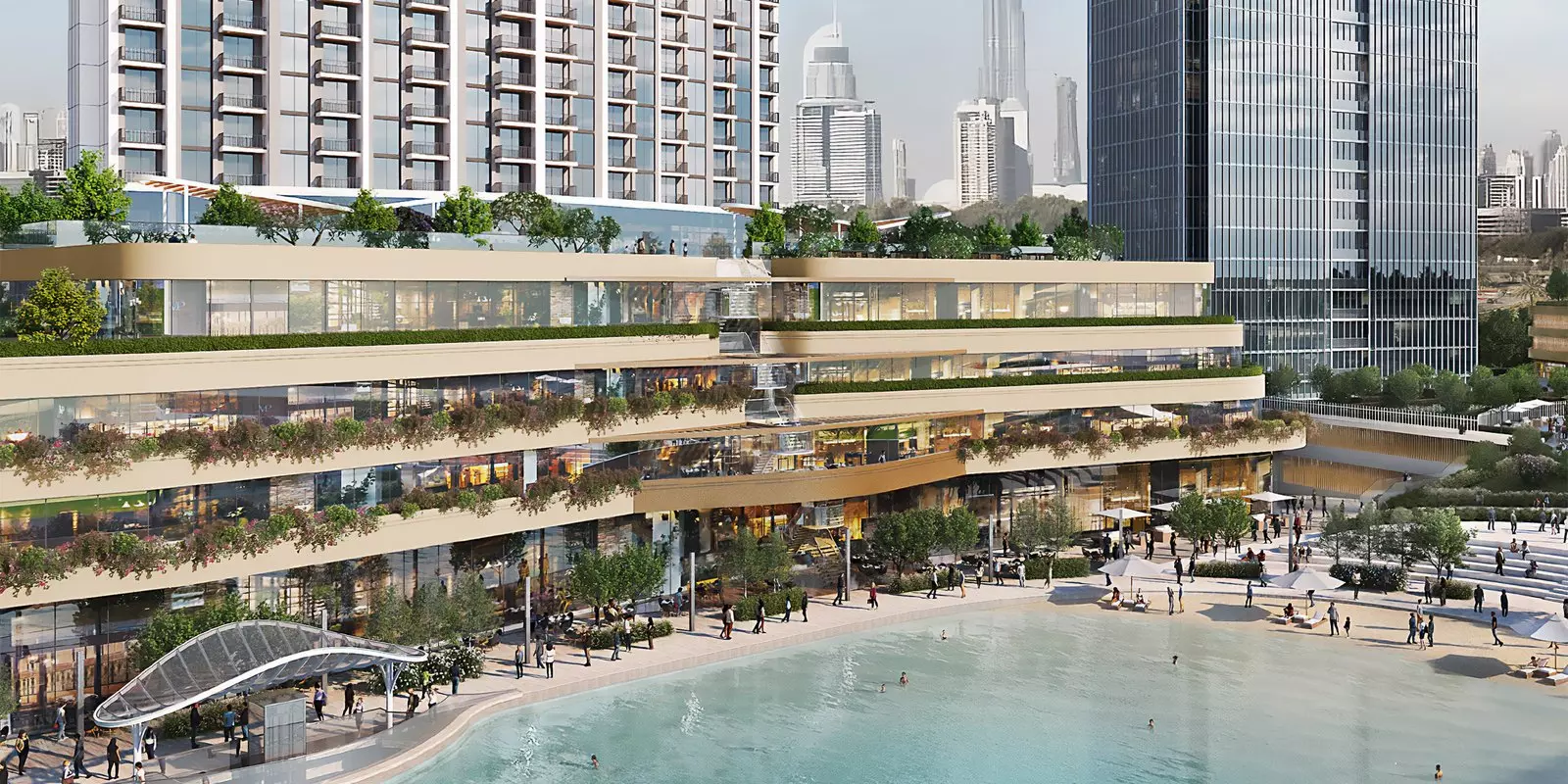
Sobha Hartland II is a master-planned residential subdistrict within Bukadra, positioned in Dubai's northeast growth corridor. With 17 active projects across a single, integrated community, the area has the depth and internal structure of a real market, rather than a scatter of individual launches. The coherence here is deliberate. Sobha Realty has developed this entire zone as a phased masterplan, so the street layout, amenity provision, and architectural language follow a consistent framework across all projects.
For a buyer deciding between this subdistrict and elsewhere in Bukadra, the concentrated offering means genuine variety within the Sobha ecosystem, but limited choice outside of it.
Where AED 1.6M Sits in the Range
The price median across Sobha Hartland II is AED 1,600,000, a practical anchor for most buyers doing initial planning. Entry begins at AED 950,552, and the ceiling reaches AED 129,999,996. That is a range of more than 13,000%, driven by the villa segment sitting alongside a predominantly apartment-based inventory.
Apartments account for 15 of the 17 projects here. Three projects offer villas. For most buyers, this is an apartment community with a small villa allocation at the high end. Buyers seeking a standalone villa within a managed masterplan will find options, but they represent a small fraction of the overall inventory and carry a very different price profile from the apartment median.
Sobha Realty Across the Entire Subdistrict
Sobha Realty is the developer behind every project in this zone. That concentration has real implications. Build quality, material standards, and community maintenance typically follow a uniform approach when one developer controls each phase, which reduces the uncertainty a buyer takes on relative to a multi-developer district. Resale comparables are straightforward: every transaction within Sobha Hartland II is a Sobha product, so price discovery reflects project-level differences rather than developer variation.
The named clusters within the masterplan include 310 Riverside Crescent, 320 Riverside Crescent, 330 Riverside Crescent, 340 Riverside Crescent, 350 Riverside Crescent, 360 Riverside Crescent, 430 Riverside Crescent, Skyvue Solair, Skyvue Spectra, Sobha Estates, Sobha Skyscape Aura, and Green Vistas, among others. Each is a distinct project with its own pricing, handover schedule, and unit availability. Buyers should treat them as separate purchase decisions within the same master community.
Handover Window and Entry Cost
The earliest completions in Sobha Hartland II were scheduled for December 2025. At this point, projects at that end of the timeline are likely already handed over, and buyers should verify current status and whether ready units remain available. The off-plan window extends to March 2030 for projects in later phases, giving buyers entering now a multi-year delivery horizon.
The minimum down payment across projects stands at 10%, which is at the lower end of what Dubai off-plan typically requires. None of the active projects carry post-handover payment plans, so buyers should plan for full payment by each project's completion date. For investors managing cash flow, the absence of post-handover flexibility is worth factoring into project selection.
Amenities Built for Long-Term Residents
The amenity profile across Sobha Hartland II reflects a community oriented toward families and active residents rather than short-stay tenants. The most consistent features across projects include gymnasiums, health clubs, shared and indoor pools, and well-being facilities, alongside children's play areas and landscaped gardens. Restaurants and barbecue areas add communal social infrastructure. CCTV security appears throughout, standard in a gated masterplan of this scale.
The fitness and family-facing emphasis positions this zone for owner-occupiers and long-term renters. Buyers considering short-term rental strategies will find the amenity profile less suited to that approach than communities built around hospitality or hotel-adjacent facilities.