
Projects in Jumeirah Garden City
View on map
AED 1.1M
AED 1.1M
AED 1.7M
AED 992K
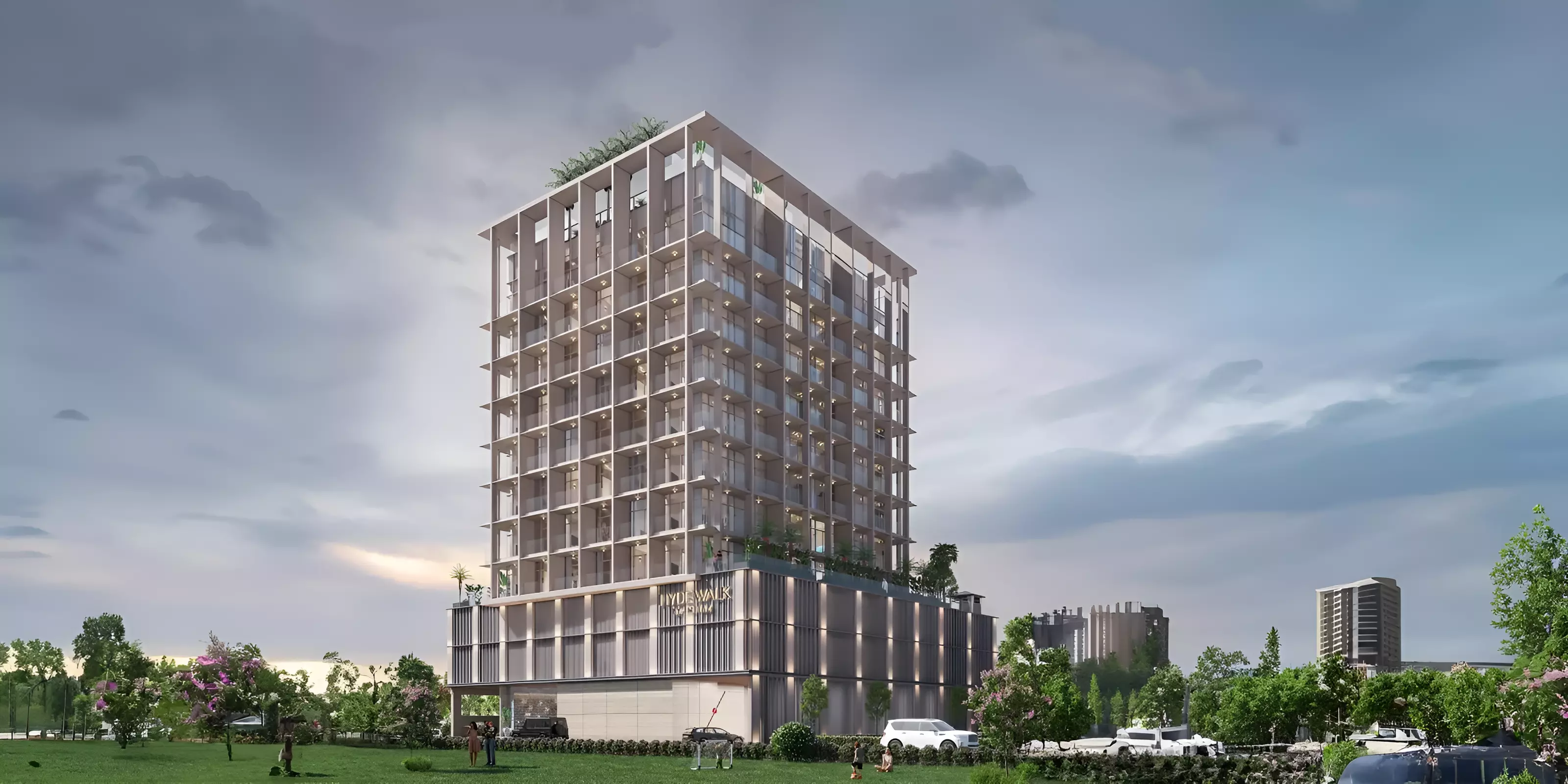
AED 926K
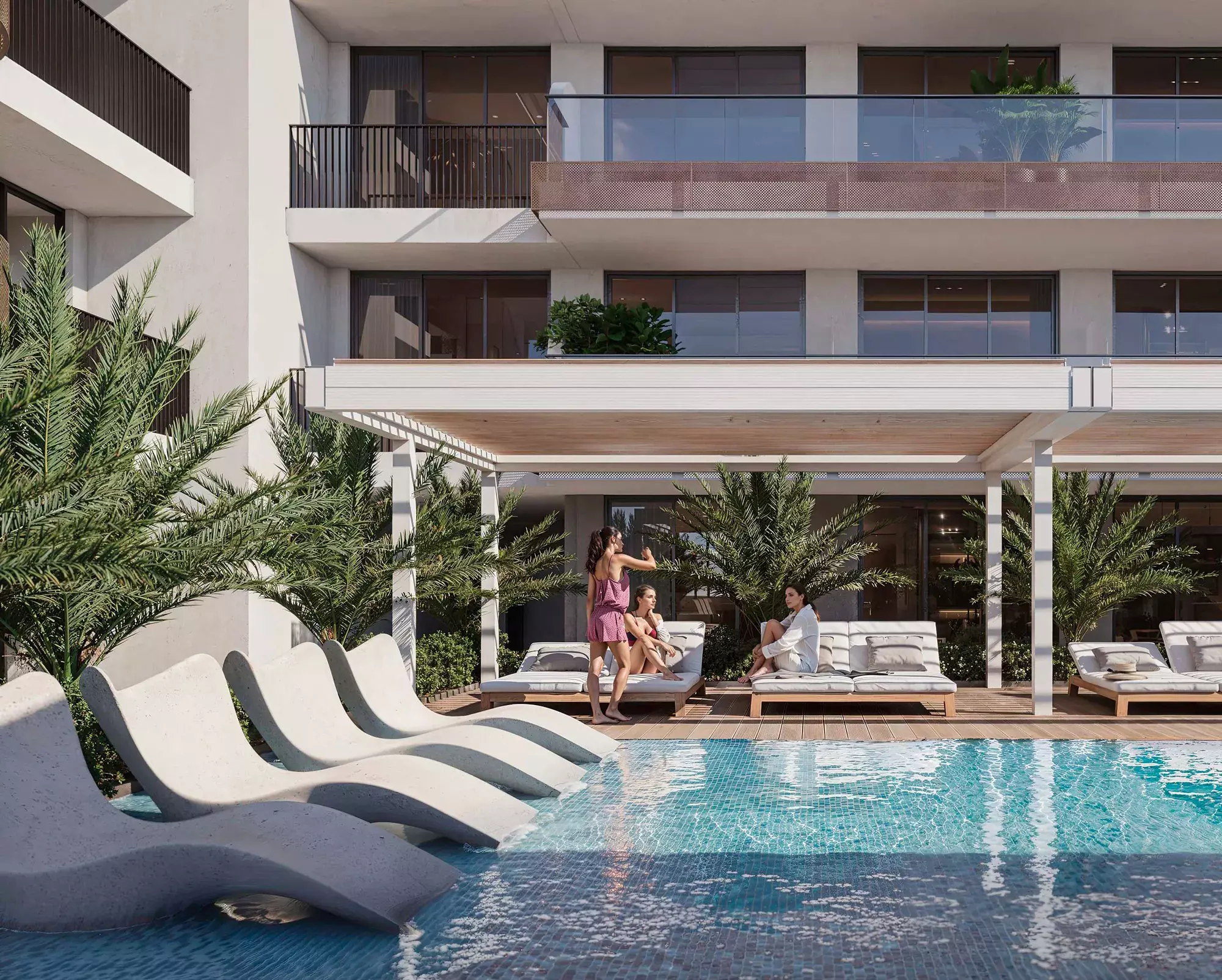
AED 1M
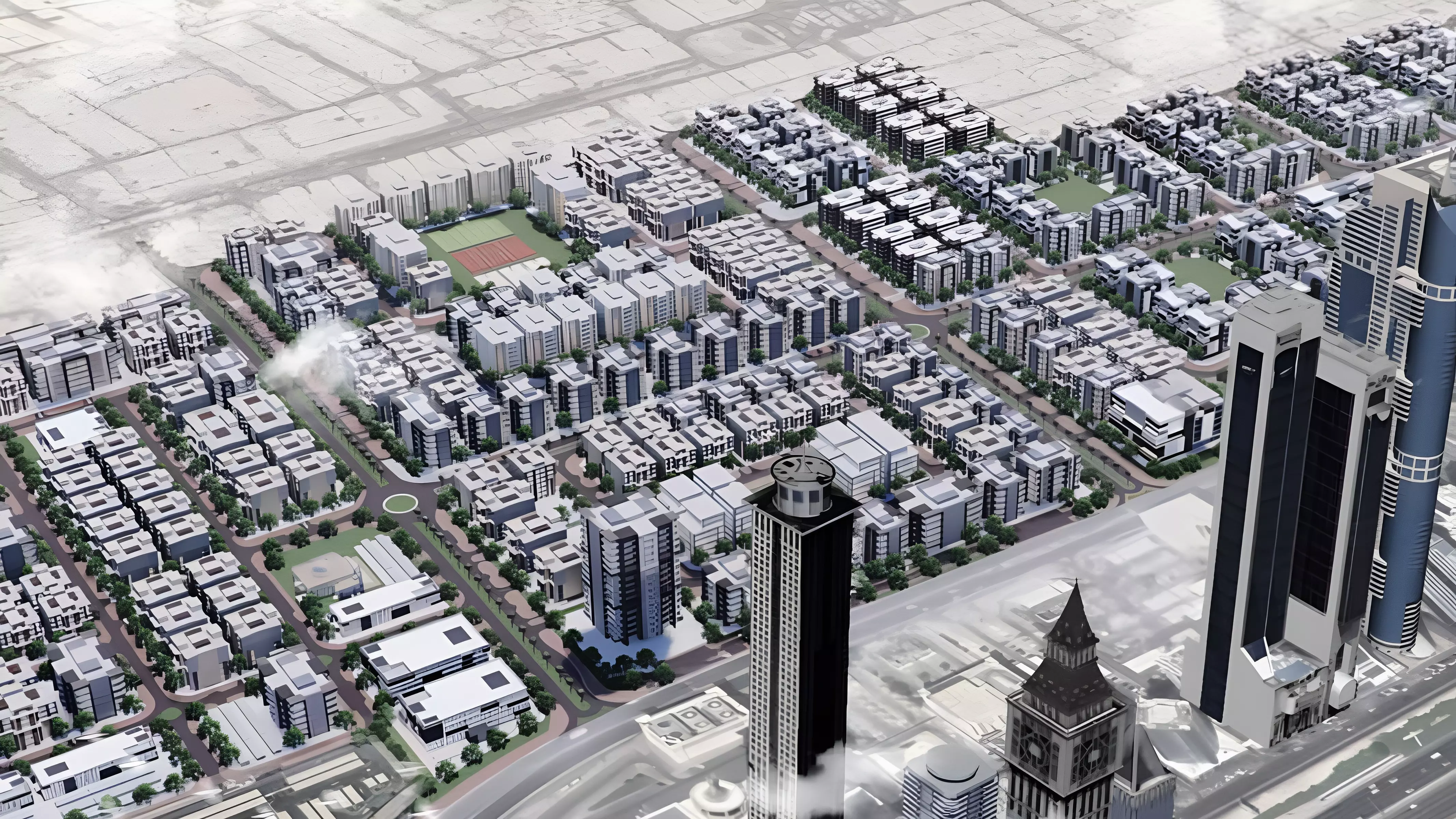
On request
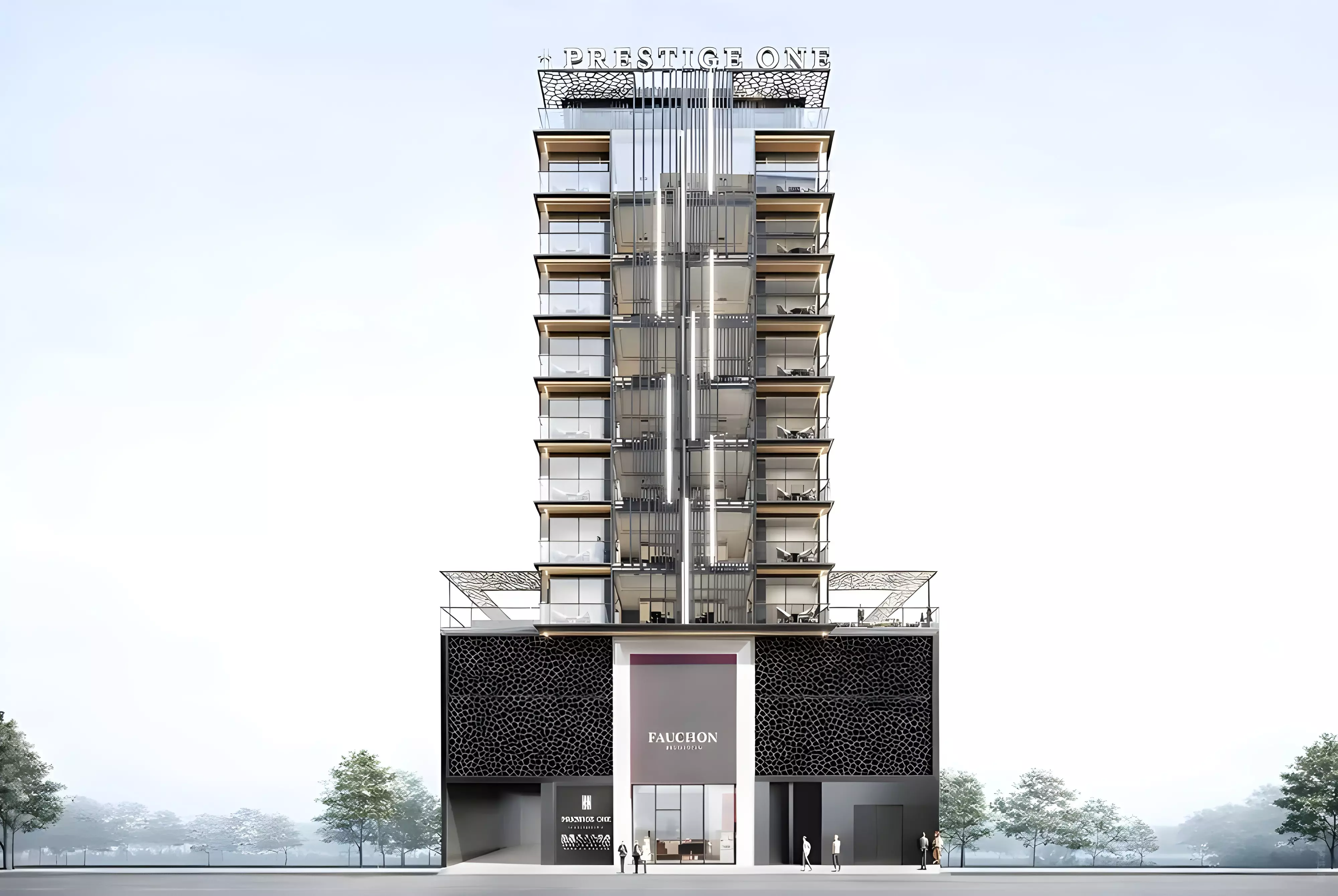
AED 1.4M
AED 991K
Information only · We can’t help you buy in this project
AED 950K
Information only · We can’t help you buy in this project
Nearby Projects
Other Developers
- New Projects by Object 1
- New Projects by Rabdan Developments
- New Projects by Stamn Real Estate Development
- New Projects by Prestige One Developments
- New Projects by Palladium Development
- New Projects by Imtiaz Developments
- New Projects by Holm Avenue
- New Projects by Elemental Developments
- New Projects by Enso Development
- New Projects by JAD Global
- New Projects by Arsenal East
- New Projects by Galaxy Realty
- New Projects by Al Yakka Developer
- New Projects by Roz Real Estate Development
- New Projects by Segrex Development
Explore by Developer in Jumeirah Garden City
- Object 1 Projects in Jumeirah Garden City
- Rabdan Developments Projects in Jumeirah Garden City
- Stamn Real Estate Development Projects in Jumeirah Garden City
- Prestige One Developments Projects in Jumeirah Garden City
- Holm Avenue Projects in Jumeirah Garden City
- Elemental Developments Projects in Jumeirah Garden City
- Enso Development Projects in Jumeirah Garden City
- JAD Global Projects in Jumeirah Garden City
A Mid-Market Cluster Taking Shape Inside Al Satwa: New Projects in Jumeirah Garden City
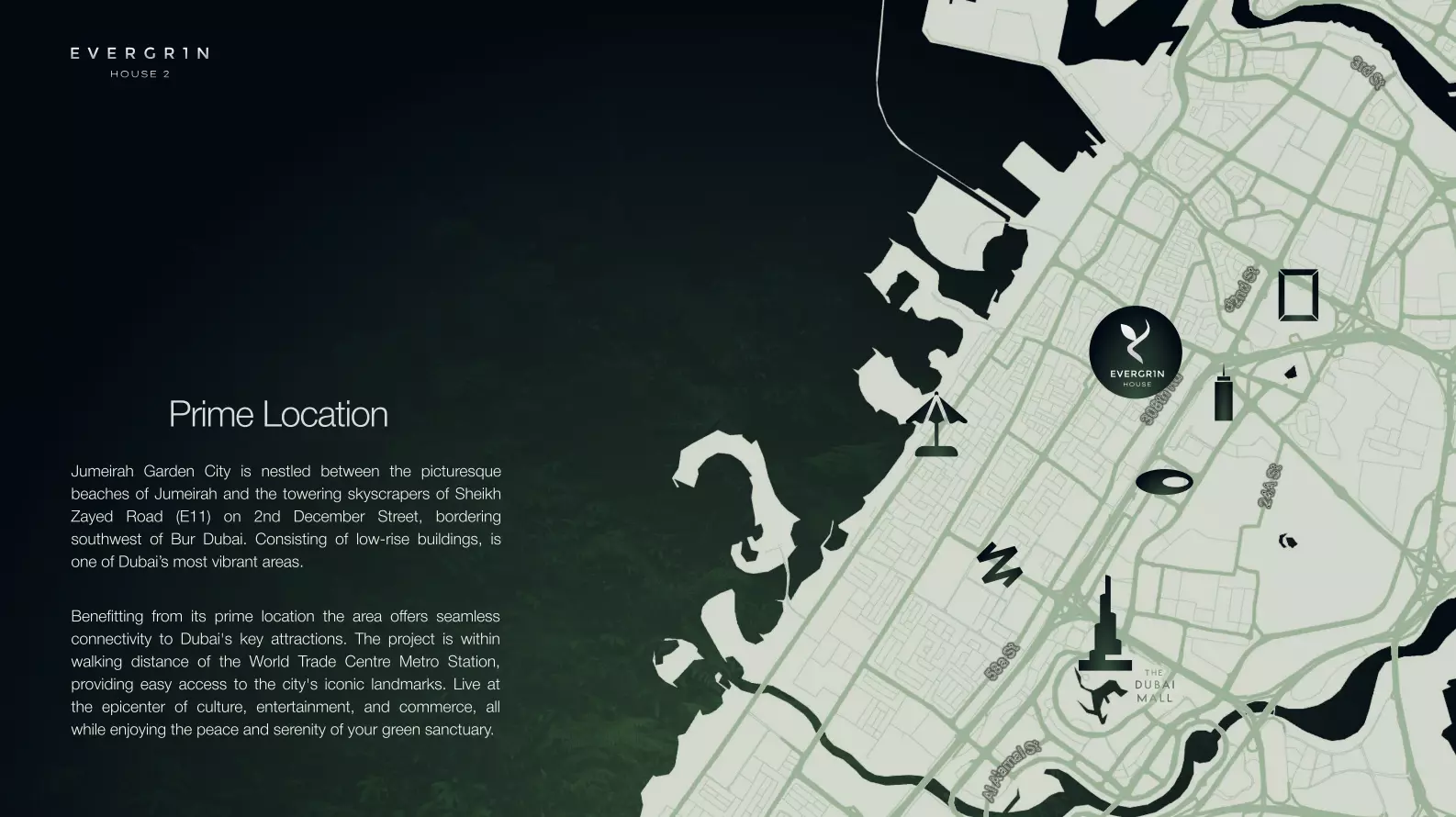
Jumeirah Garden City sits within Al Satwa, one of Dubai's older mixed-use districts that has absorbed significant new residential supply over the past several years. The subdistrict has become a dense off-plan corridor, with 38 projects currently listed. This is not a master-planned community built around a single identity — it is a submarket where dozens of independent developers compete for buyers who want central Dubai access without paying Downtown or DIFC prices. That positioning shapes everything: the prices, the product, and the developer spread.
Where AED 1M Anchors the Market
The median price across Jumeirah Garden City is AED 1,016,815, and that number is more useful than either extreme. The lower end starts at AED 715,000 and the upper end reaches AED 6,500,000 — a spread that reflects the range of product on offer rather than consistent market depth across all price bands. With only one duplex listing among 36 apartment projects, the upper price range is concentrated in very few units. Most buyers here are working around the AED 1M mark, and the range below that entry point is genuinely competitive.
At a 5% minimum down payment, this submarket has a low cash entry threshold for off-plan buyers. There are no post-handover payment plans among the current listings, so buyers should expect standard construction-phase payment schedules and plan their capital accordingly.
Mostly Apartments, One Duplex
Of the 38 projects, 36 are apartment buildings and 1 is a duplex development. The apartment-dominant mix points to two main buyer profiles: investors targeting rental yield from units priced below the AED 1M threshold, and end-users who want city connectivity in a compact format. The single duplex project is the clear outlier — a buyer targeting that product is making a specific choice in a market that otherwise runs entirely on apartments.
27 Developers Across 38 Projects
27 different developers across 38 projects is about as fragmented as a submarket gets, averaging roughly 1.4 projects per developer. Object 1, Holm Avenue, Elemental Developments, and Enso Development are among the names with multiple projects in the area, but no single developer controls the subdistrict's supply in a way that creates a recognisable market anchor. For buyers thinking about resale, this fragmentation matters. Quality and brand recognition will vary considerably from building to building. Due diligence on individual developers carries more weight here than it would in a consolidated zone where one or two names set the standard.
Handovers Running from 2025 Through 2028
The earliest completion date in the subdistrict is May 2025 — already past at time of writing, meaning some projects may be complete or already in the handover process. Buyers interested in those units should confirm current status directly with developers or agents before assuming off-plan terms still apply. The off-plan window extends to December 2028, giving buyers entering now a genuine range of timelines to work with. Projects completing in 2026 and 2027 sit in the middle of that window for buyers who want some capital appreciation during the construction phase without committing to a three-year wait.
What the Amenities Say About the Area
The amenity pattern across Jumeirah Garden City reads as family-leaning and practically oriented. Children's Play Areas, Landscaped Gardens, and Indoor Swimming Pools recur across listings and point to a resident base that skews toward longer-term occupiers rather than short-stay tenants. CCTV Security and Security features appear consistently, which is standard for mid-market residential in this part of Dubai and not a differentiator. The presence of a Golf Club and Clubhouse across some listings adds an aspirational note, though in a submarket where the median sits just above AED 1M, that likely reflects developer positioning as much as project-level delivery. Gymnasiums, Barbecue Areas, Restaurants, and Retail Facilities complete a package built for everyday convenience — walkable amenities rather than resort-level extras, suited to residents who treat the neighbourhood as a base for work and city life.