
Projects in Dubai Land Residence Complex
View on map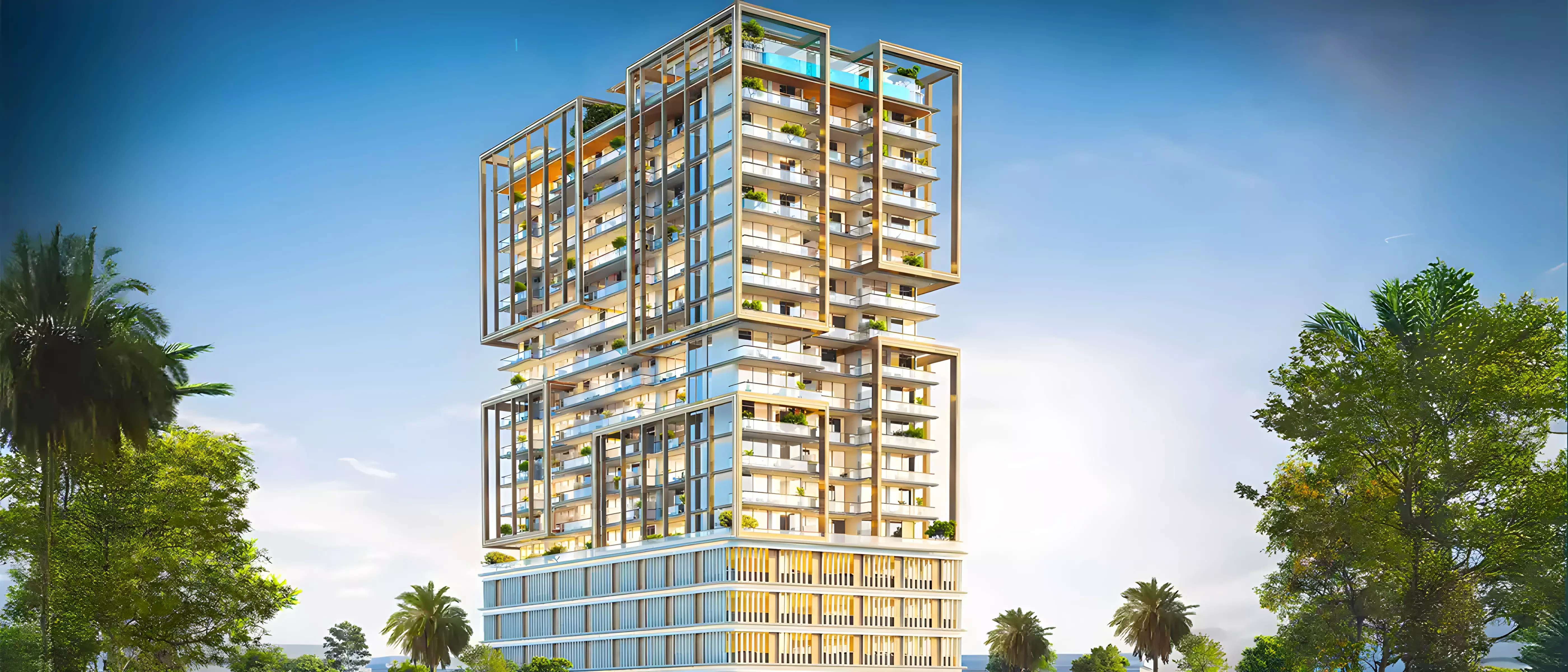
AED 540K

AED 786K
AED 687K
AED 628K
AED 363K
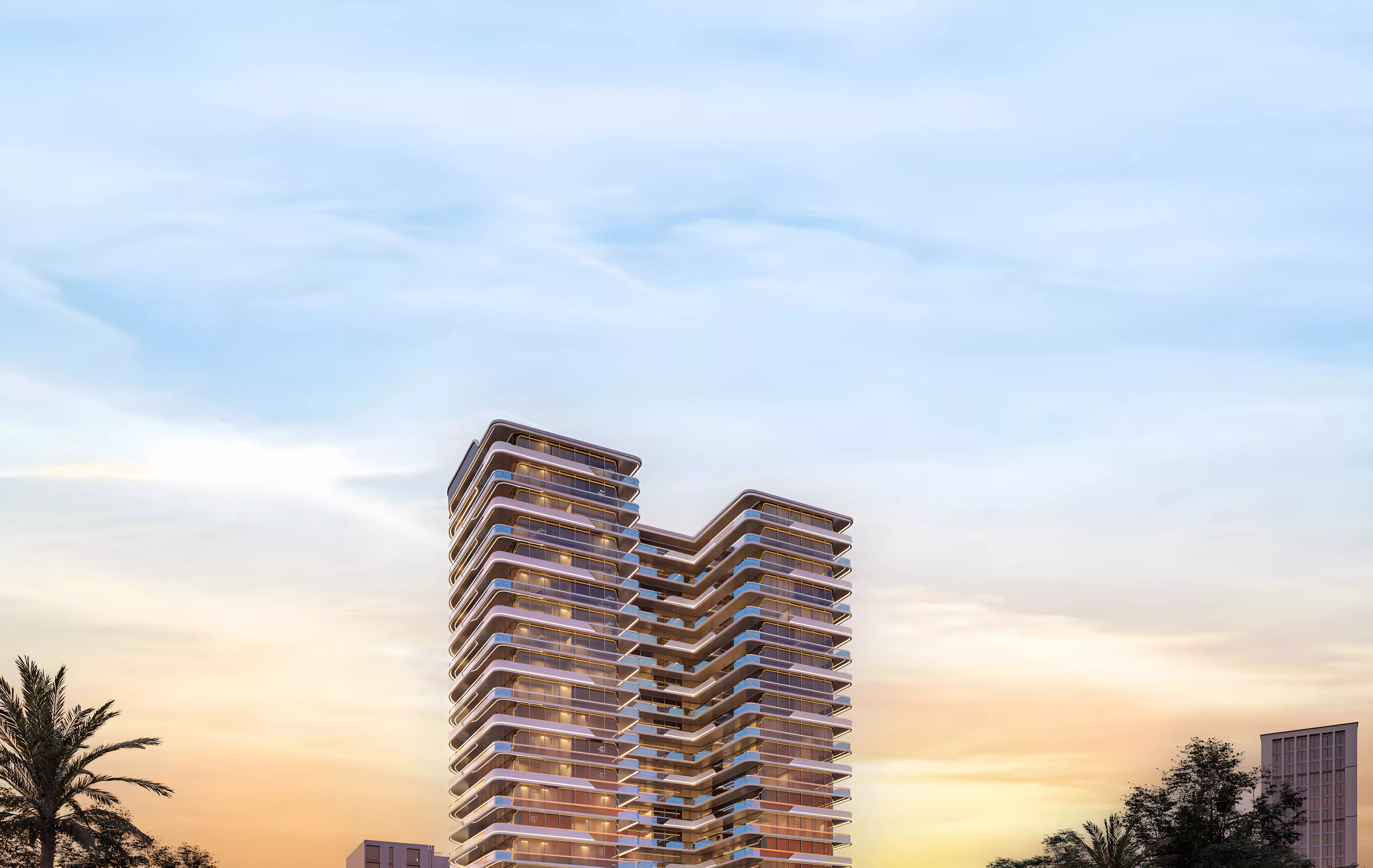
AED 927K
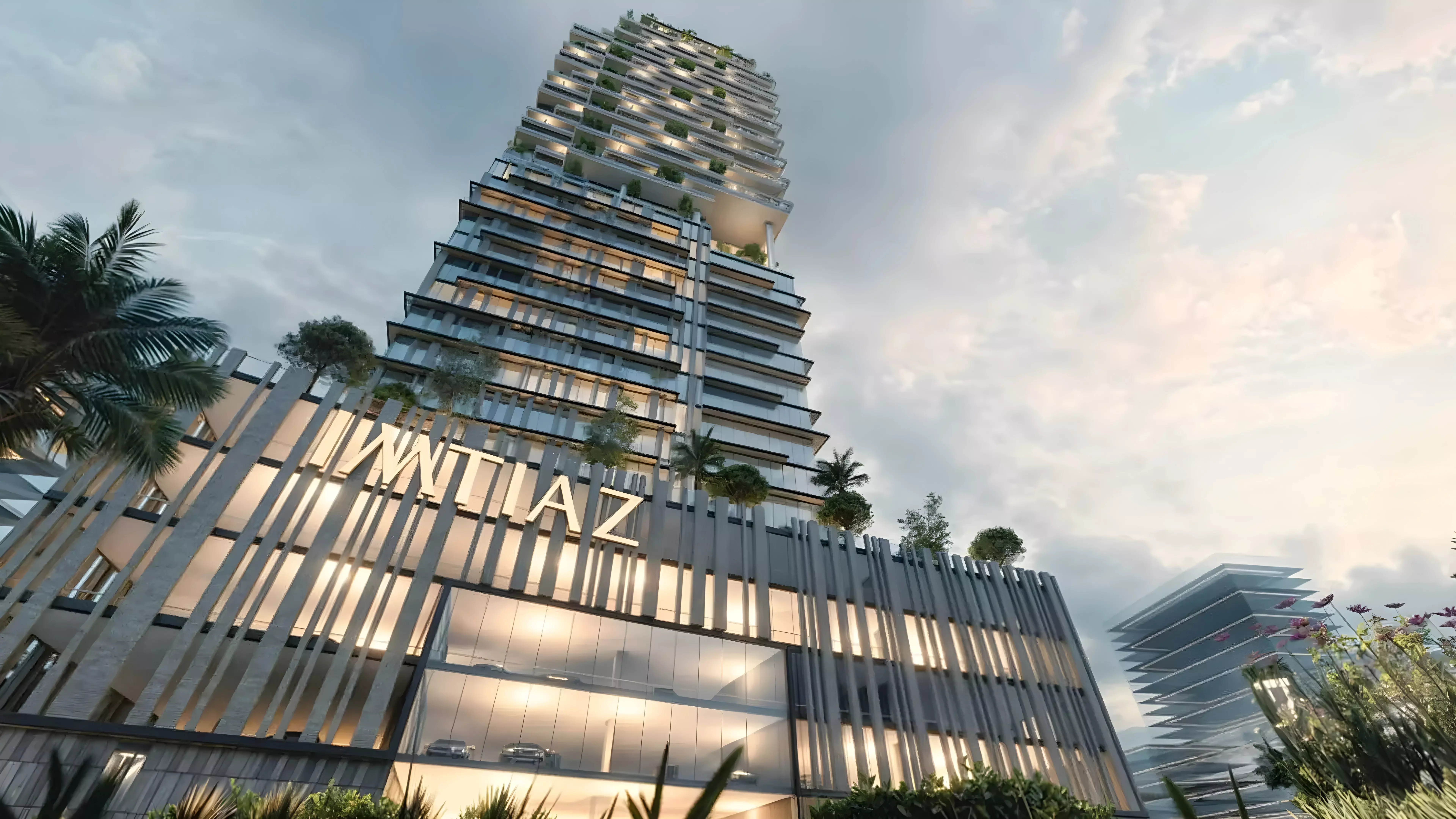
AED 1.9M

AED 456K
AED 735K
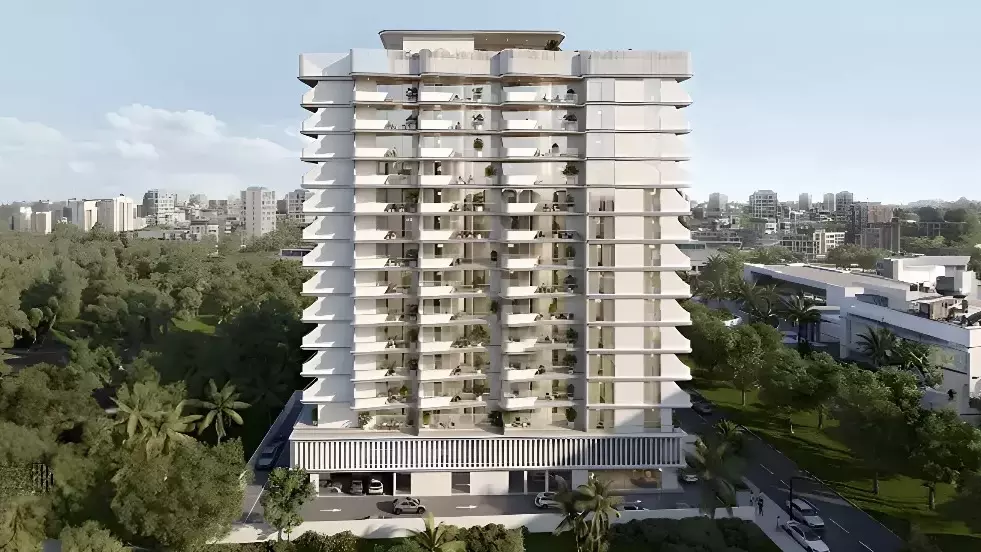
AED 600K
Other Developers
- New Projects by Imtiaz Developments
- New Projects by Tarrad Development
- New Projects by WADAN Developments
- New Projects by AG Properties
- New Projects by Samana Developers
- New Projects by Tiger Properties
- New Projects by Arabian Gulf Properties
- New Projects by Time Properties
- New Projects by Zoya Developments
- New Projects by Majid Developments
- New Projects by Marquis Point
- New Projects by LEOS International
- New Projects by Grovy Real Estate Developers
- New Projects by Karma Development
- New Projects by Peace Homes Group
Explore by Developer in Dubai Land Residence Complex
- Imtiaz Developments Projects in Dubai Land Residence Complex
- Tarrad Development Projects in Dubai Land Residence Complex
- WADAN Developments Projects in Dubai Land Residence Complex
- AG Properties Projects in Dubai Land Residence Complex
- Samana Developers Projects in Dubai Land Residence Complex
- Tiger Properties Projects in Dubai Land Residence Complex
- Arabian Gulf Properties Projects in Dubai Land Residence Complex
- Time Properties Projects in Dubai Land Residence Complex
- Zoya Developments Projects in Dubai Land Residence Complex
Where AED 650,000 Anchors a Wide Off-Plan Market: New Projects in Dubai Land Residence Complex
Dubai Land Residence Complex (DLRC) is a subdistrict within Dubai Land, one of Dubai's largest planned development zones. Off-plan development here has reached a level that puts it among the more active pockets of its parent district. The current inventory stands at 47 projects across 33 different developers, a combination that immediately signals what kind of submarket this is.
No single major developer dominates the listing. Each project largely belongs to a separate builder, which means DLRC functions more like a collection of independent developments than a unified community. That fragmentation shapes how buyers should approach the area.
Where AED 650,000 Sits in This Market
The median asking price across listed projects is AED 650,000. Half the inventory sits below this number, half above. The floor reaches AED 363,000, while the ceiling hits AED 2,386,839, a spread of more than 550% from the cheapest to the most expensive listing.
That gap is wide even by Dubai off-plan standards. It reflects the sheer range of developers and project scales here rather than a coherent market with a clear premium segment. Buyers at the lower end are looking at compact apartments from newer or smaller builders. Those nearer the top of the range are typically in larger or higher-specification projects from developers with longer track records in this subdistrict.
Forty-Three Apartments and One Duplex
43 of the 47 projects offer apartments, and one offers duplexes. The near-complete dominance of the apartment format signals that DLRC attracts investors and owner-occupiers seeking manageable entry prices, not buyers looking for villas or townhouses. That format also reinforces the price picture: apartments at scale are what drives the AED 650,000 median toward the accessible end of the Dubai off-plan market. Buyers specifically seeking duplexes will find limited options and should verify availability directly.
Thirty-Three Builders, Forty-Seven Projects
With 33 developers across 47 projects, the ratio runs close to one builder per listing. Names like Imtiaz Developments, Samana Developers, WADAN Developments, AG Properties, Time Properties, and Tiger Properties appear alongside a long tail of smaller and less-established players.
In a fragmented market like this, resale liquidity tends to be project-specific rather than location-wide. A well-known developer's building will attract a different secondary buyer pool than a lesser-known one two blocks away. Build quality and handover timelines can also vary considerably across projects that sit physically close to each other. For buyers focused on resale or rental yield, the individual developer's track record matters more here than it would in a zone built around one master developer.
Handover: Some Already Delivered, Far End at September 2029
The earliest listed completion date is March 2023. Some projects here may have already completed handover. Buyers should confirm current delivery status on any project with a 2023 or 2024 completion date rather than assuming it remains under construction. The far end of the off-plan window extends to September 2029, so buyers entering the market now can choose from near-term deliveries as well as projects still in early construction phases.
10% Down, with a Third of Projects Offering Post-Handover Plans
The minimum down payment across listed projects starts at 10%, a low entry point by Dubai off-plan standards. 16 of the 47 projects, roughly 34% of the inventory, include post-handover payment plans. These allow buyers to continue paying a portion of the purchase price after taking possession, spreading the payment obligation into the ownership phase and reducing the capital required during construction. For investors managing multiple properties or buyers with limited near-term capital, that structure makes a real difference to short-term outgoings.
Children's Amenities and Managed Security Across the Subdistrict
Children's play areas, children's pools, and landscaped gardens dominate the amenity lists across DLRC developments, alongside consistent CCTV coverage and on-site security. The pattern points toward long-term residents and buy-to-let investors targeting families, not short-stay visitors or buyers seeking hotel-style amenities.