
Projects in Dubai Land Residence Complex
View on map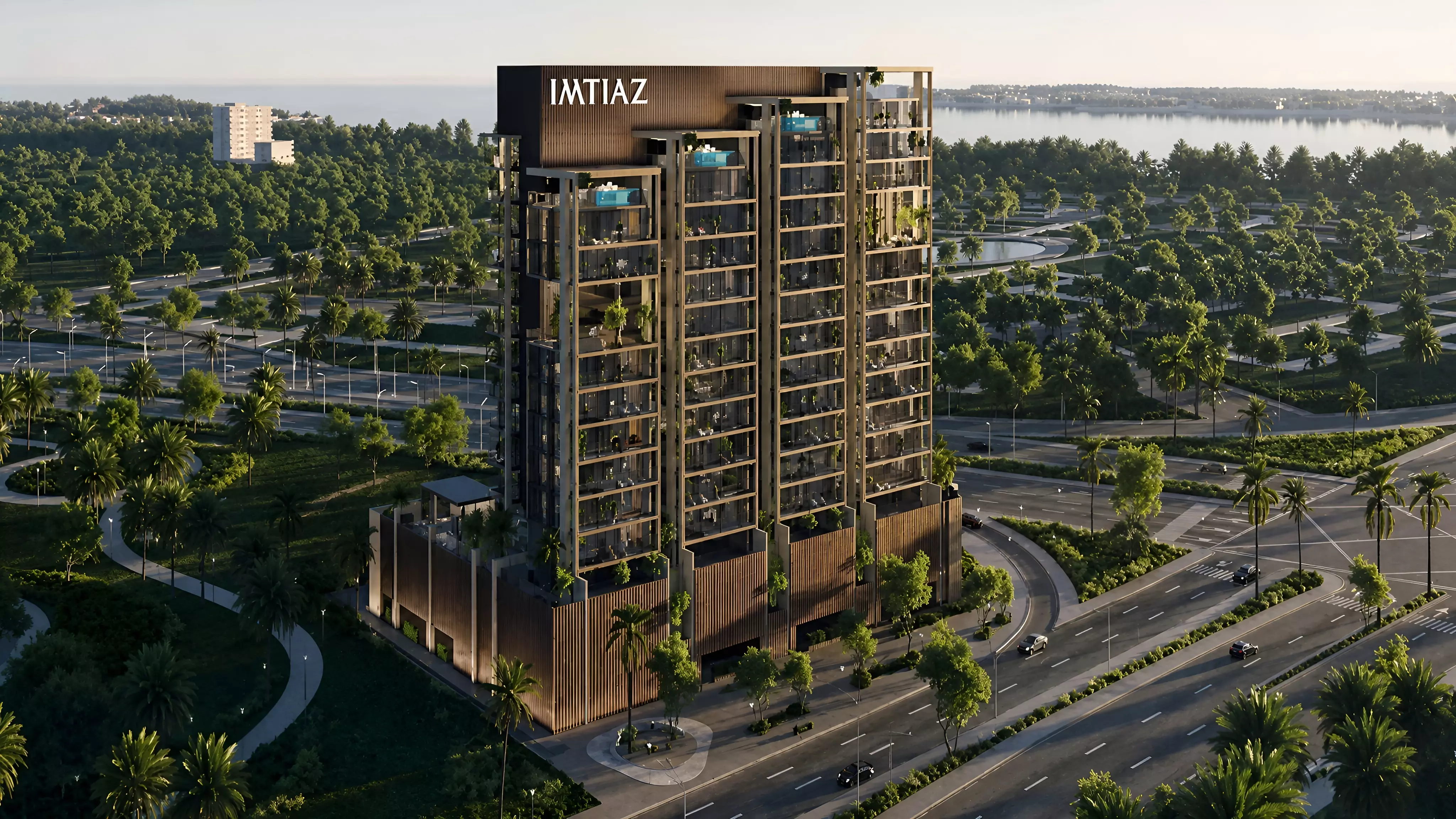
On request
AED 710K
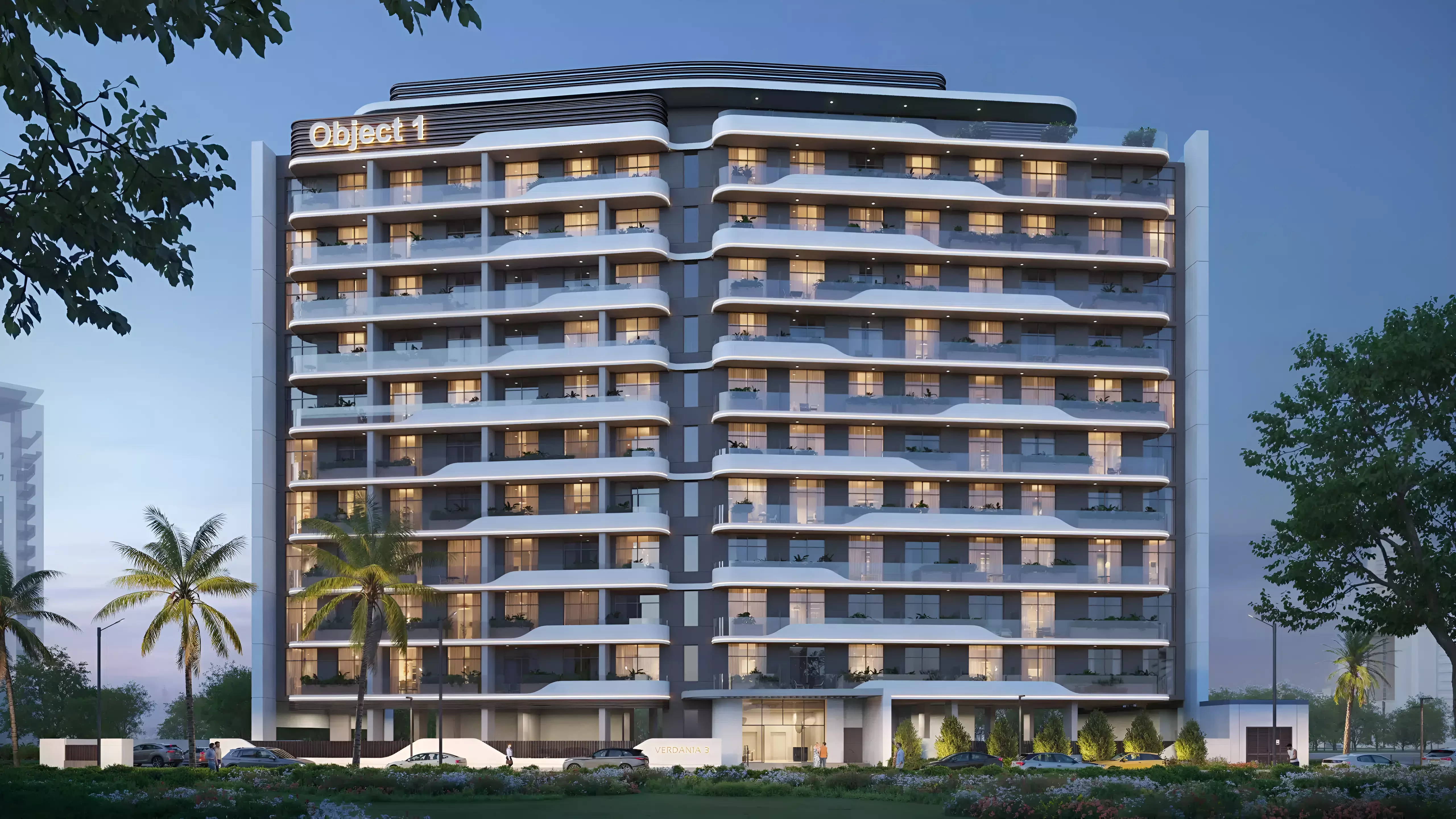
AED 625K
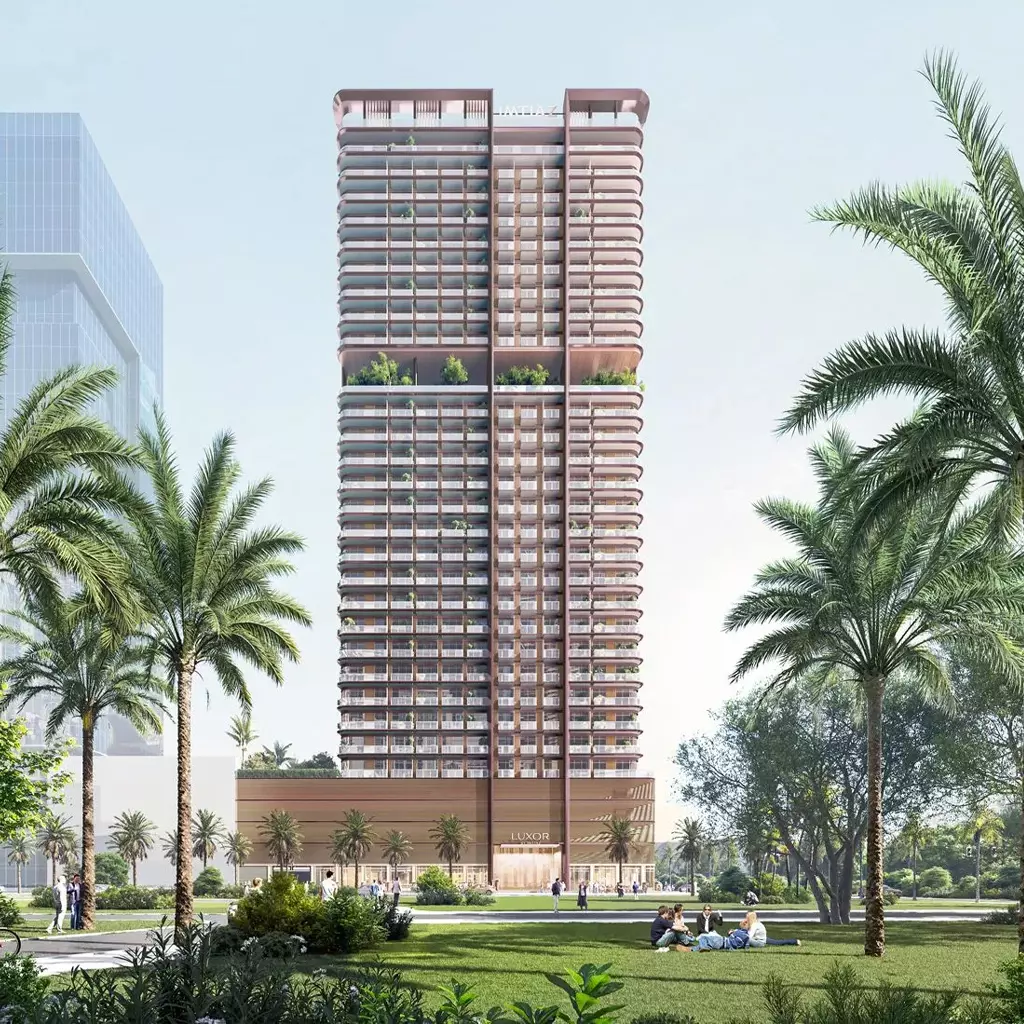
AED 862K
AED 930K
AED 799K
AED 691K
AED 582K

AED 765K
AED 659K
Nearby Projects
- New Projects in Al Rowaiyah 1
- New Projects in Haven By Aldar
- New Projects in Wadi Al Safa 5
- New Projects in Liwan
- New Projects in Dubai Land
- New Projects in Dubai Silicon Oasis
- New Projects in Villanova
- New Projects in Falcon City of Wonders
- New Projects in City of Arabia
- New Projects in Arabian Ranches 3
- New Projects in Majan
- New Projects in Al Warsan
- New Projects in Umm Al Daman
- New Projects in Living Legends
- New Projects in Al Barari
Other Developers
- New Projects by Imtiaz Developments
- New Projects by Samana Developers
- New Projects by Object 1
- New Projects by LEOS International
- New Projects by AG Properties
- New Projects by Arabian Gulf Properties
- New Projects by Peace Homes Group
- New Projects by Reef Luxury Development
- New Projects by Empire Developments
- New Projects by Majid Developments
- New Projects by Dugasta
- New Projects by Mashriq Elite Developments
- New Projects by Prestige One Developments
- New Projects by Zoya Developments
- New Projects by Fakhruddin Properties
Explore by Developer in Dubai Land Residence Complex
- Imtiaz Developments Projects in Dubai Land Residence Complex
- Samana Developers Projects in Dubai Land Residence Complex
- Object 1 Projects in Dubai Land Residence Complex
- LEOS International Projects in Dubai Land Residence Complex
- AG Properties Projects in Dubai Land Residence Complex
- Arabian Gulf Properties Projects in Dubai Land Residence Complex
- Peace Homes Group Projects in Dubai Land Residence Complex
- Reef Luxury Development Projects in Dubai Land Residence Complex
Dubai Land Residence Complex: Off-Plan Depth in a Mid-Market Apartment Zone
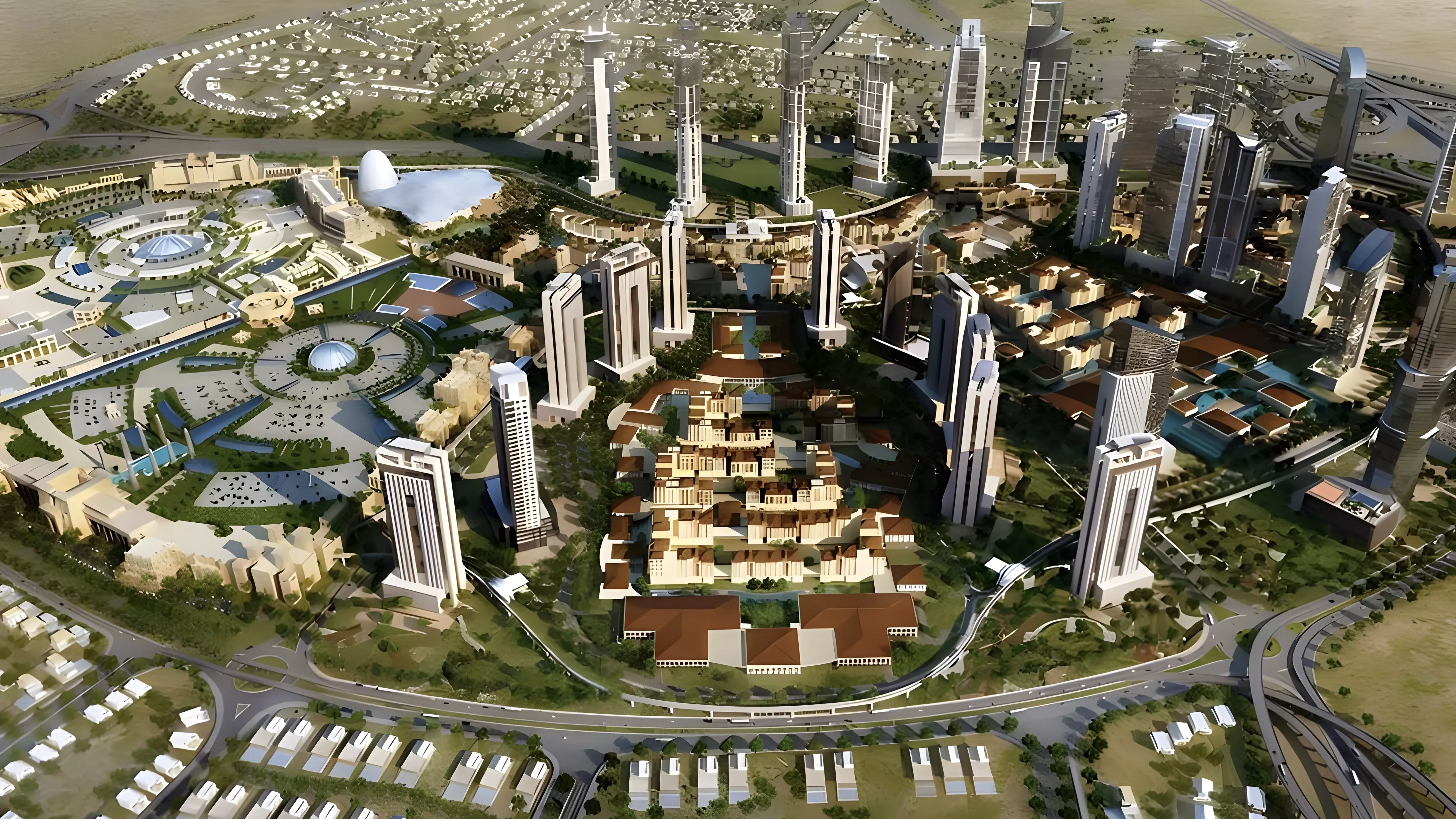
Dubai Land Residence Complex sits within the broader Dubai Land area, a development zone in Dubai. The subdistrict has accumulated a substantial off-plan pipeline, with 43 active projects from 22 developers building across sequential phases. The character here is of a zone mid-construction: regular new launches alongside projects approaching handover, a clear orientation toward apartment ownership, and entry terms structured around investor accessibility.
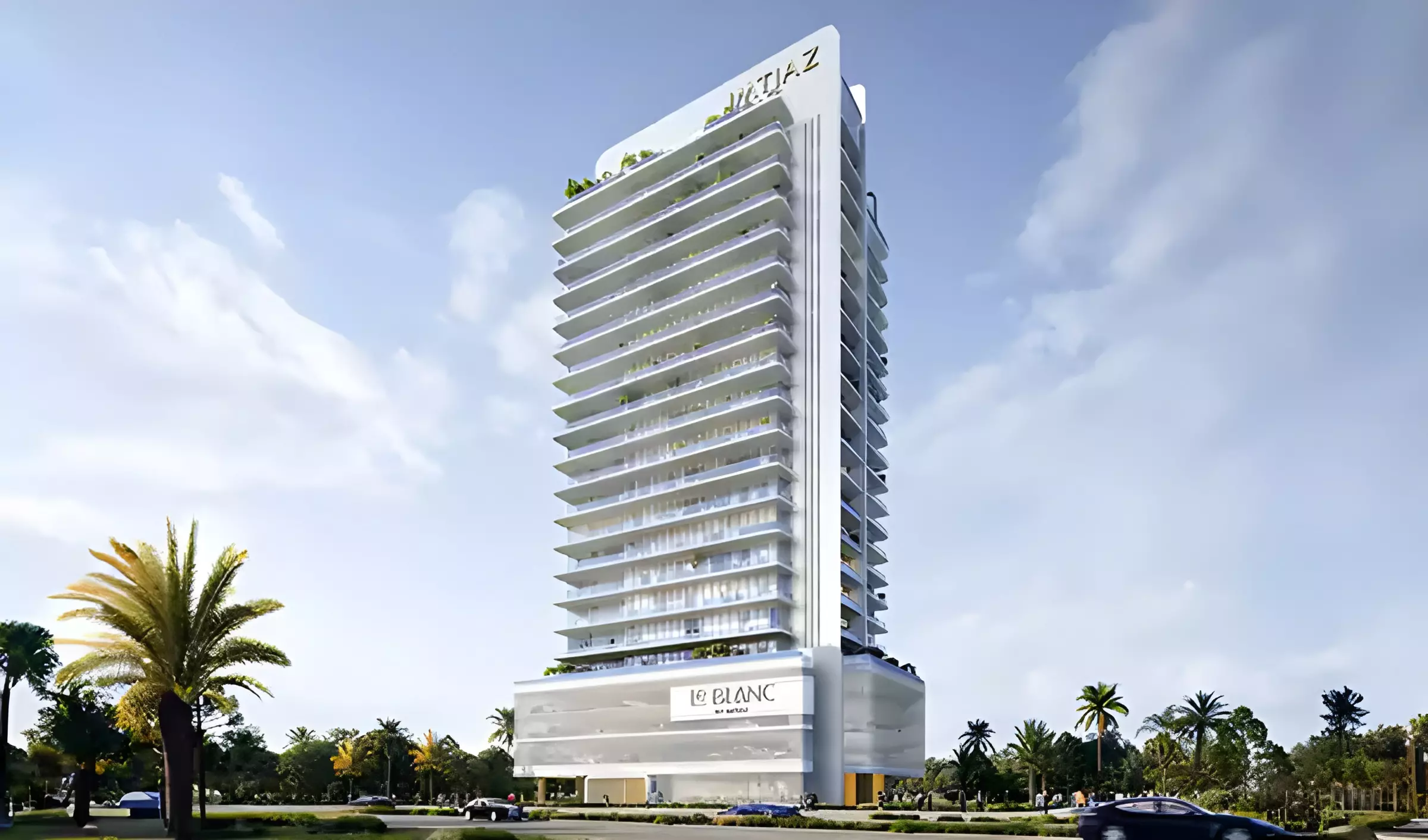
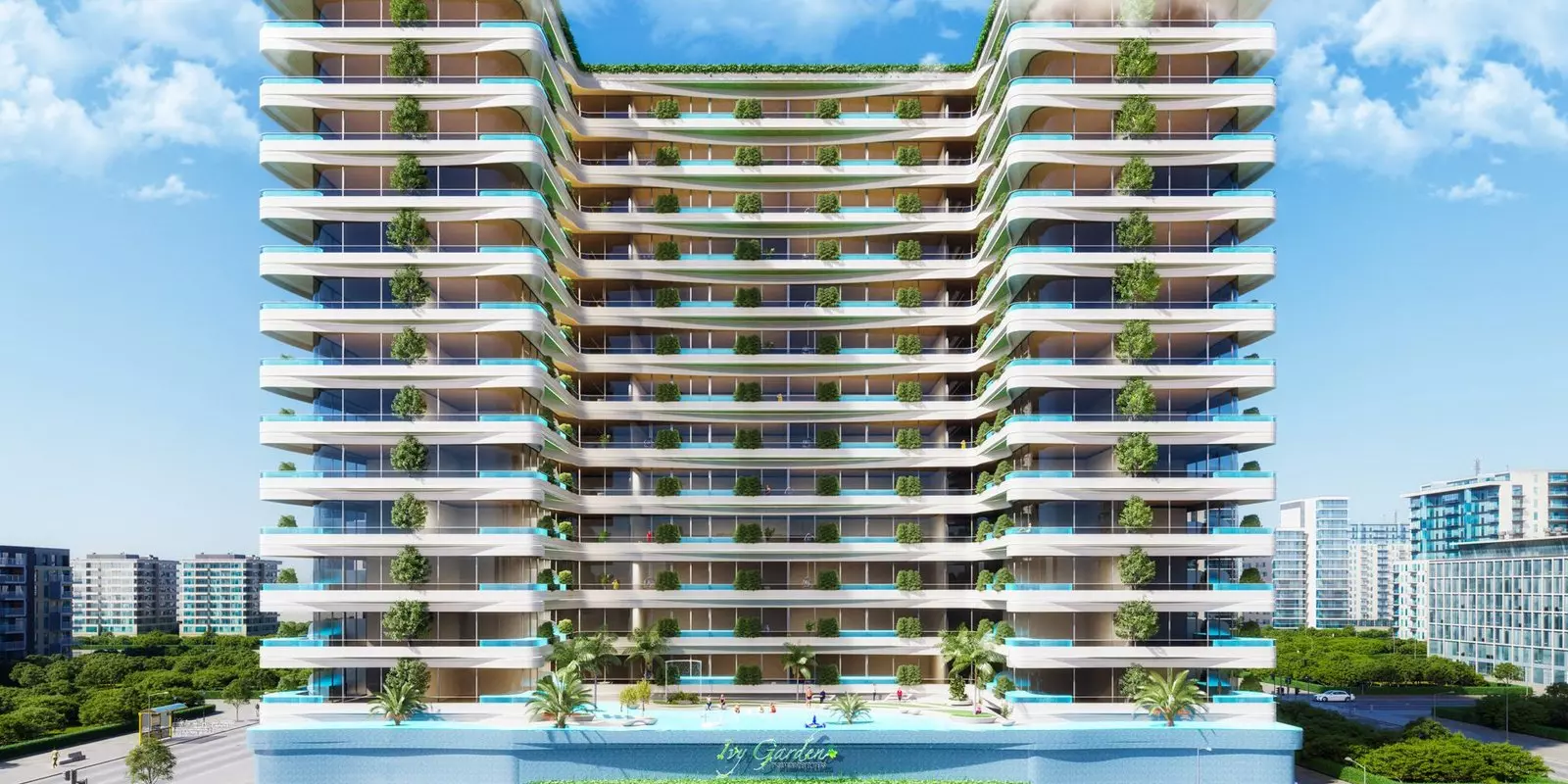
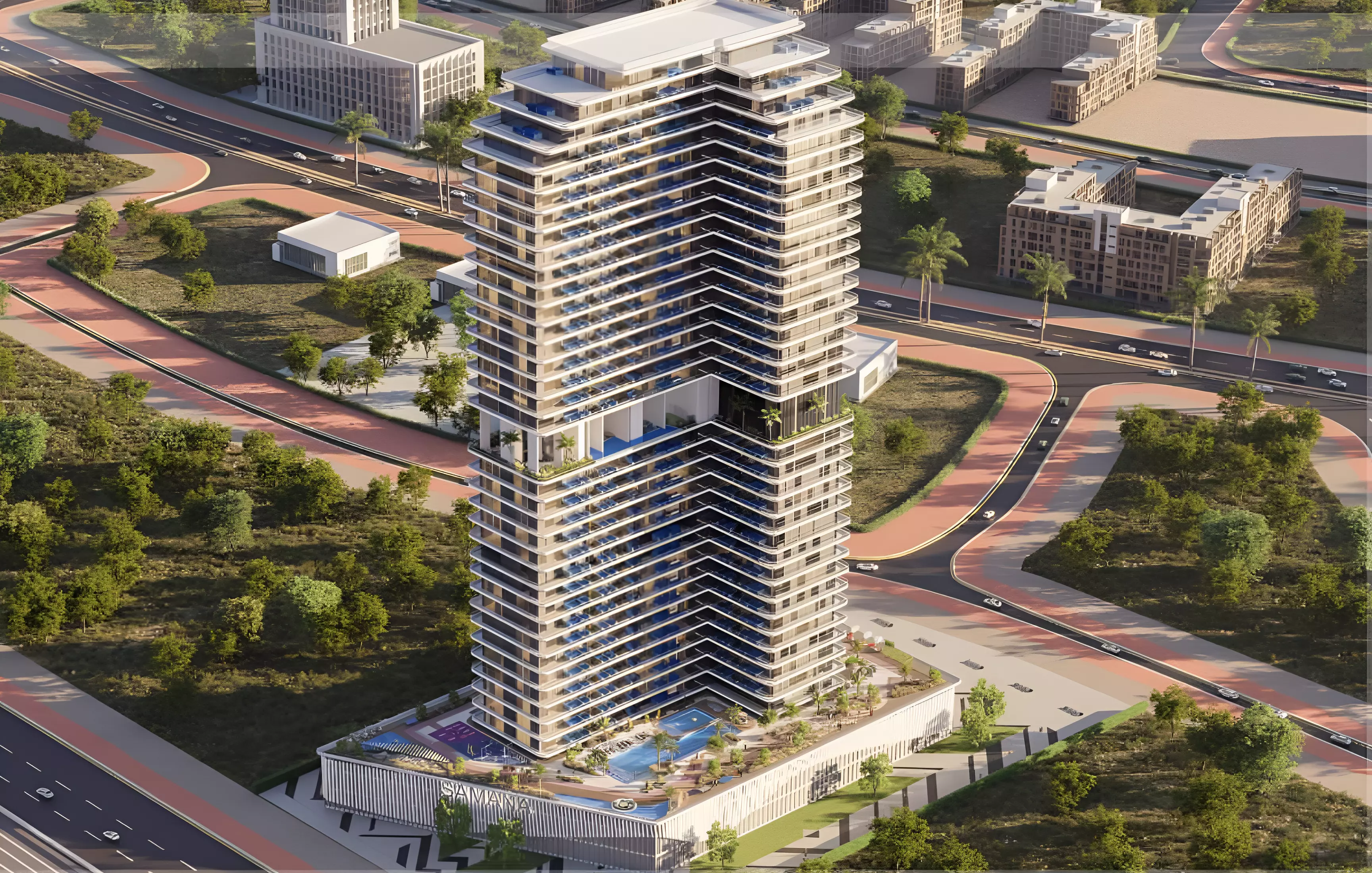
Notable recurring clusters within DLRC include the Samana group (Samana Ivy Gardens, Samana Ibiza, Samana Avenue), the Imtiaz Cove series, and the Verdania phases. Newer projects like Reef 1000 and Weybridge Gardens add to what is already an inventory defined largely by multi-phase developer commitments.
Where AED 660K Sits in the Range
The median asking price in DLRC is AED 660,000. The range runs from AED 445,332 to AED 2,837,046, a spread of more than six to one. For a buyer doing initial comparisons, the median is the more useful reference point than the extremes. The spread reflects a district where entry-level and more premium-positioned projects coexist, and buyers will find substantially different product depending on which part of the range they focus on.
An Apartment Market, Almost Exclusively
| Property Type | Projects |
|---|---|
| Apartment | 41 |
| Duplex | 1 |
| Townhouse | 1 |
Apartments account for 41 of the 43 active projects in DLRC. The single duplex and single townhouse are marginal exceptions in a market built around stacked residential. Buyers seeking anything other than a standard apartment will find almost no choice here. That concentration serves investors focused on yield from rental demand more than buyers looking for variety in property format.
Twenty-Two Developers Across Forty-Three Projects
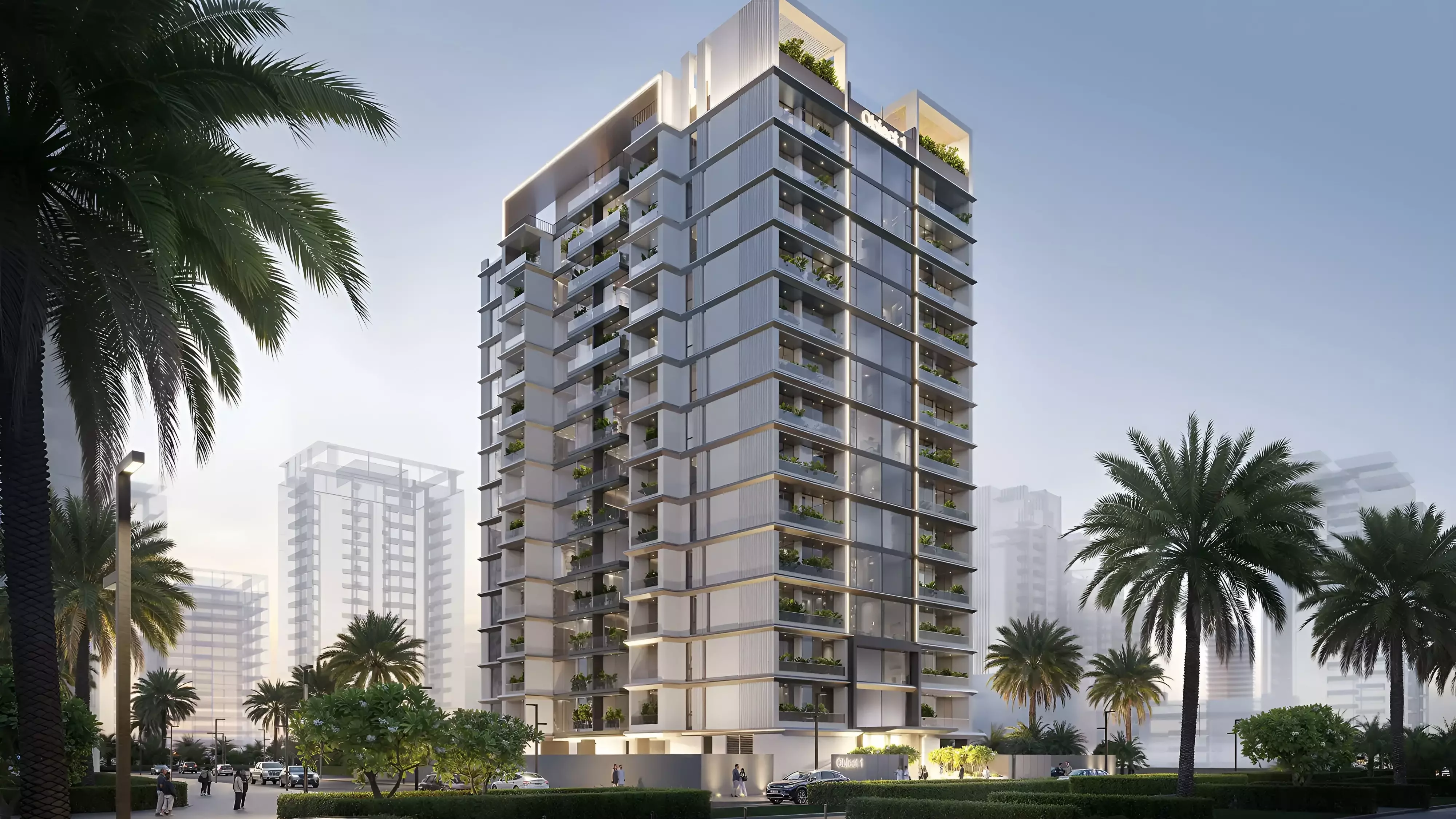
22 developers building across 43 projects signals a fragmented market with no single dominant name. Imtiaz Developments and Samana Developers carry the most visible footprints, each active across multiple sequential phases within DLRC. The broader field includes LEOS International, Object 1, AG Properties, Reef Luxury Development, Peace Homes Group, and 16 others. That fragmentation means build quality and delivery track records will differ across the district. With no one developer setting a consistent standard for the whole area, project-level due diligence on each developer's history is more important here than in zones where a single large developer anchors buyer expectations.
A Delivery Window Stretching to 2030
The earliest recorded completion in DLRC is December 2024. Projects dated to that period may already be complete or near final handover; buyers should confirm current construction and registration status before committing. The latest completion on record runs to May 2030. Buyers entering on the newest launches face a wait of close to four years. That range reflects a district that has absorbed off-plan launches across several successive cycles rather than delivering in a single coordinated wave.
10% Down, With Nearly Half Offering Post-Handover Terms
The minimum recorded down payment in DLRC is 10%, a low entry point relative to typical Dubai off-plan requirements. 20 of the 43 projects, roughly 47%, carry post-handover payment plans. Post-handover plans allow buyers to continue installment payments after taking possession, reducing the capital required before a unit starts generating income. That combination of a 10% entry and near-half the inventory structured around post-handover terms makes DLRC accessible for buyers managing cash flow carefully.
What the Amenity Mix Points To
Children's play areas, gymnasiums, landscaped gardens, indoor pools, and CCTV security top the amenity list across DLRC projects, with barbecue areas and shared pools also appearing frequently. The combination describes a community oriented toward families and long-term residents, competing on day-to-day usability rather than premium lifestyle features. Security infrastructure appearing alongside family amenities suggests the typical buyer here is seeking a practical, safe residential environment rather than a headline address.