
Projects in Mohammed Bin Rashid City
View on map
AED 6.7M
AED 1.7M
AED 1.4M
AED 993K
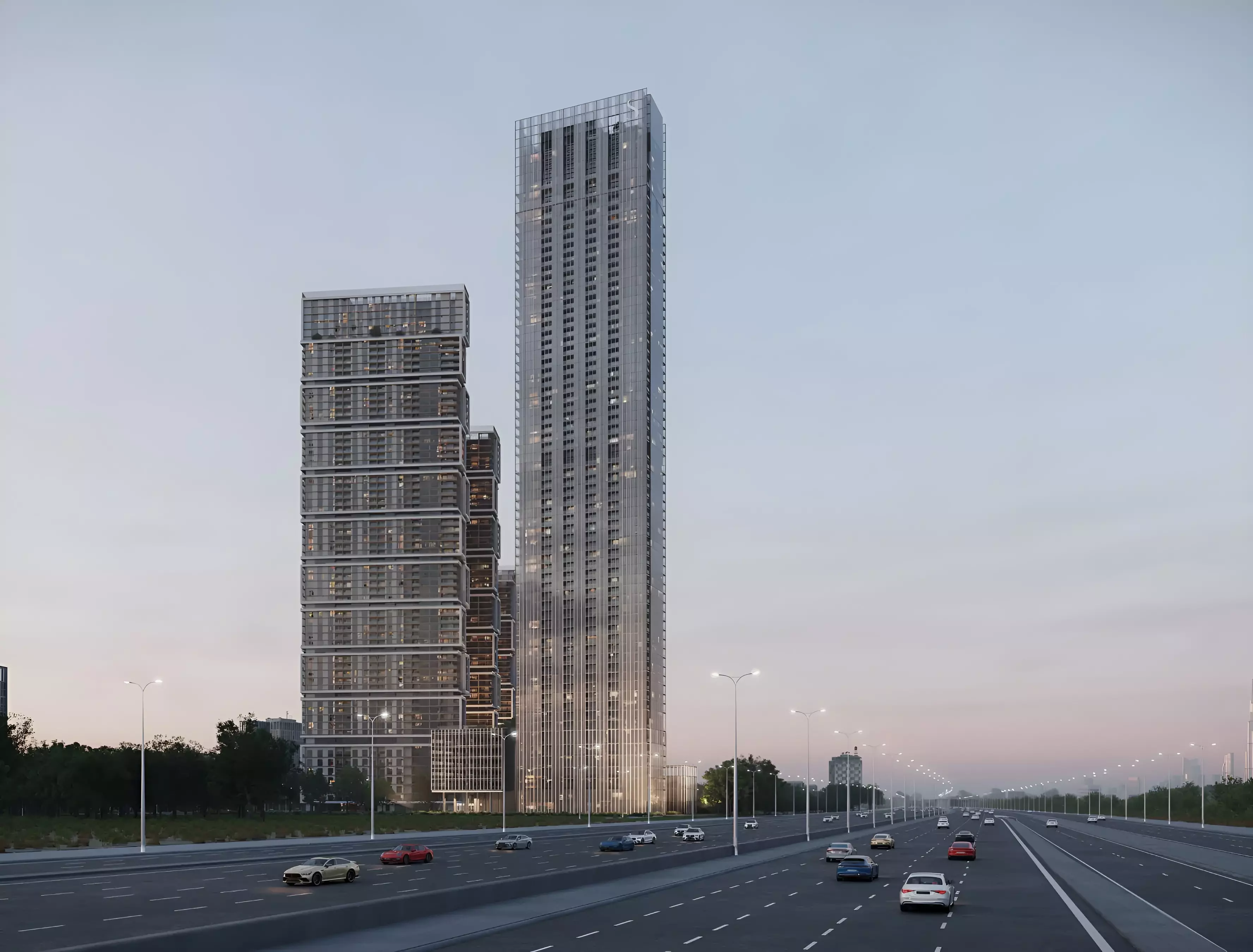
AED 1.8M
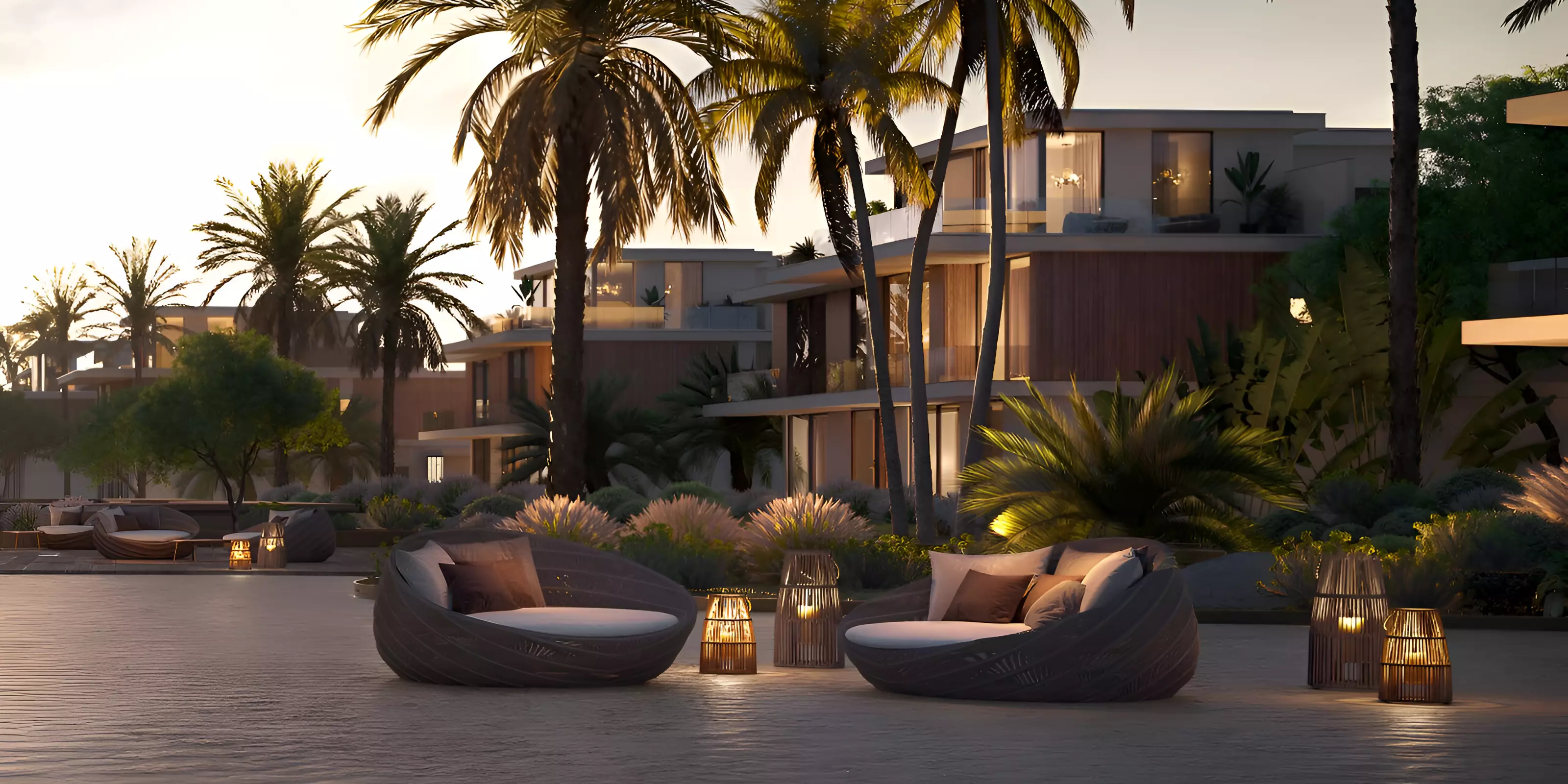
AED 13M
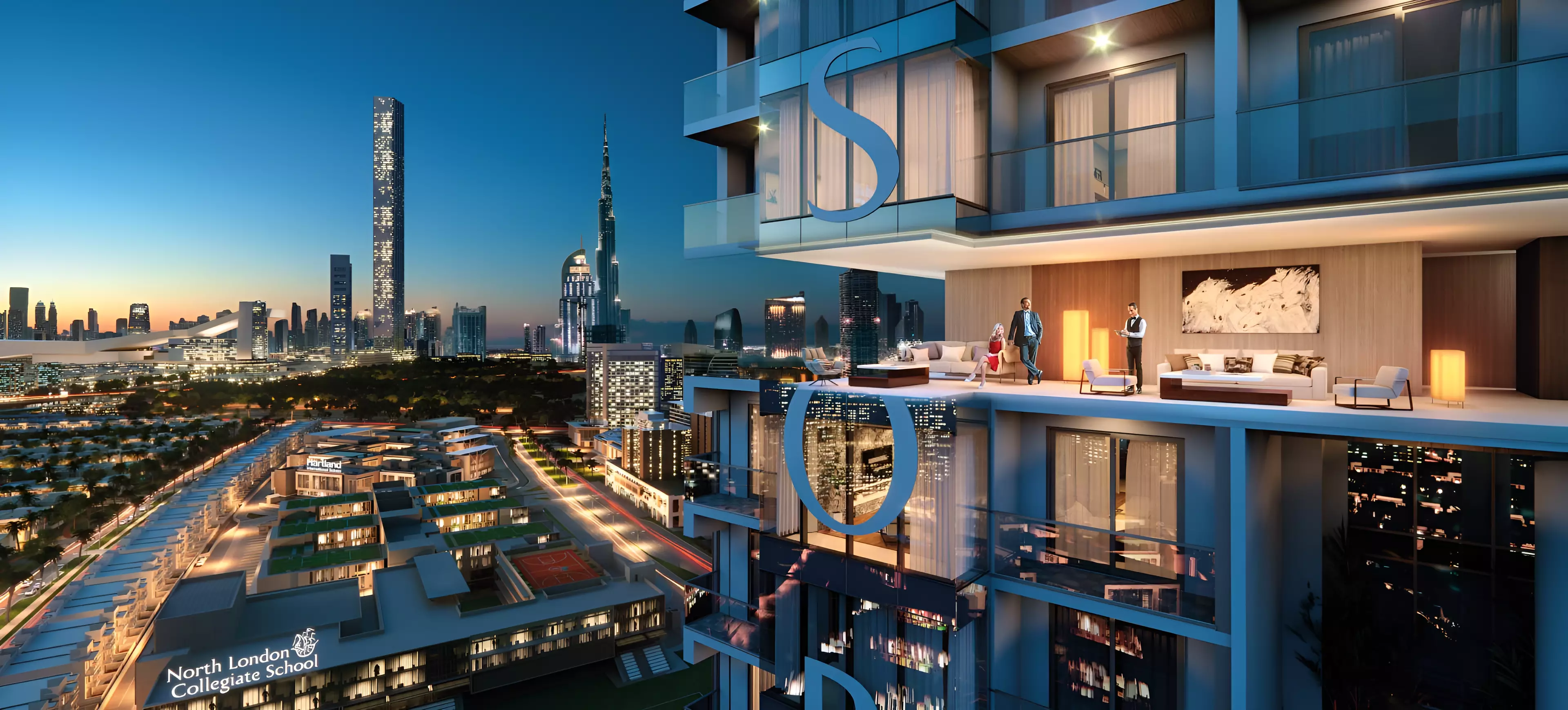
AED 1M
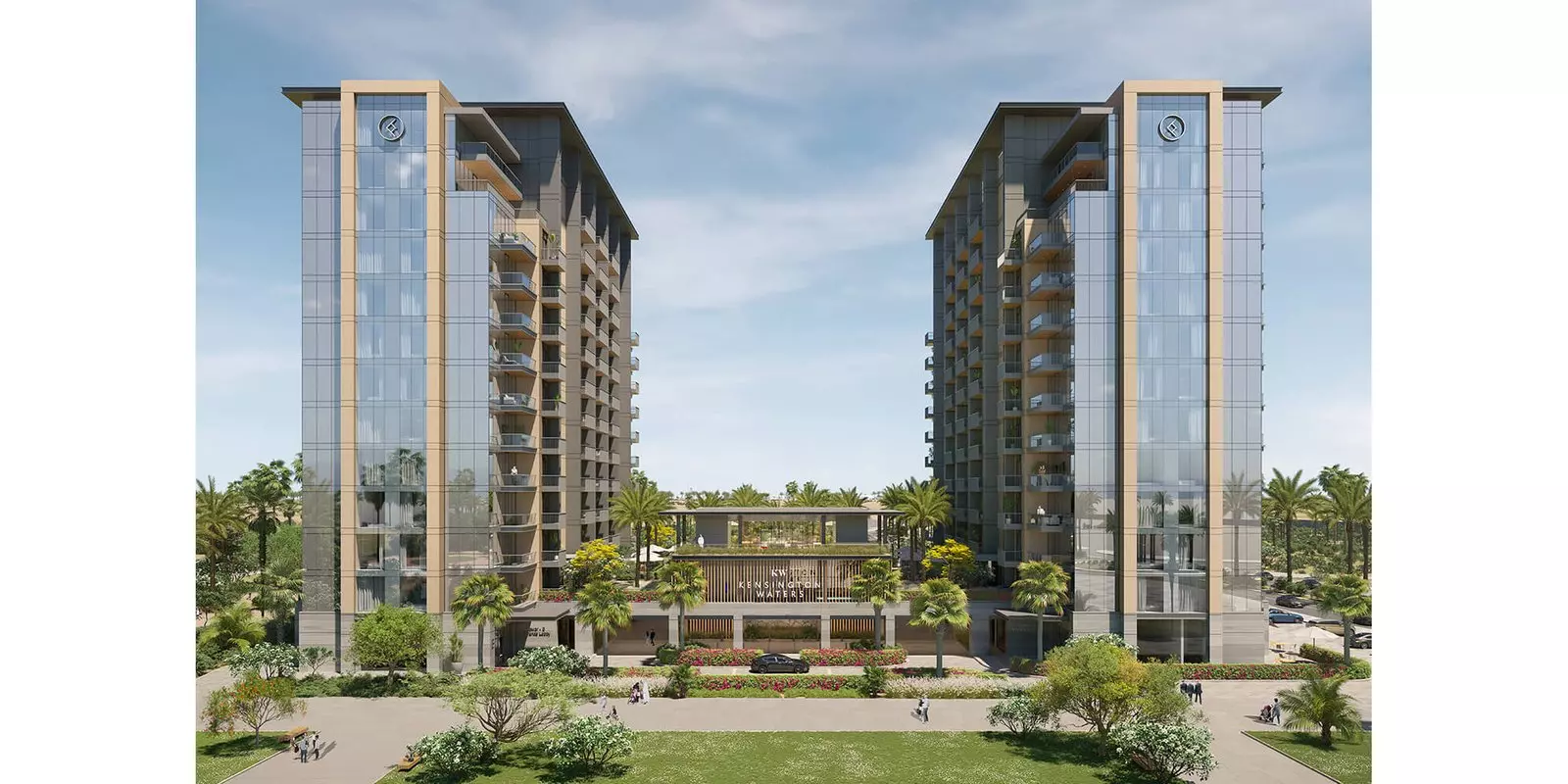
AED 810K
AED 12.8M
AED 1.6M
Nearby Projects
- New Projects in Nad Al Sheba
- New Projects in Meydan
- New Projects in Bukadra
- New Projects in Dubai Design District
- New Projects in Ras Al Khor
- New Projects in Al Barari
- New Projects in Business Bay
- New Projects in Falcon City of Wonders
- New Projects in Majan
- New Projects in Downtown Dubai
- New Projects in Liwan
- New Projects in Dubai Creek Harbour (The Lagoons)
- New Projects in City of Arabia
- New Projects in Living Legends
- New Projects in Al Jaddaf
Other Developers
- New Projects by Sobha Realty
- New Projects by Ellington
- New Projects by District One
- New Projects by MAG Property Development
- New Projects by Nakheel
- New Projects by G&Co Real Estate
- New Projects by Amwaj Development
- New Projects by Samana Developers
- New Projects by Amis properties
- New Projects by H&H Development
- New Projects by LEOS International
- New Projects by Meydan Group
- New Projects by Mira Developments
- New Projects by Mirfa IBC Developers
- New Projects by Taraf Properties
Explore by Developer in Mohammed Bin Rashid City
- Sobha Realty Projects in Mohammed Bin Rashid City
- Ellington Projects in Mohammed Bin Rashid City
- District One Projects in Mohammed Bin Rashid City
- MAG Property Development Projects in Mohammed Bin Rashid City
- Nakheel Projects in Mohammed Bin Rashid City
- G&Co Real Estate Projects in Mohammed Bin Rashid City
- Amwaj Development Projects in Mohammed Bin Rashid City
- Samana Developers Projects in Mohammed Bin Rashid City
- Amis properties Projects in Mohammed Bin Rashid City
- H&H Development Projects in Mohammed Bin Rashid City
- LEOS International Projects in Mohammed Bin Rashid City
- Swank Developments Projects in Mohammed Bin Rashid City
Where AED 2.1M Is the Midpoint: New Projects in Mohammed Bin Rashid City
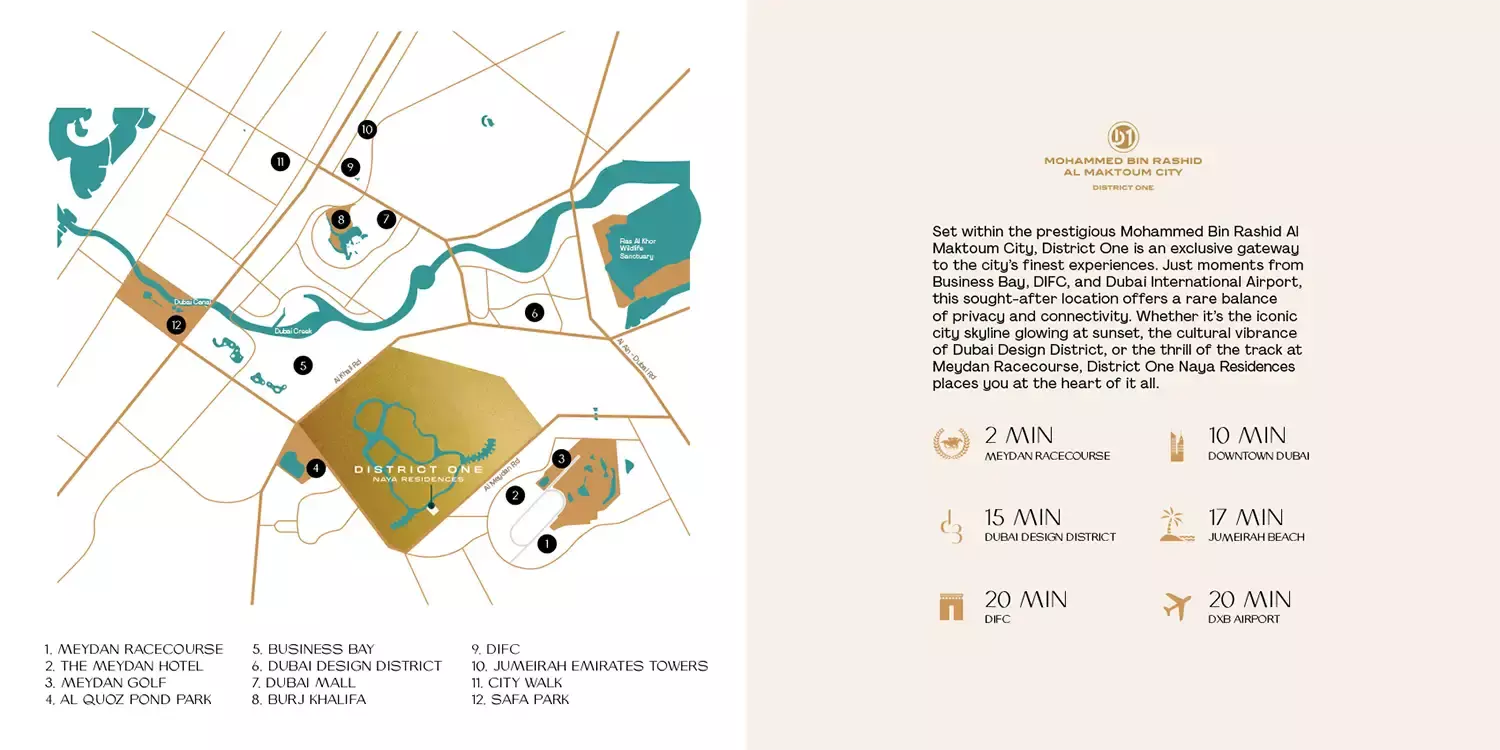
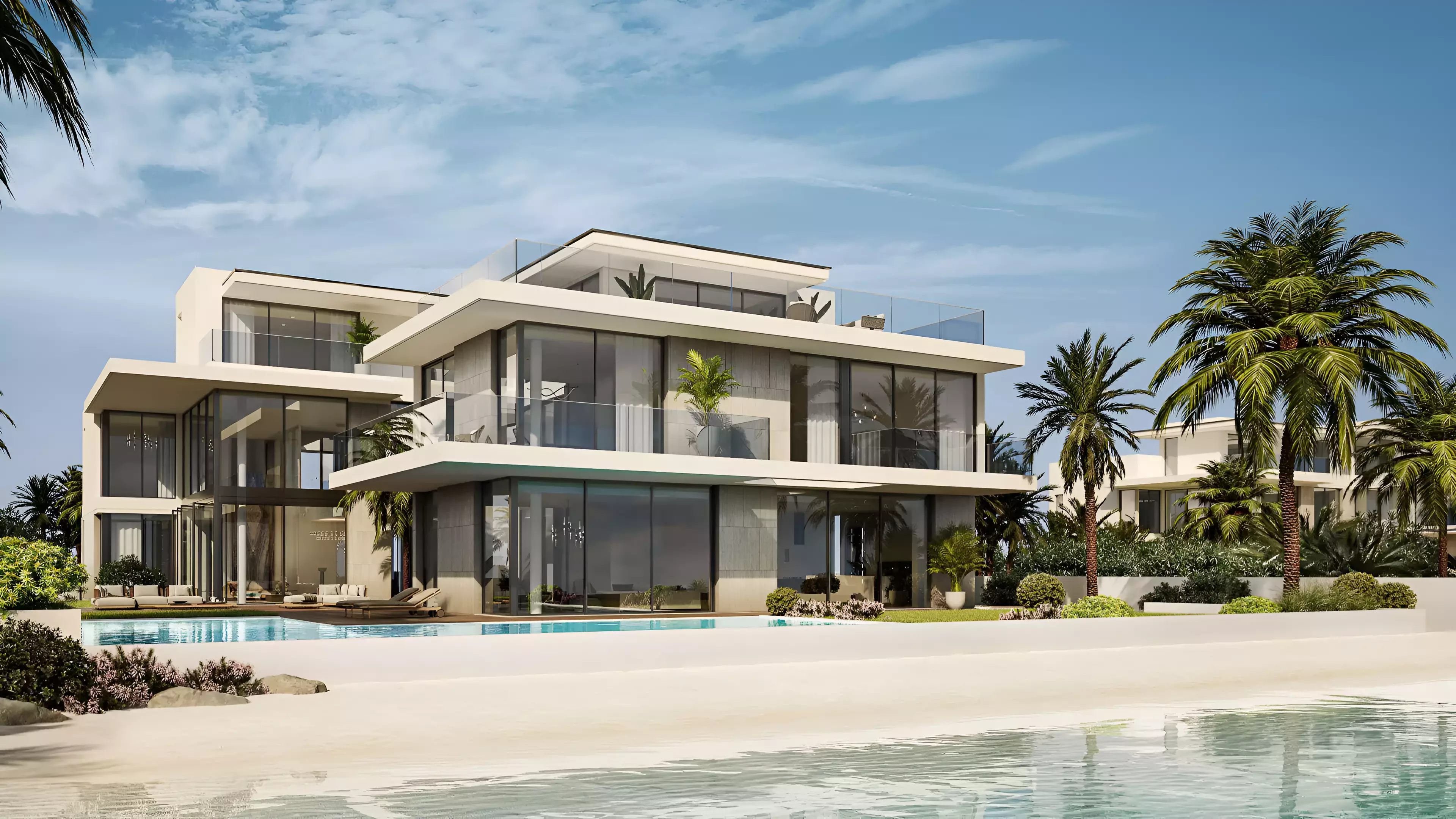
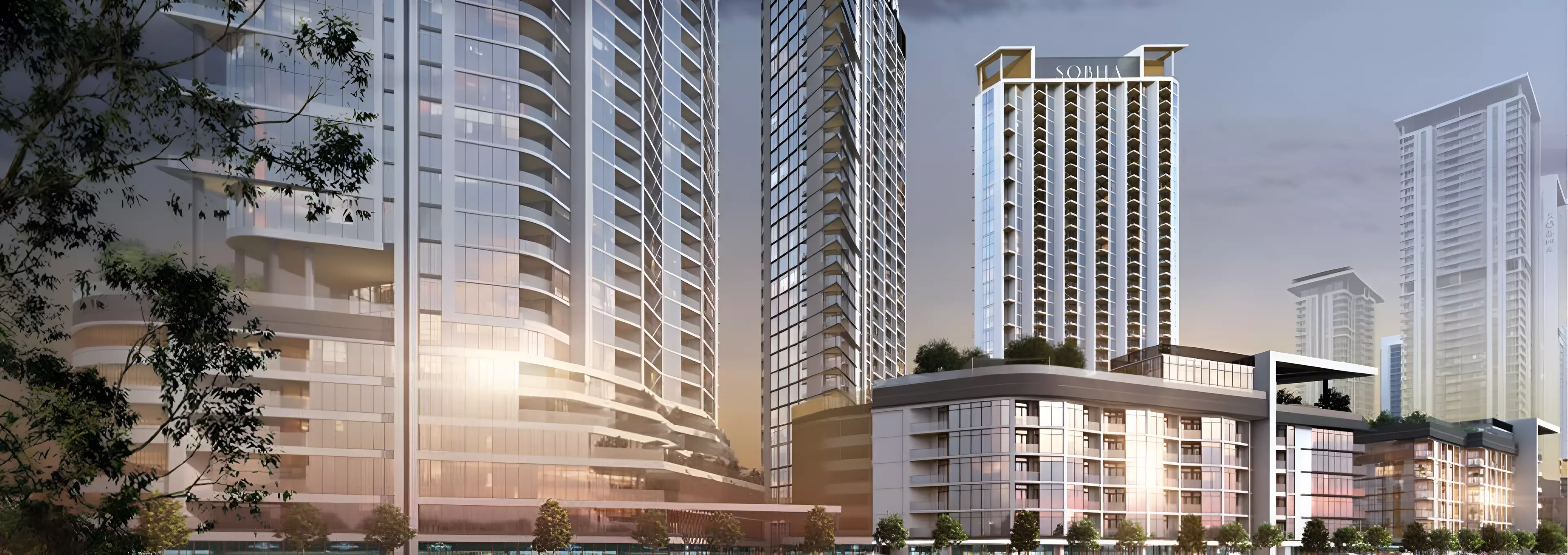
Mohammed Bin Rashid City occupies a large stretch of central Dubai, positioned between Downtown and the Meydan corridor. It is a district built from several large master-planned communities running side by side rather than a single unified zone. That structure matters for buyers: what you encounter in Sobha Hartland differs significantly from what MAG City or District One offers, yet all fall under the MBR City umbrella. With 75 active projects, this is one of Dubai's most inventory-rich districts for off-plan buyers.
The sub-communities worth knowing by name include District One, Sobha Hartland, MAG City, Eden Hills, and The Residences at District One. Each carries its own density, price level, and developer profile. Buyers who search at the district level should expect to filter further once they identify which sub-area fits their use case.
A Price Range That Spans the Full Dubai Spectrum
The median asking price across active projects sits at AED 2,191,605. That number is the most useful single figure for a buyer calibrating their position here. The range itself runs from AED 675,000 at the low end to AED 86,381,000 at the top — a spread wide enough to cover a studio apartment and a villa compound simultaneously.
That gap reflects the district's structure. The lower end captures apartment inventory in sub-communities where developers are targeting mid-market buyers. The upper end is driven by villa and penthouse product in areas like District One and Eden Hills. A median of just over AED 2.1M roughly reflects where a one- to two-bedroom apartment in a well-located project, or a smaller townhouse, sits in the current market. Buyers around that figure have real choice in this district.
Five Property Types, One District
| Type | Projects |
|---|---|
| Apartment | 42 |
| Villa | 28 |
| Townhouse | 11 |
| Duplex | 2 |
| Penthouse | 2 |
Apartments dominate at 42 projects, serving investors and first owner-occupiers who prioritise entry price and rental yield potential. Villas at 28 projects represent a substantial secondary layer, pointing to genuine end-user demand for family-scale homes in a connected community. The 11 townhouse projects bridge the gap for buyers who want outdoor space without full villa pricing. Duplex and penthouse product is limited to 4 projects combined, appealing to a narrower buyer segment seeking scale within a vertical format.
28 Developers: Recognisable Names Alongside Smaller Operators
28 developers are active across 75 projects — fewer than three projects per developer on average. In practice, the market is more concentrated than that average suggests. Sobha Realty, Ellington, MAG Property Development, and Meydan Group each carry multiple projects, while a significant share of the remaining developers are boutique operators with one or two sites.
For a buyer thinking about resale, the presence of established developers with track records in this specific district provides a reference point. The smaller operators require more due diligence on completion history and financial standing. That mix is common in a district of this scale: dominant names anchor the market structure, but they do not cover every project listed.
Handover Timing and Entry Terms
Some projects in this district have already been delivered. The earliest completion date in the data is July 2019, meaning ready-unit options exist alongside off-plan inventory. Buyers should verify directly with developers or agents whether a specific project is complete, under construction, or newly launched.
For those entering the off-plan market now, the far end of the delivery window stretches to December 2029, giving roughly a three-and-a-half year construction horizon at the outer edge.
Entry costs are accessible for the asset class. A 5% down payment is available on select projects, which sits at the low end of typical Dubai off-plan requirements. 6 projects out of 75 offer post-handover payment plans, representing around 8% of active inventory. Post-handover plans extend payment obligations beyond the handover date, which reduces upfront cash pressure during construction but extends the financial commitment into the occupation phase.
What the Amenities Say About Who Buys Here
The leading amenities across projects are children's play areas, gymnasiums, landscaped gardens, shared pools, and CCTV security. That pattern is consistent with a district attracting families and long-term residents rather than short-stay or serviced apartment buyers. The combination of security infrastructure with family-oriented programming tells you this inventory skews toward primary residence and stable long-term investment. Restaurants and barbecue areas appearing in the top amenity list reinforce a community living positioning rather than pure investment product.